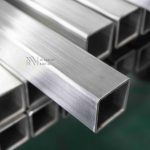

Stainless Steel Rectangular Tube

Download Catalog
  • Structural Stability

    Compared to round tubes, the square profile offers 20–30% higher torsional resistance at equal wall thickness, supporting heavier lateral loads.

  • Corrosion Resistance Across Environments

    316L stainless steel square tube withstands up to 1,500 hours of salt spray (ASTM B117) testing, while 304 achieves 1,000 hours, ensuring reliability in coastal and chemical settings.

  • Customizable Options

    Available in welded or seamless forms, with adjustable wall thickness and edge dimensions. Interior and exterior polishing can be applied for hygienic or decorative requirements.

Product Specifications

Pricing Calculation

Workshop & Manufacturing Machine

Stainless Steel Tubes Packed in Truck
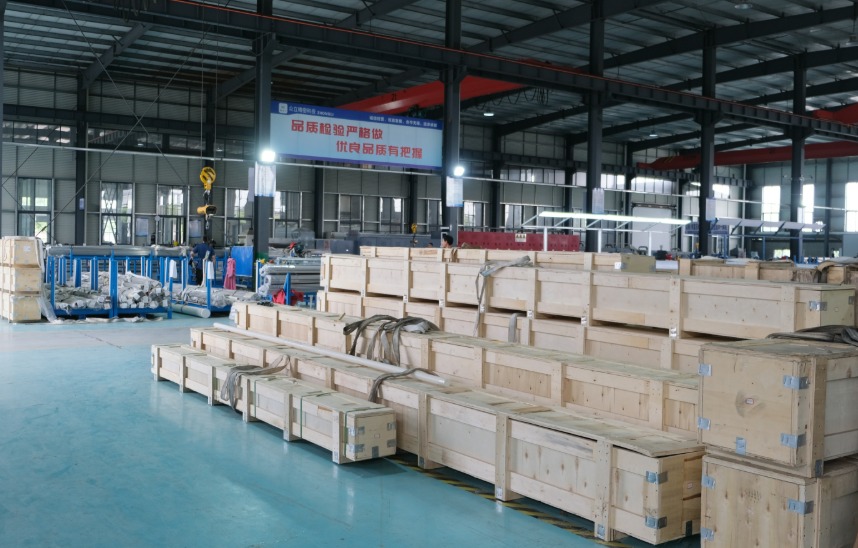
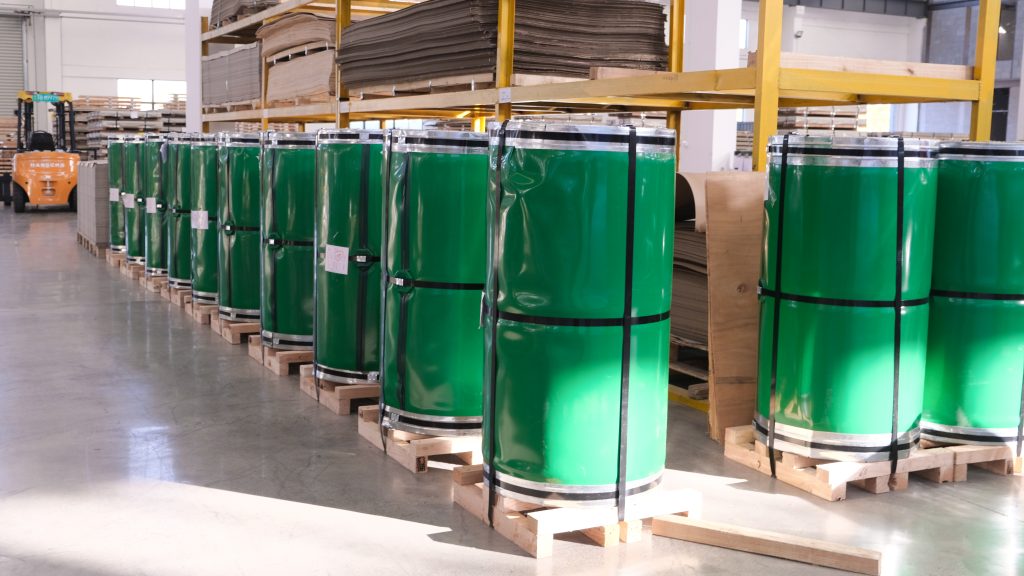
Wooden Crate Packaging in Factory
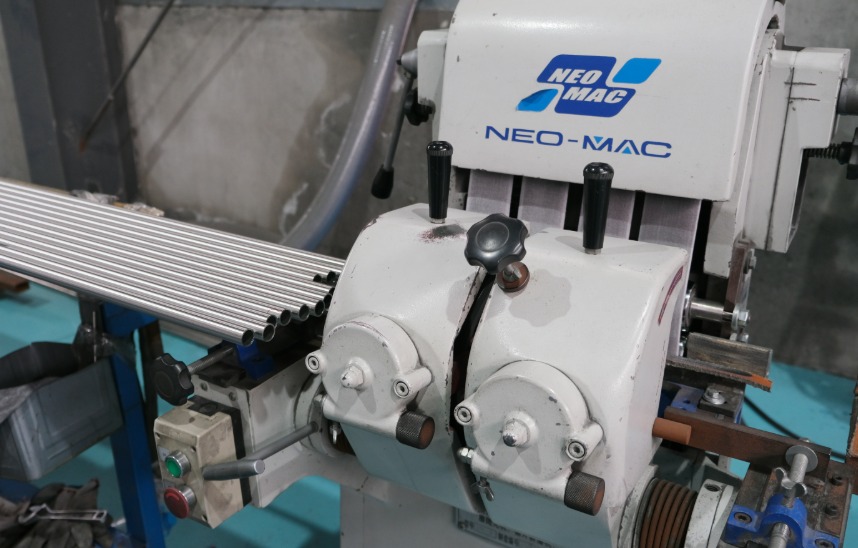
Neo-Mac Machine with Stainless Steel Tubes
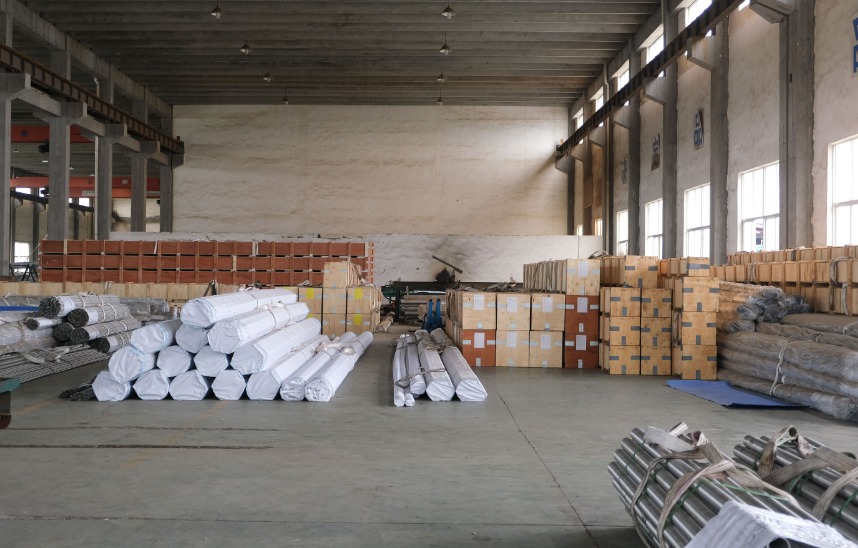
Factory Tube Packaging Process
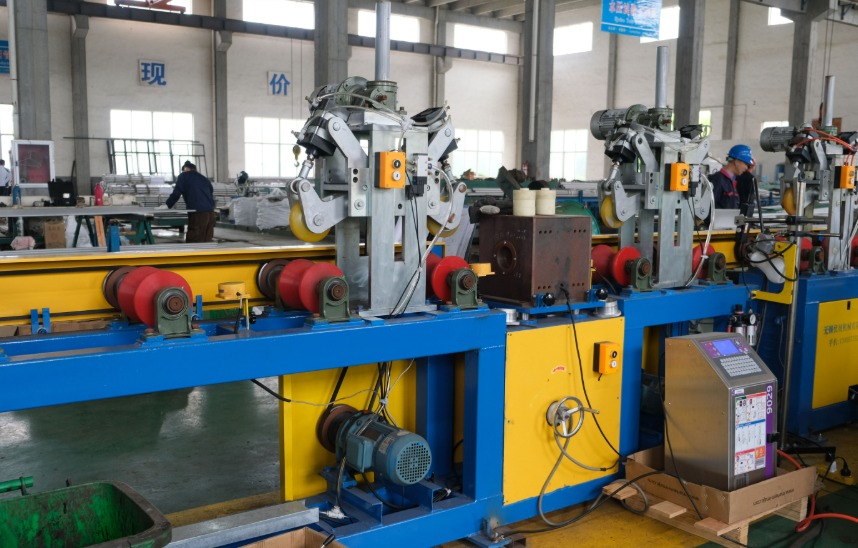
Industrial Manufacturing Equipment
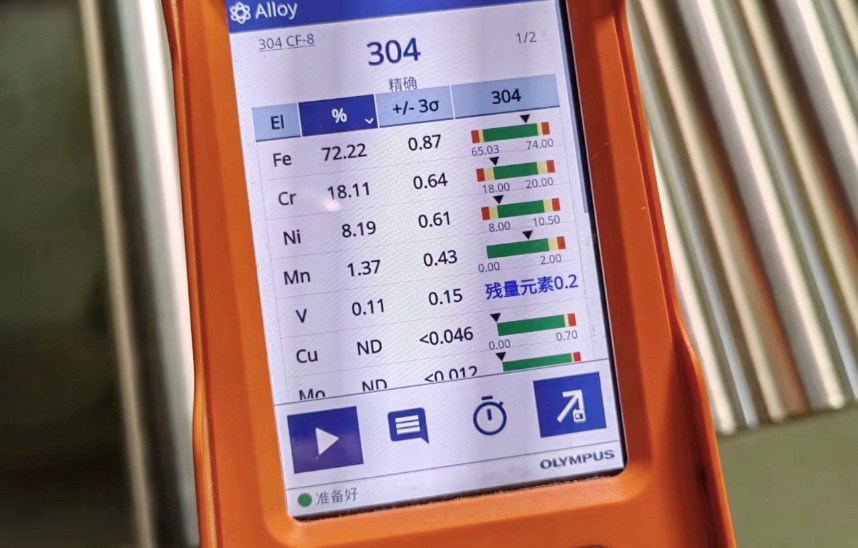
Stainless Steel Composition Analyzer

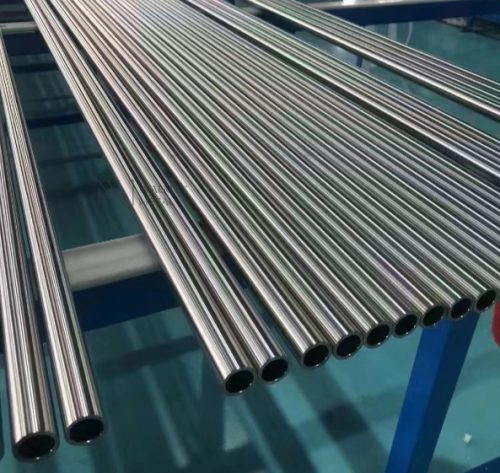
Bundled stainless steel pipes of varying diameters racked in a mill warehouse
Close-up of a stainless steel pipe end showing the weld seam and polished bore

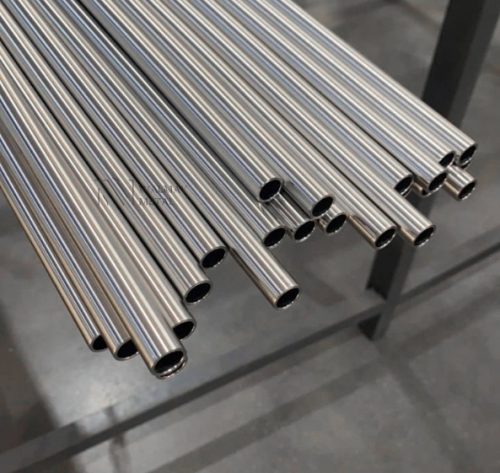
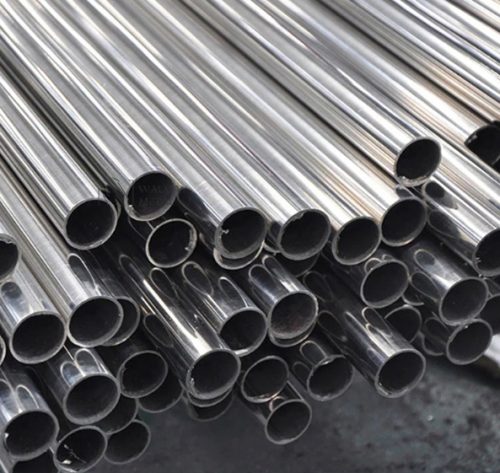
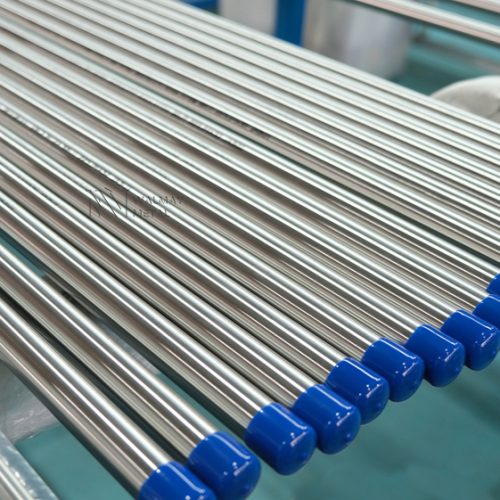
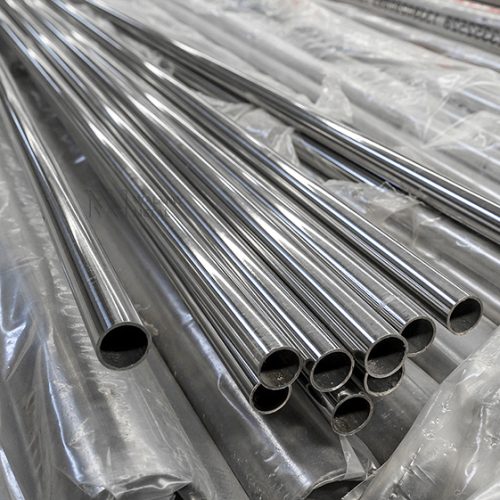
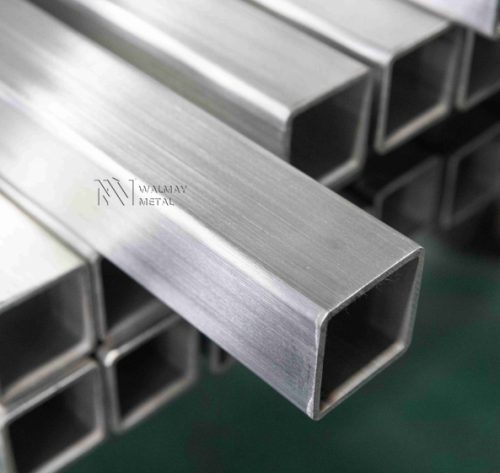
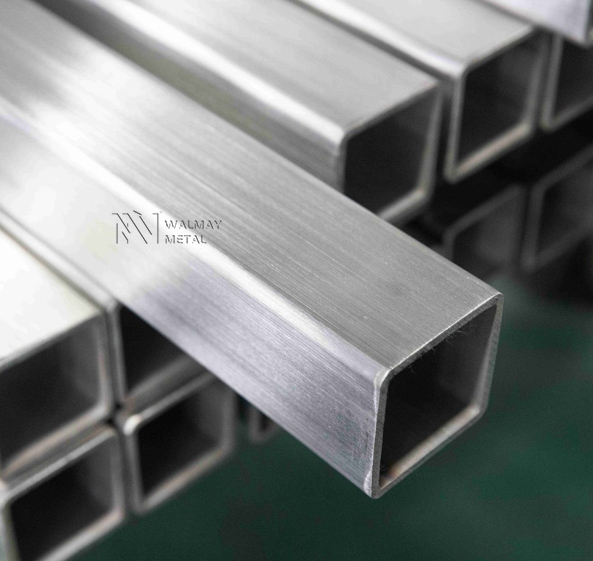
Stainless steel rectangular tube is a welded hollow section supplied to ASTM A554 for structural and architectural service, and to ASTM A778 or A269 where a pressure or mechanical specification applies. Walmay holds 304, 304L, 316 and 316L from 20x10 mm up to 400x200 mm in walls from 0.6 mm to 12 mm, in mill, 180 grit satin, hairline and No.8 mirror finish. Sections are cut to your length list, deburred and end-finished before packing, and every batch carries an EN 10204 3.1 mill test certificate.

What Rectangular Tubing Is Called

The same product carries different names depending on the region and the standard in use, which causes real confusion on international enquiries.

NameWhere it is used
Rectangular tubeNorth American commercial practice, ASTM A554
RHS, rectangular hollow sectionEurope, Australia and Asia, EN 10219 and EN 10210
HSS, hollow structural sectionNorth American structural engineering, covering square, rectangular and round
Box sectionInformal British usage
Rectangular pipeOccasionally used but technically incorrect, since pipe implies a nominal size and schedule

The distinction that matters commercially is that a rectangular hollow section is always specified by its actual outside dimensions and wall thickness, never by a nominal size and schedule. There is no schedule system for rectangular sections, so state height, width and wall in millimetres or inches.

Closed Section Against C Channel

Buyers frequently compare a rectangular hollow section with an open channel of similar weight. For most applications the closed section wins, and torsion is the reason.

PropertyRectangular tubeC channel
Torsional rigidityVery high, closed section carries shear in a continuous loopVery low, open section warps under twist
Bending about the major axisGood, material distributed to both flangesComparable at similar depth
Lateral torsional bucklingHighly resistantProne, often needs restraint
Bolting and access to the insideRequires access holes or blind fastenersOpen, easy access
Corrosion behaviourNo crevices, drains if detailed correctlyTraps water and debris in the channel
AppearanceClean on all four facesOne open face

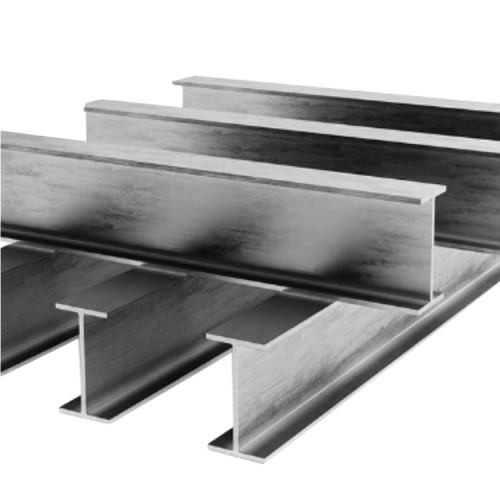
For a member carrying torsion, spanning without lateral restraint, or exposed to weather, the rectangular tube is substantially better. Choose the channel where you need to bolt through the web repeatedly or run services inside it. Walmay also supplies channel, angle and I-beam sections where the open profile is the right answer.

Bundled stainless steel pipes strapped and tagged for export shipment on a warehouse dock

Processing Before Dispatch

  • Cut to your length list, square or mitred to angle
  • Deburring and end edge finishing
  • Polishing to 180, 320 grit, hairline or mirror
  • Bending to radius on mandrel benders
  • Punching, notching and drilling to drawing
  • Pickling and passivation after any welding or hot work
  • Crating with PVC film and end protection
Get a Quote
Stainless steel pipe being cut to length on a bandsaw in a fabrication shop
Technician checking stainless steel pipe wall thickness with an ultrasonic gauge

Applications

FAQs

What is rectangular steel tubing called?
Several things, depending on where you are. In North American commercial practice it is rectangular tube, and in structural engineering it falls under HSS, hollow structural section. In Europe, Australia and much of Asia it is RHS, rectangular hollow section, covered by EN 10219 and EN 10210. British usage sometimes calls it box section. It is occasionally called rectangular pipe, which is technically wrong since pipe implies a nominal size and a schedule, and rectangular sections have neither.
Which is stronger, C channel or rectangular tubing?
For bending about the major axis at similar depth and weight the two are comparable, but the rectangular tube is far stronger in torsion and far more resistant to lateral torsional buckling, because a closed section carries shear in a continuous loop while an open channel simply warps. For a member that twists, spans without lateral restraint, or sits outdoors where a channel would trap water, the rectangular tube is the better choice. Choose the channel where you need repeated bolted access through the web.
What are three types of stainless steel tubing?
By manufacturing route: welded tube formed from strip and longitudinally welded, seamless tube pierced from a billet and drawn, and precision drawn tube given a final cold draw for tight tolerance and surface. By shape: round, square and rectangular. By specification: structural and ornamental tube to ASTM A554, mechanical tube to ASTM A269, and pressure pipe to ASTM A312. Rectangular tube is normally welded, structural and supplied to A554.
How can I tell if my stainless steel is 304 or 316?
Not with a magnet, since both are austenitic and both are essentially non-magnetic. The reliable methods are a molybdenum spot test, which uses a chemical reagent and produces a colour change only where molybdenum is present and therefore identifies 316, or a handheld XRF analyser, which reads the full composition in seconds and is what we use for incoming verification. The definitive answer for a delivered batch is the mill test certificate, matched by heat number to the marking on the material.
What sizes of rectangular tube do you stock?
From 20x10 mm up to 400x200 mm, in walls from 0.6 mm to 12 mm. The deepest stock is in the common architectural and frame sizes: 40x20, 50x25, 80x40, 100x50 and 120x60 mm in 1.5 to 3.0 mm wall. Larger or unusual sections are mill rolled with a 2 to 3 tonne minimum and a 25 to 35 day lead time.
Can rectangular tube be bent to a radius?
Yes, on a mandrel bender. The practical minimum centreline radius is around three to four times the section depth for a thin wall, and tighter radii risk buckling the compression face or dimpling the sides. Bending across the strong axis needs a larger radius than across the weak axis. Send the radius and the section and we will confirm what is achievable before committing.
Is the weld seam visible on finished tube?
It should not be. On welded stainless tube the seam is ground flush during manufacture, and on any polished finish from 180 grit upward it is polished together with the rest of the face. On mill finish tube a faint line may be visible on close inspection, which is why architectural work is specified with at least a 180 grit finish.
What is the corner radius on rectangular tube?
Typically 1.5 to 2.5 times the wall thickness, so a 2 mm wall section has an external corner radius of roughly 3 to 5 mm. It matters when a section has to sit flush against a flat plate or into a socket, so state it on the drawing if the detail is tight and we will confirm the actual radius on the stock we would ship.