904L Stainless Steel: Sheet, Pipe, Bar and Coil [CO:wp/v2/products/name]

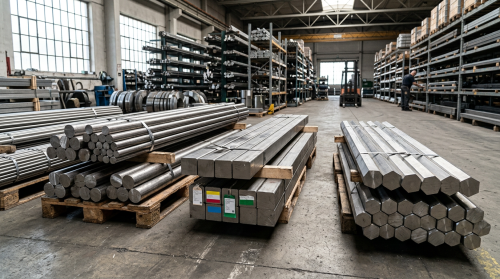
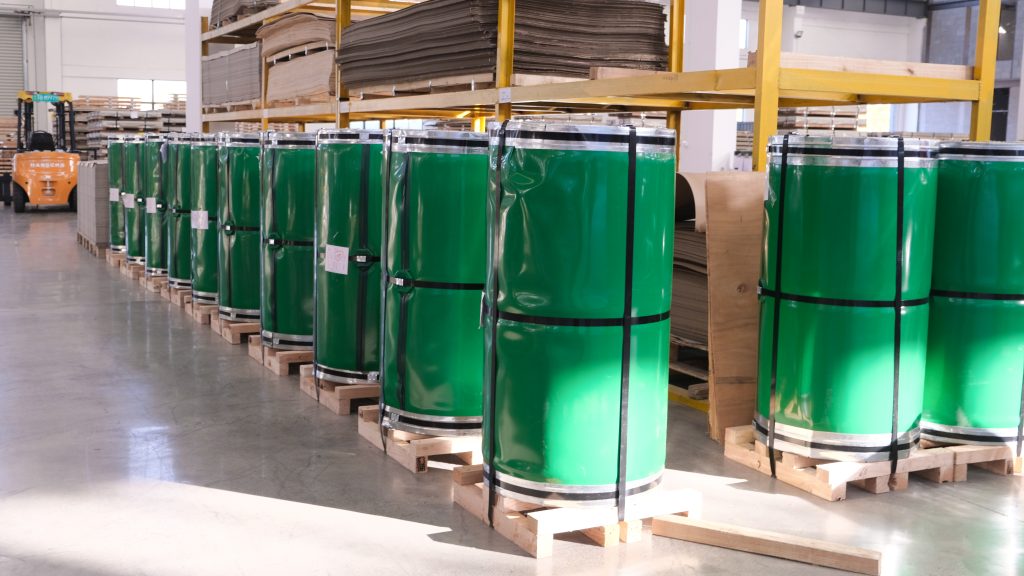
904L stainless steel is a super austenitic grade, UNS N08904 and EN 1.4539, alloyed with 19 to 23 percent chromium, 23 to 28 percent nickel, 4 to 5 percent molybdenum and 1 to 2 percent copper on a very low carbon base. That combination is designed for one job: resisting sulphuric and phosphoric acid at concentrations and temperatures where 316L is consumed. Walmay holds 904L in sheet and plate, pipe, bar, coil and drawn profiles, produced to ASTM B625, ASTM B677 or ASTM B649 with an EN 10204 3.1 certificate on every heat. [CO:wp/v2/products/description]

Filter by Form
  • SS 310 and 310S: High-Temperature Grades
  • 904L Stainless Steel: Sheet, Pipe, Bar and Coil [CO:wp/v2/products/name]
  • Plate & Sheet Supplier [CO:wp/v2/products/name]
  • Tube & Pipe
  • Bar & Rod
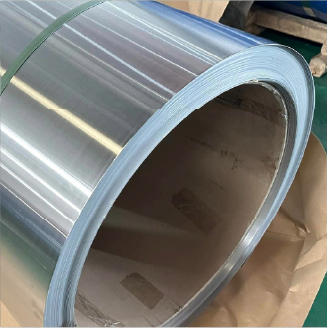
  • Coils & Coil Stock
  • Profiles
Filter by Grade Family
  • Austenitic Grades
  • Duplex Grades
  • Ferritic Grades
  • Martensitic Grades
  • Precipitation Hardening Grades
Filter by Rolling Condition
  • Cold Rolled
  • Hot Rolled

904L stainless steel is a super austenitic grade, UNS N08904 and EN 1.4539, alloyed with 19 to 23 percent chromium, 23 to 28 percent nickel, 4 to 5 percent molybdenum and 1 to 2 percent copper on a very low carbon base. That combination is designed for one job: resisting sulphuric and phosphoric acid at concentrations and temperatures where 316L is consumed. Walmay holds 904L in sheet and plate, pipe, bar, coil and drawn profiles, produced to ASTM B625, ASTM B677 or ASTM B649 with an EN 10204 3.1 certificate on every heat.

904L Products We Supply

FormRangeStandardPage
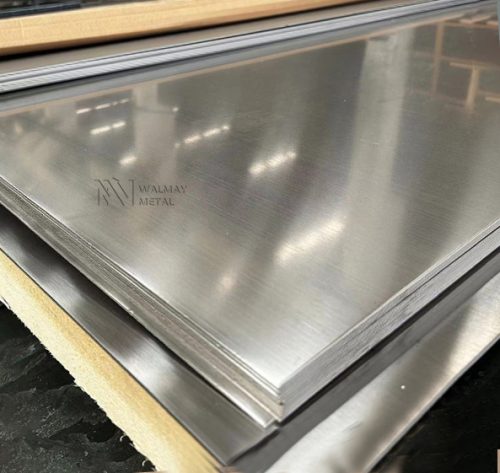
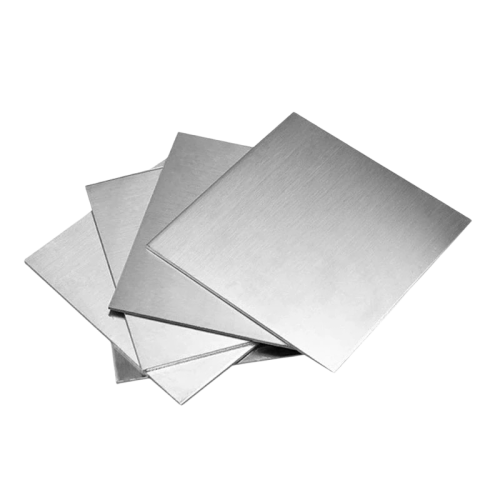
Sheet and plate1.0-40 mm thick, to 2,000 mm wideASTM B625904L sheet and plate
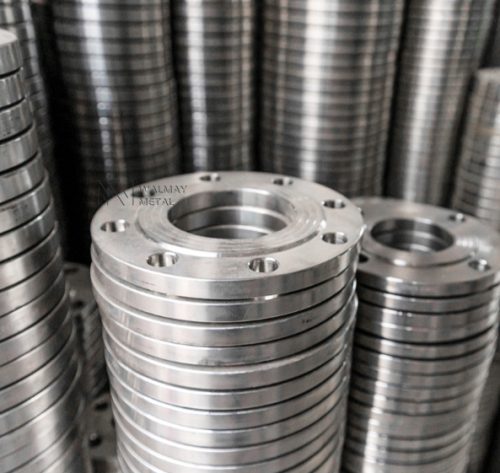
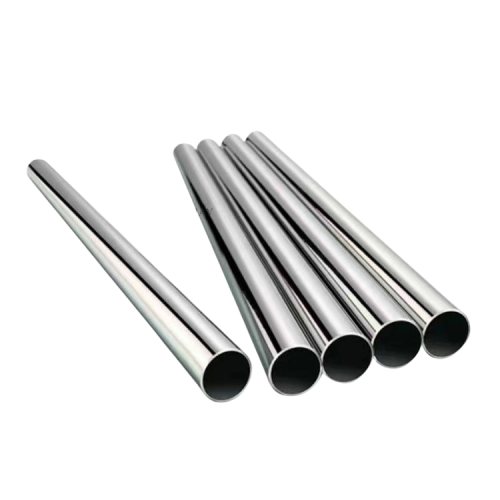
Seamless pipe and tubeNPS 1/2-10, OD 6-273 mmASTM B677904L pipe
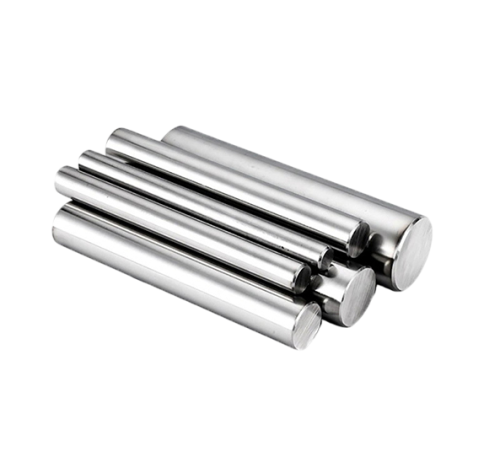
Bar6-250 mm round, square and flatASTM B649904L bar
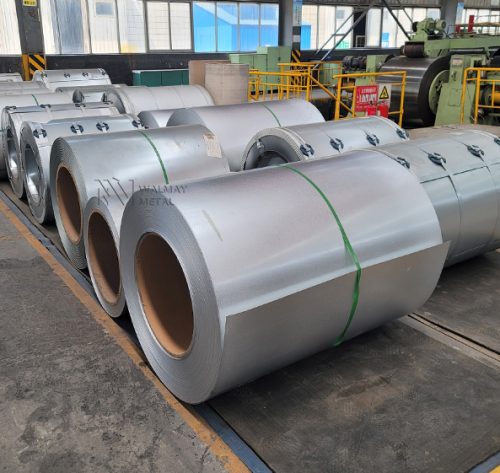
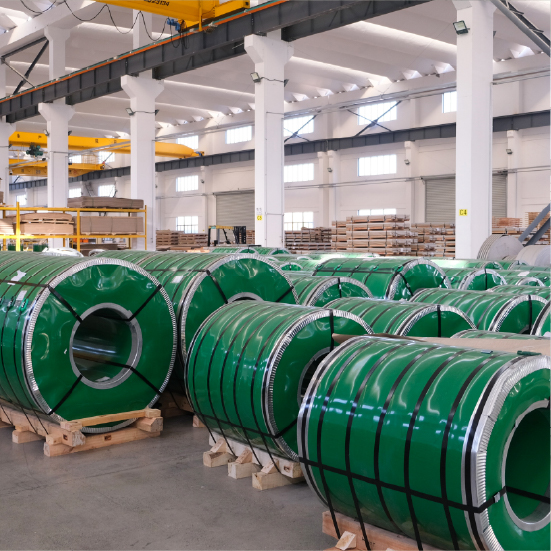
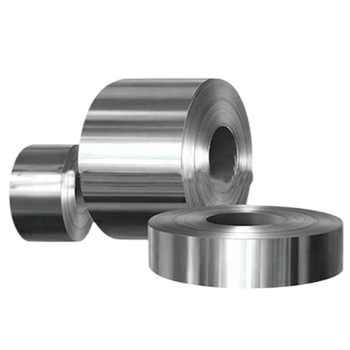
Coil and strip0.5-3.0 mm, to 1,500 mm wideASTM B625904L coil
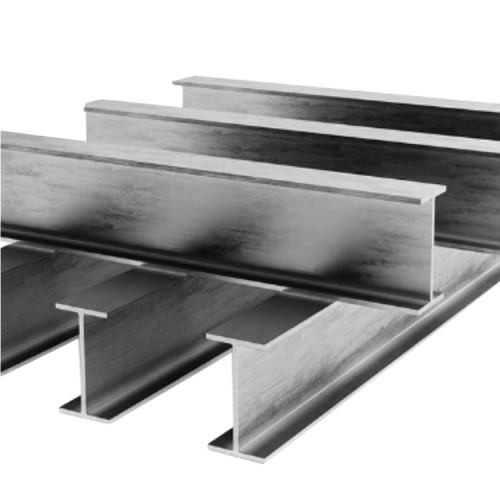
ProfilesAngle, channel and drawn sectionsEN 10088-3904L profiles

Chemical Composition

Limits to ASTM B625 for UNS N08904, in percent by mass.

ElementMinimumMaximum
Carbon-0.020
Chromium19.023.0
Nickel23.028.0
Molybdenum4.05.0
Copper1.02.0
Manganese-2.00
Silicon-1.00
Phosphorus-0.045
Sulphur-0.035
IronBalance-

Two elements do the work. Molybdenum at 4 to 5 percent, roughly double the level in 316L, resists chloride pitting and crevice attack. Copper at 1 to 2 percent is the element most grades do not have, and it is what gives 904L its resistance to sulphuric acid specifically. The very low carbon ceiling of 0.020 percent means the grade can be welded in heavy section without sensitisation.

Mechanical and Physical Properties

PropertyTypical value
Yield strength, 0.2 percent proof220 MPa minimum
Tensile strength490-690 MPa
Elongation in 50 mm35 percent minimum
Hardness90 HRB maximum
Density8.0 g/cm3
Modulus of elasticity195 GPa
Thermal conductivity at 20 C11.5 W/m.K
Coefficient of thermal expansion, 20-100 C15.3 micrometres per m.K
PRENApproximately 34
Magnetic responseNon-magnetic in the annealed condition
Maximum continuous service temperatureAbout 400 C

The strength figures are close to 316L, which surprises buyers expecting a premium grade to be stronger. 904L is not bought for strength; it is bought for corrosion resistance in acid. If the design needs strength as well, duplex is the answer instead.

When to Choose 904L Over 316L

GradeMolybdenumCopperPRENBest at
316L2.0-3.0-24-25General chloride service, marine, food
317L3.0-4.0-29-30Flue gas scrubbing, pulp bleaching
904L4.0-5.01.0-2.034Sulphuric and phosphoric acid, mixed acids
2205 duplex3.0-3.5-35Chlorides plus high mechanical stress
2507 super duplex3.0-5.0-42Seawater and high-chloride process streams

The decision usually comes down to which corrosive is dominant. Where the medium is sulphuric acid, phosphoric acid or a mixed acid with chlorides, 904L outperforms both 316L and duplex because of its copper. Where the medium is seawater or a high-chloride brine, 2507 super duplex has the higher PREN and costs less. Our note on 904L stainless steel when 316L is not enough works through the failure cases we see most often, and understanding PREN explains how the index is calculated.

Corrosion Performance

904L was developed for sulphuric acid, and its behaviour there is well characterised. It resists dilute sulphuric acid up to roughly 80 C across most of the concentration range, and it resists concentrated acid at ambient temperature, in both cases where 316L would suffer general attack. It is also resistant to phosphoric acid, acetic and formic acid, and to caustic solutions.

Its chloride performance is a genuine improvement on 316L, with a critical pitting temperature typically around 55 to 60 C against roughly 35 C for 316L, and high resistance to chloride stress corrosion cracking thanks to the high nickel content. What it does not do is tolerate high temperature: above about 400 C the grade becomes vulnerable to sigma phase precipitation, so it belongs in wet corrosive service rather than in furnaces. For high-temperature duty use 310 or 310S instead.

Get a Quote

Behaviour by Medium

Indicative resistance in the annealed condition. These are selection guides, not a substitute for testing against your actual process stream, which may contain oxidising contaminants or abrasive solids that change the outcome.

Medium316L904L
Sulphuric acid, under 10 percent, ambientAttackedResistant
Sulphuric acid, 10-60 percent, to 80 CRapid attackResistant
Sulphuric acid, over 90 percent, ambientAttackedResistant
Phosphoric acid, to 85 percent, hotMarginalResistant
Acetic and formic acidResistantResistant
Hydrochloric acidNot suitableNot suitable, use a nickel alloy or titanium
Nitric acidResistantResistant, but 304L is more economical
Sodium hydroxide, hotRisk of crackingResistant
Seawater, ambientPitting and crevice riskResistant
Hot chloride brine, over 60 CNot suitableMarginal, use 2507 super duplex

The pattern is consistent: 904L is the grade for acids, particularly sulphuric and phosphoric, while duplex is the grade for hot chlorides. Neither handles hydrochloric acid, and specifying either for that duty will fail.

Fabrication and Welding

904L behaves much like 316L on the shop floor, with two differences worth planning for.

  • Machining is harder. The high nickel content makes the grade gummy and prone to work hardening, so expect roughly 40 percent of the machinability of 304. Use sharp tooling, a positive rake, a slower surface speed and a heavier feed to avoid dwelling in the cut.
  • Welding needs care against hot cracking. Use TIG or MIG with a matching or over-alloyed filler, ER385 for matching or a nickel-base filler such as ERNiCrMo-3 where dilution is a concern. Keep the heat input low, use stringer beads rather than weaving, and do not preheat. Interpass temperature should stay below 150 C.

No post-weld heat treatment is normally required because of the low carbon ceiling. Pickling and passivation after welding are essential, since the heat tint along a weld is chromium depleted and will pit before the parent metal does. Full processing detail is on our fabrication page.

Applications

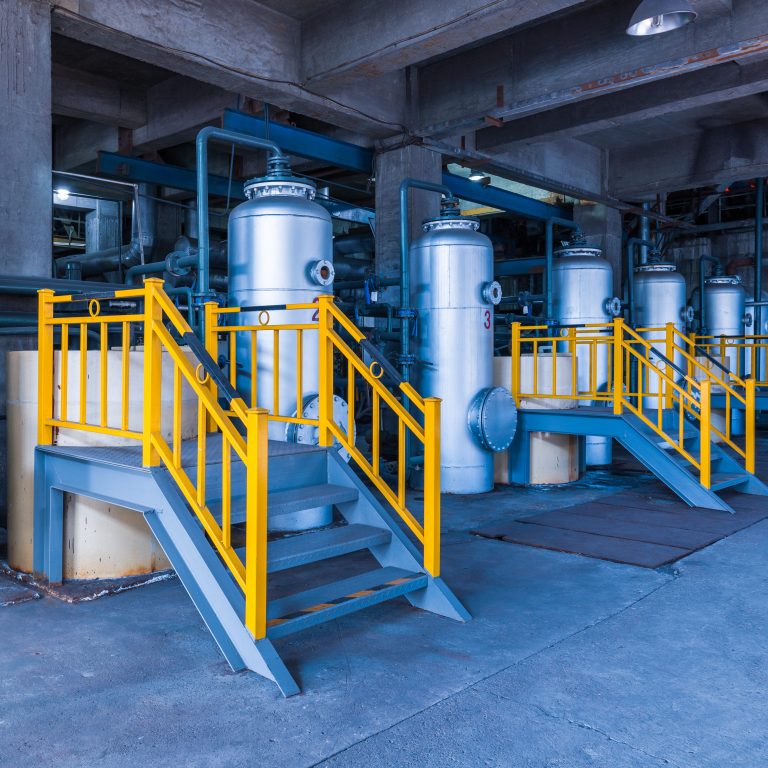
  • Sulphuric and phosphoric acid production, storage and transfer in chemical production workshops
  • Flue gas desulphurisation and scrubber internals in energy production plants
  • Pickling lines and metal finishing plant
  • Seawater and brine handling in desalination plants
  • Wet phosphoric acid and fertiliser production
  • Effluent and process streams in wastewater treatment plants
  • Pulp bleaching plant and chemical tankers
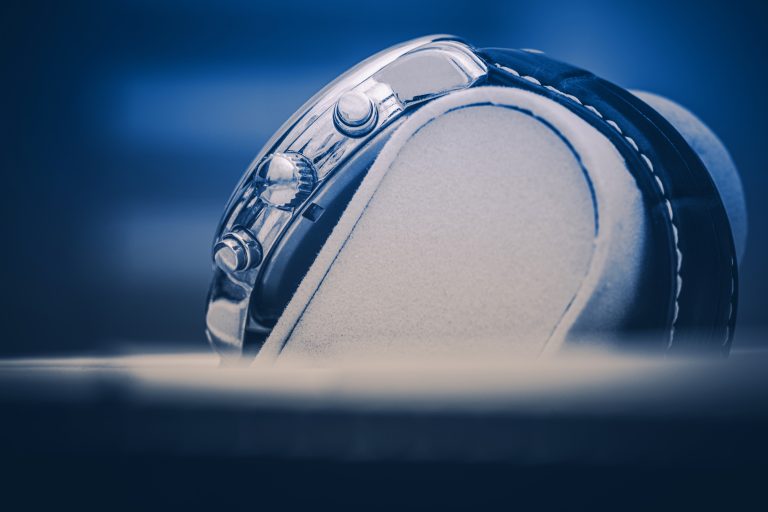
  • High-end watch cases and bracelets, where corrosion resistance and polish retention matter more than cost
Get a Quote

Equivalent Designations

SystemDesignation
UNSN08904
EN / Werkstoff1.4539, X1NiCrMoCu25-20-5
ASTM plate, sheet and stripB625
ASTM seamless pipe and tubeB677
ASTM barB649
AFNORZ2 NCDU 25-20
Common trade namesAlloy 904L, 904L, 25-20-5

Note that 904L is classified as a nickel alloy rather than a stainless steel in the ASTM system, which is why its specifications carry a B prefix instead of the A prefix used for 300 series stainless. It is still an austenitic stainless steel metallurgically.

Ordering

ItemDetail
Minimum order500 kg for stock items, 2-3 tonnes for mill-rolled sizes
Lead time from stock10-15 days to loading
Lead time mill run40-60 days, 904L is not continuously rolled
ProcessingCut to size, polished, pickled and passivated before dispatch
CertificationEN 10204 3.1 with heat number, plus corrosion test reports on request

904L carries roughly 25 percent nickel and 4.5 percent molybdenum, so its price is far more sensitive to alloy surcharge than 304 or 316L and moves with both the nickel and molybdenum markets. Send the form, size, quantity and service conditions with your destination port.

Other high-alloy families: 310 and 310S for high temperature, 2205 duplex and 2507 super duplex for chlorides under load. The full catalogue is under stainless steel products, and the company background is on our about us page.

FAQs

Which is better, 316L or 904L?
Neither is better in the abstract; they are designed for different media. In seawater, food processing and general marine service 316L is entirely adequate and costs far less. In sulphuric acid, phosphoric acid, mixed acids and hot high-chloride brines, 316L suffers general attack or pitting while 904L survives, because of its 4 to 5 percent molybdenum and its copper addition. Their mechanical properties are almost identical, so there is no strength reason to move from one to the other.
Does Rolex use 904L stainless steel?
Rolex used 904L, marketing it under the name Oystersteel, and its current watch cases use a steel in the same super austenitic family with the equivalent corrosion resistance and polish retention. The reason a watchmaker would choose it is exactly the reason a chemical plant does: high molybdenum content resists pitting from chlorides, in this case sweat and seawater, and the alloy takes and holds a mirror polish better than 316L. The material we supply is the industrial mill product to ASTM B625 rather than a watch-industry proprietary variant.
What is 904L stainless steel used for?
Primarily wet corrosive service. Sulphuric and phosphoric acid plant, pickling lines, flue gas desulphurisation scrubbers, fertiliser production, seawater and brine handling, pulp bleaching plant, chemical tankers and effluent treatment. It is also used in high-end watch cases and jewellery for its polish retention. It is not used above about 400 C, where sigma phase becomes a risk.
What is 904L stainless steel equivalent to?
UNS N08904, EN and Werkstoff 1.4539, designated X1NiCrMoCu25-20-5 in the European system and Z2 NCDU 25-20 in AFNOR. It is commonly called Alloy 904L or 25-20-5. Closely related but not identical higher-alloy grades include 1.4529 and Sanicro 28, which carry more molybdenum still.
Is 904L magnetic?
No. It is fully austenitic and non-magnetic in the annealed condition, and its high nickel content makes it more stable against forming martensite when cold worked than 304, so it remains essentially non-magnetic even after forming.
Can 904L be welded?
Yes, and the very low carbon limit of 0.020 percent means no post-weld solution anneal is normally needed. Use TIG or MIG with ER385 filler or a nickel-base filler such as ERNiCrMo-3, keep heat input low, run stringer beads without weaving, do not preheat, and hold interpass temperature under 150 C. Pickle and passivate afterwards, because heat tint along the weld will pit before the parent metal.
What temperature can 904L handle?
Continuous service up to about 400 C. Above that, sigma phase precipitation embrittles the material and reduces its corrosion resistance. For high-temperature service specify 310S, which is rated for continuous use to around 1,150 C, or 321 for intermediate temperatures.
Why is 904L so expensive?
Composition. It carries 23 to 28 percent nickel and 4 to 5 percent molybdenum against roughly 10 percent nickel and 2 to 3 percent molybdenum in 316L, plus a copper addition. Both nickel and molybdenum are volatile, so the alloy surcharge is high and moves significantly. It is also not continuously rolled, so mill runs are scheduled rather than routine, which lengthens lead times to 40 to 60 days for non-stock sizes.

Related applications

Our Recent Articles