What is 310 grade stainless steel?
An austenitic heat-resisting stainless steel with 24 to 26 percent chromium and 19 to 22 percent nickel, designated UNS S31000. The high chromium builds an adherent oxide scale that survives to about 1,150 C in continuous service, and the high nickel keeps the structure austenitic and tough. It is a heat-resisting grade rather than a corrosion-resisting one.
What is 310S stainless steel?
The low-carbon version, UNS S31008, with carbon capped at 0.08 percent instead of 0.25 percent. Everything else in the composition is identical. The lower carbon makes it weldable without significant risk of carbide precipitation, which is why almost all sheet, plate, pipe and coil is supplied as 310S rather than 310.
What is the difference between stainless steel 310 and 310S?
Carbon content only: 0.25 percent maximum in 310 against 0.08 percent maximum in 310S. The higher carbon in 310 gives slightly better creep strength at temperature, which suits heavy machined or cast parts held hot. The lower carbon in 310S gives much better weldability and far less risk of sensitisation, which is why it dominates commercial mill production.
Is 310 stainless steel good?
For high-temperature service it is one of the best standard grades available, rated for continuous use to about 1,150 C where 304 is limited to roughly 870 C. For corrosion service it is unremarkable, with a PREN of about 25, similar to 316L. It is also expensive because of its nickel content, and it should not be used in high-sulphur reducing atmospheres. Judge it strictly on whether the application is thermal.
Is 304 or 310 stainless steel better?
They are not competing for the same job. 304 is the general-purpose grade: cheaper, widely stocked, easier to machine, adequate for most corrosion duty up to about 870 C. 310 or 310S is the high-temperature grade, worth its premium only above roughly 900 C or where thermal cycling would spall the scale on 304. Below 870 C, choosing 310S is paying twice for nickel you do not need.
What is the equivalent of 310 stainless steel?
310 corresponds to UNS S31000, EN and Werkstoff 1.4841 designated X15CrNiSi25-21, JIS SUS310 and GB 2Cr25Ni20. 310S corresponds to UNS S31008, Werkstoff 1.4845 designated X8CrNi25-21, JIS SUS310S and GB 06Cr25Ni20.
Is 310S magnetic?
No. With 19 to 22 percent nickel it is fully and stably austenitic, and it stays essentially non-magnetic even after cold working, more so than 304 which can develop a slight magnetic response when formed.
Can 310S be used in cryogenic service?
Yes. Its austenitic structure has no ductile-to-brittle transition, so it remains tough down to liquid helium temperatures and is used for cryogenic vessels and equipment as well as furnace parts. The same grade covers both extremes of the temperature range.
Why is the intermittent temperature limit lower than the continuous limit?
Under steady heat the protective oxide scale forms once and remains adherent. Under thermal cycling the scale cracks and spalls on each cooldown because the metal and the oxide contract at different rates, exposing fresh metal to oxidise on the next heating. The result is faster metal loss under cycling, so the safe limit falls from about 1,150 C continuous to about 1,035 C cyclic.


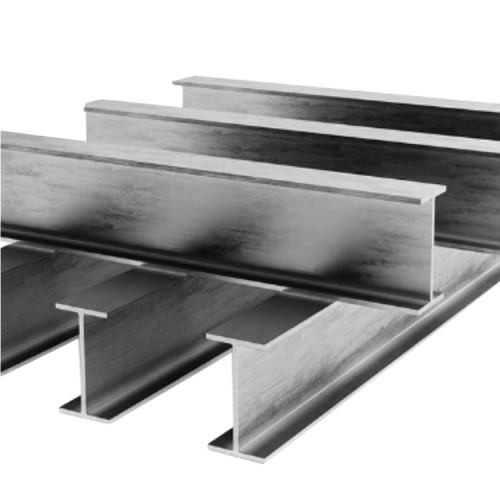

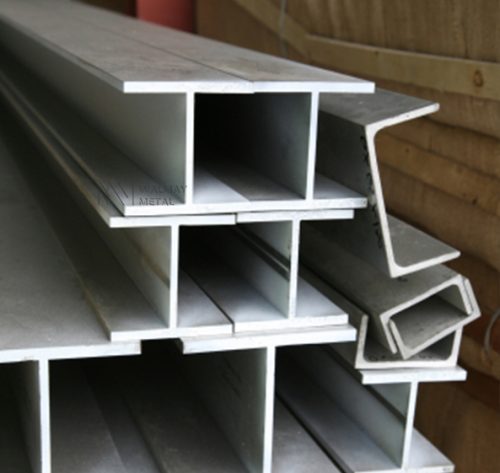 310 / 310S 310S High Temp H – Beam310S High-Temperature H-Beam (standard GB/T 11263-2017, 06Cr25Ni20 austenitic stainless steel) contains high Cr and Ni (
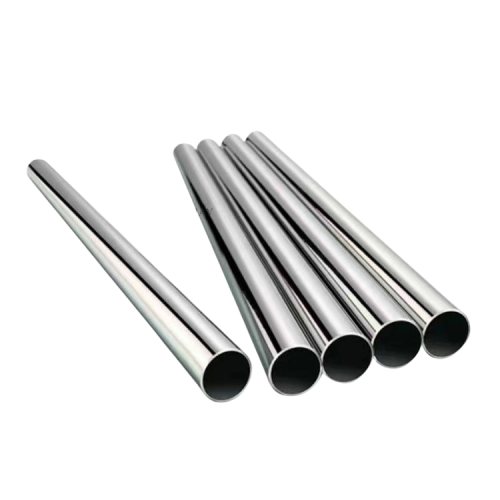
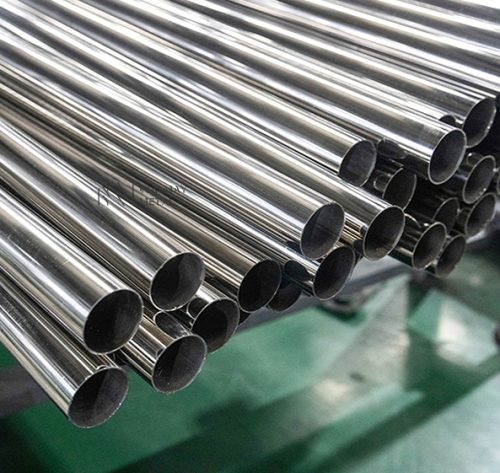 310 / 310S 310 Stainless Steel Pipe and 310S Tube
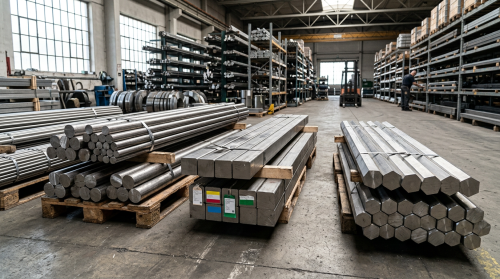
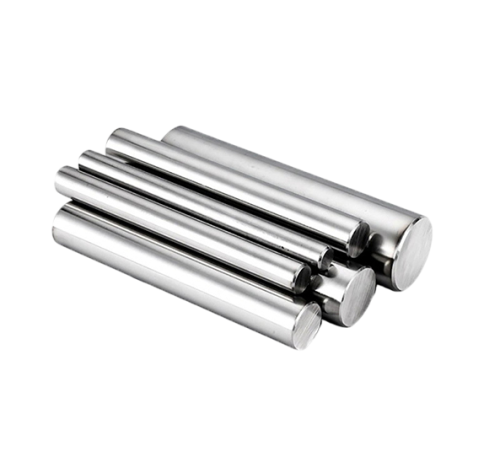
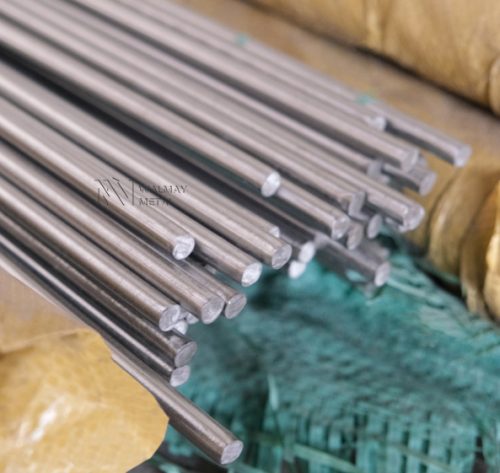 310 / 310S 310S High Temp Steel Round Bar310S round bar belongs to austenitic chromium-nickel stainless steel, corresponding to the Chinese grade 06Cr25Ni20; hig
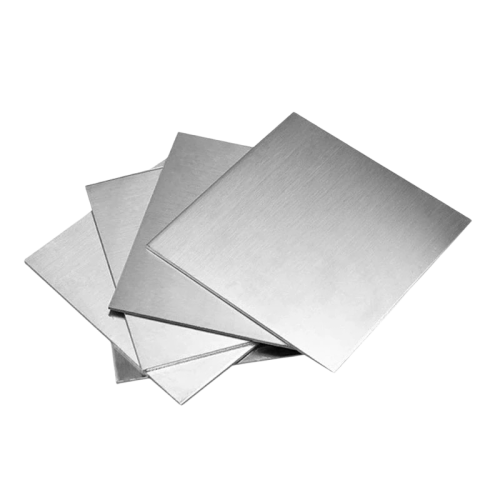
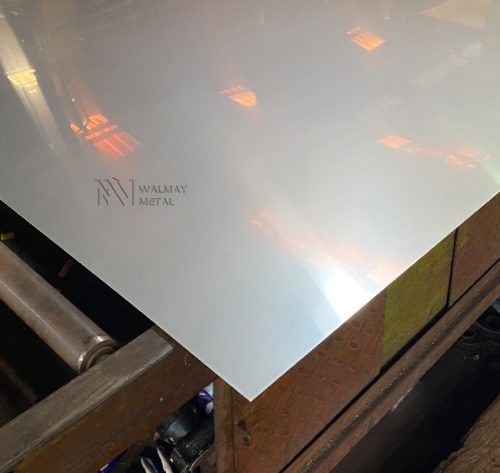 310 / 310S 310 Stainless Steel Sheet and 310S Plate
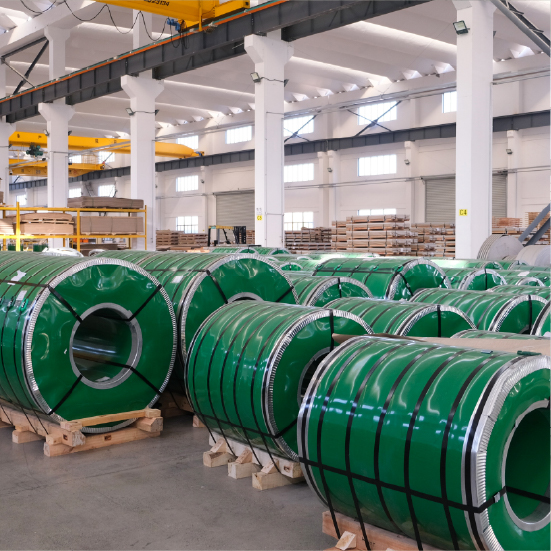
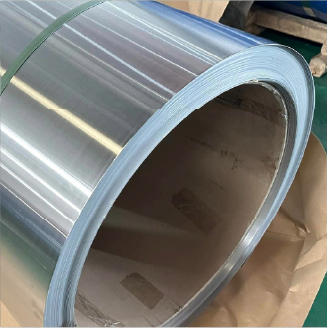
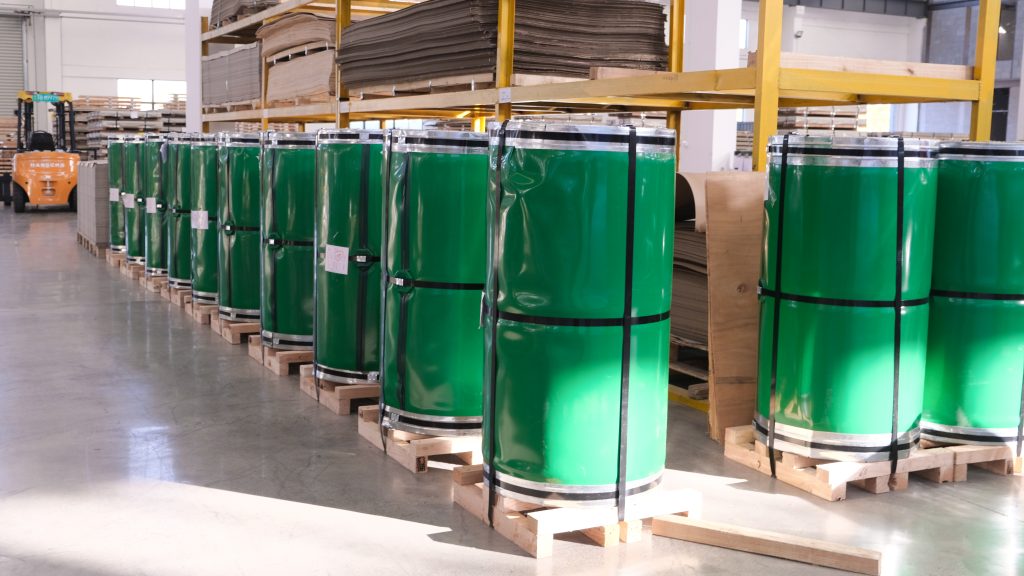
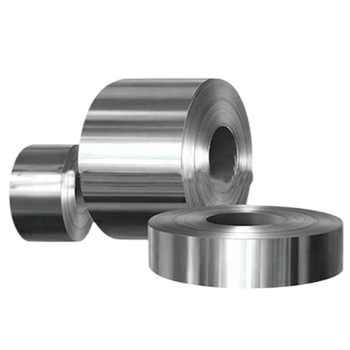
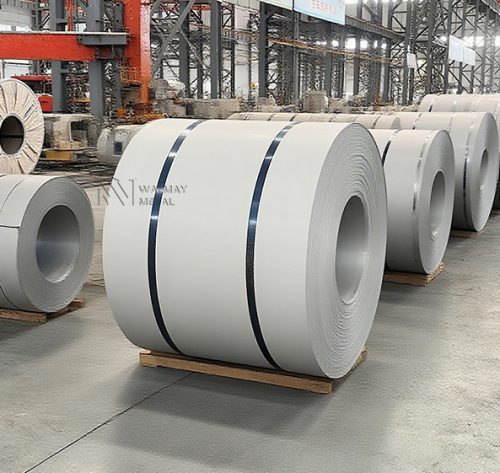 310 / 310S 310S High Temp Hot CoilExceptional High-Temperature Oxidation Resistance, Ideal for Furnace Internals and Industrial Kiln Tubes.