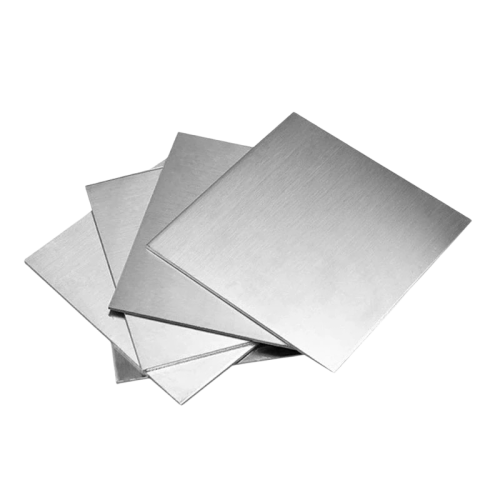
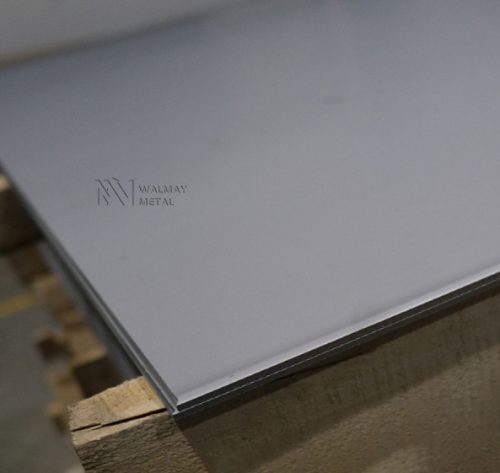
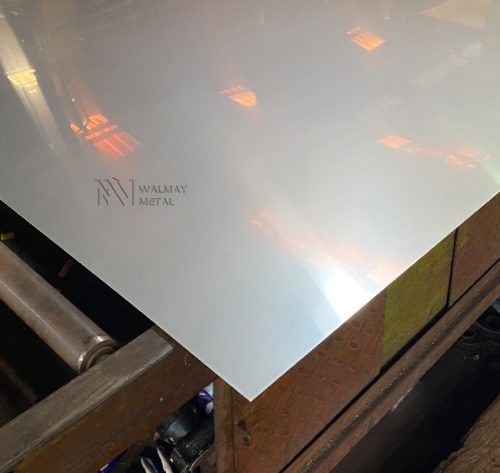
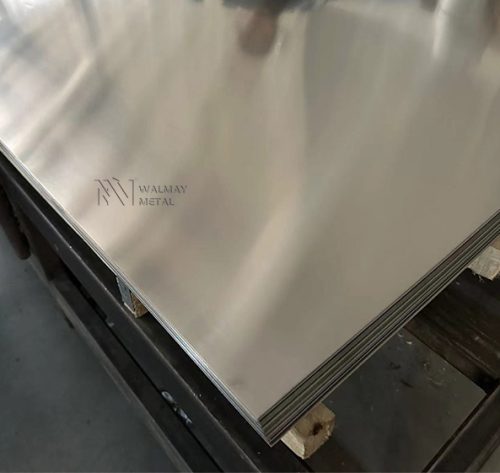
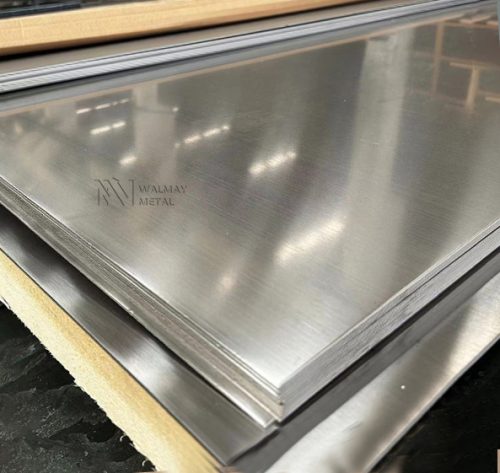
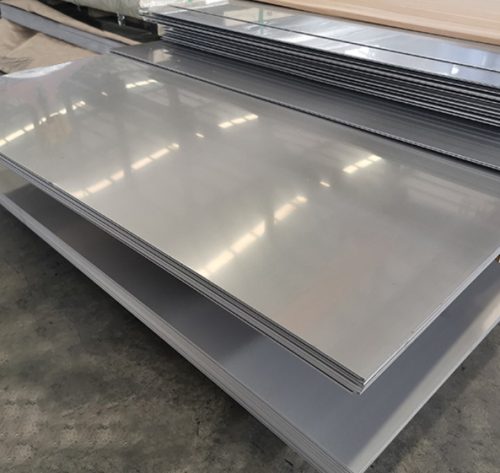
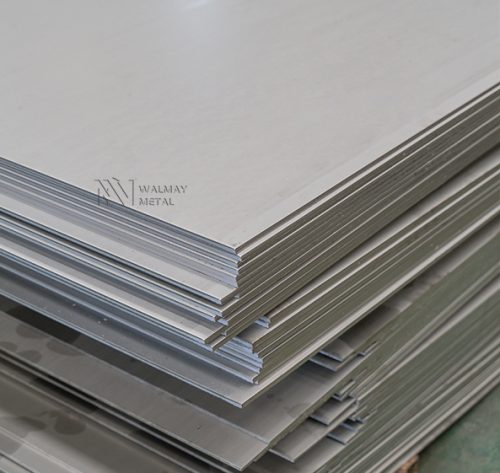
Brushed stainless steel sheet is sheet whose surface has been abraded in one direction with a belt or brush, producing the fine parallel grain known as a No.4 finish in the ASTM system or 2G and 2J in EN 10088. It is the most widely specified architectural and equipment finish in the world, because it hides fingerprints, scratches and cleaning marks in a way no reflective surface can. Walmay supplies it in 201 for cost-driven indoor work, 304 as the general standard and 316L where salt is present, from 0.5 mm to 3.0 mm thick, PVC filmed with the grain direction marked on every bundle.
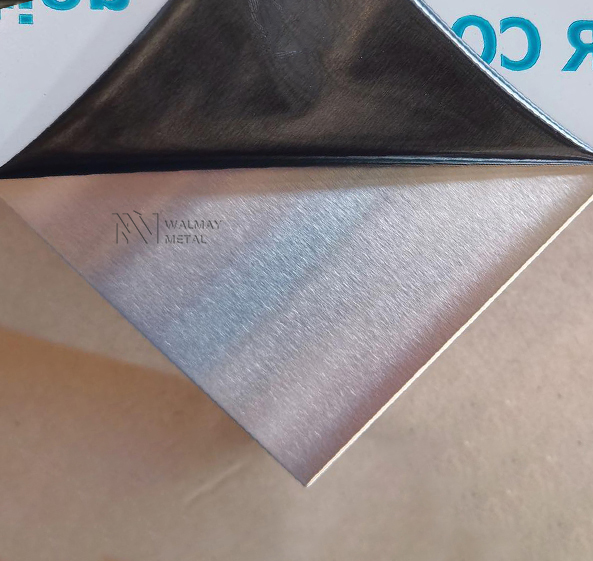
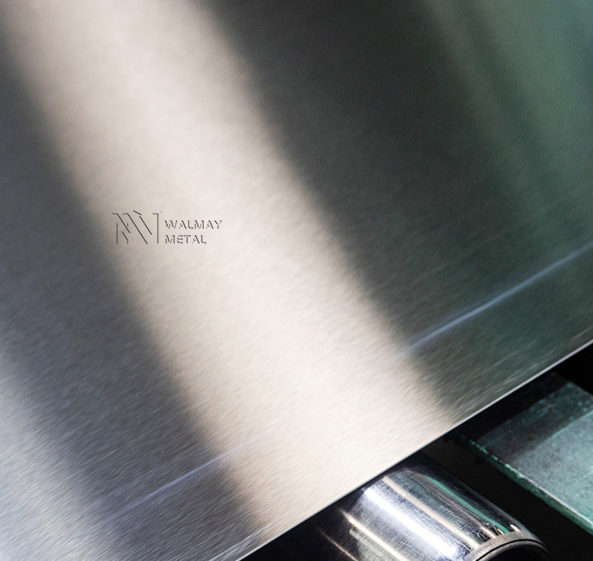
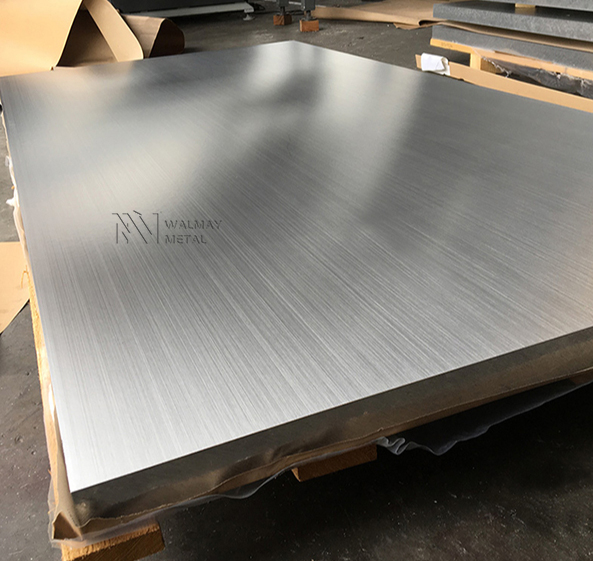
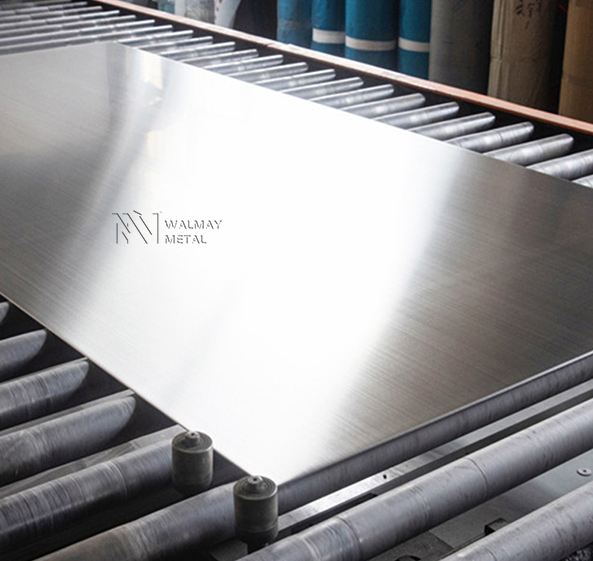
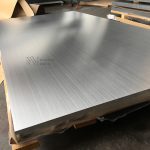
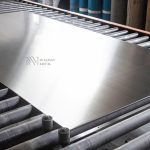
There is no such thing as brushed stainless steel as a material. It is ordinary stainless sheet, most often 304, that has been mechanically finished after rolling. The mill produces a 2B surface; a polishing line then runs abrasive belts across it to leave a controlled directional grain. Nothing is added and nothing is plated, so the finish cannot flake, peel or wear through: it is the same alloy all the way through the section.
| Designation | System | Description |
|---|---|---|
| No.3 | ASTM A480 | 100-120 grit, coarse visible grain |
| No.4 | ASTM A480 | 150-180 grit, the standard brushed finish |
| No.6 | ASTM A480 | 240 grit plus Tampico brushing, soft satin |
| HL, hairline | JIS and trade usage | Long uninterrupted fine lines, architectural |
| 2G | EN 10088-2 | Ground finish, equivalent band to No.3 and No.4 |
| 2J | EN 10088-2 | Brushed or dull polished, equivalent to No.4 |
| 2K | EN 10088-2 | Satin polish with a specified Ra ceiling |
| Finish | Grit | Typical Ra | Grain appearance | Common use |
|---|---|---|---|---|
| No.3 | 100-120 | 0.4-1.0 um | Coarse, clearly visible | Industrial equipment, hides heavy wear |
| No.4 | 150-180 | 0.2-0.5 um | Even, fine, uniform | Kitchens, appliances, lift panels |
| No.6 | 240 | 0.2-0.3 um | Very fine satin | Interior architecture |
| HL hairline | 150-240 | 0.2-0.4 um | Long continuous lines | Facades, doors, tall panels |
If a food or pharmaceutical specification cites a roughness limit, quote Ra rather than the finish name. A No.4 covers a range from 0.2 to 0.5 micrometres, and a specification calling for 0.4 micrometres maximum can be met or missed within the same designation.
| Item | Detail |
|---|---|
| Grades | 201, 304, 304L, 316L, 430 |
| Standards | ASTM A240 / A480, EN 10088-2, JIS G4305 |
| Thickness | 0.5-3.0 mm |
| Width | 1,000, 1,219, 1,500 mm |
| Length | 2,000, 2,438, 3,000 mm, or cut to size |
| Finishes | No.3, No.4, No.6, HL hairline |
| Grain | Along the length as standard, across on request |
| Protection | PVC film on the brushed face as standard |
| Certification | EN 10204 3.1 plus finish and Ra report |
The finish looks the same across grades on the day of installation. What differs is how it behaves two years later.
| Grade | Nickel | Relative price | Corrosion resistance | Where it belongs |
|---|---|---|---|---|
| 201 | 1.0-1.8 percent, manganese substituted | Lowest austenitic | Below 304, stains in damp service | Dry indoor panels, signage, furniture, cost-driven volume |
| 304 | 8.0-10.5 percent | Baseline | Good | The general default, indoors and inland outdoors |
| 316L | 10.0-14.0 percent plus 2-3 percent molybdenum | 25-40 percent above 304 | Chloride resistant | Coastal, pool halls, food plants with aggressive cleaning |
| 430 | None, ferritic | Low | Indoor only, magnetic | Appliance panels, trim |
201 substitutes manganese and nitrogen for part of the nickel, which cuts cost and price volatility but also reduces corrosion resistance and makes the material harder and less formable. It is the right choice for interior panels, furniture frames and signage in dry conditions, and the wrong choice for anything exposed to weather, condensation or chloride cleaning. Our 201 versus 304 guide sets out the trade-off in full, and 430 versus 304 covers the ferritic alternative.
| Item | Detail |
|---|---|
| Minimum order | 1 tonne, or 50 sheets in stock sizes |
| Lead time from stock | 7-12 days |
| Lead time brushed to order | 18-28 days |
| Stock sizes | 4x8 ft and 1,219x2,438 mm in 0.6-1.5 mm, 201 and 304 |
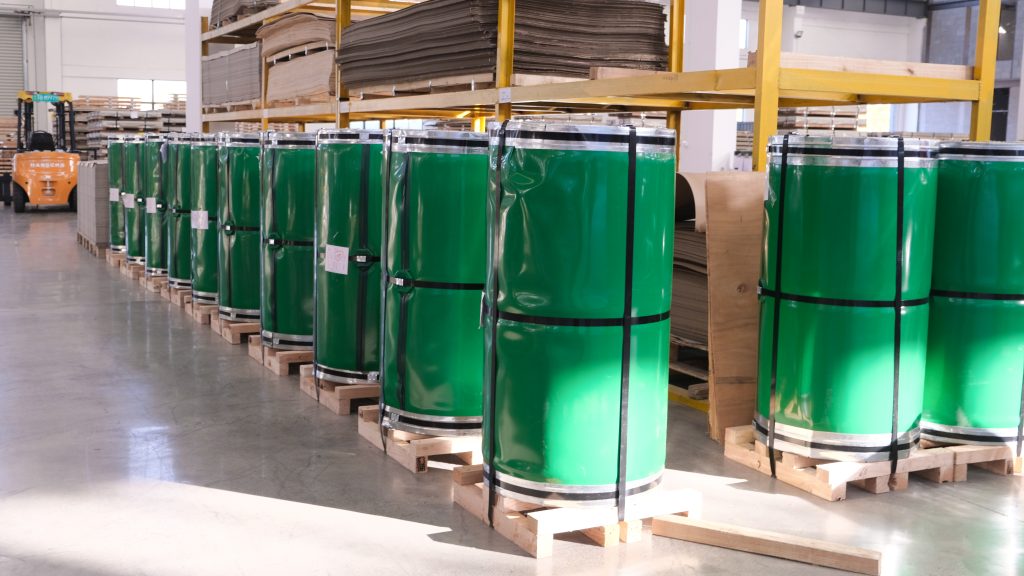
| Packing | PVC film, interleaved paper, crate, panels labelled by grain direction |
| Incoterms | FOB, CIF, DAP |
Specify the grade, thickness, finish, grain direction, any Ra limit, and sheet size or cut list. Related products: mirror and polished sheet, 304 sheet, 316 and 316L sheet, embossed sheet, colour coated sheet, 201 plate, and the full sheet and plate range.
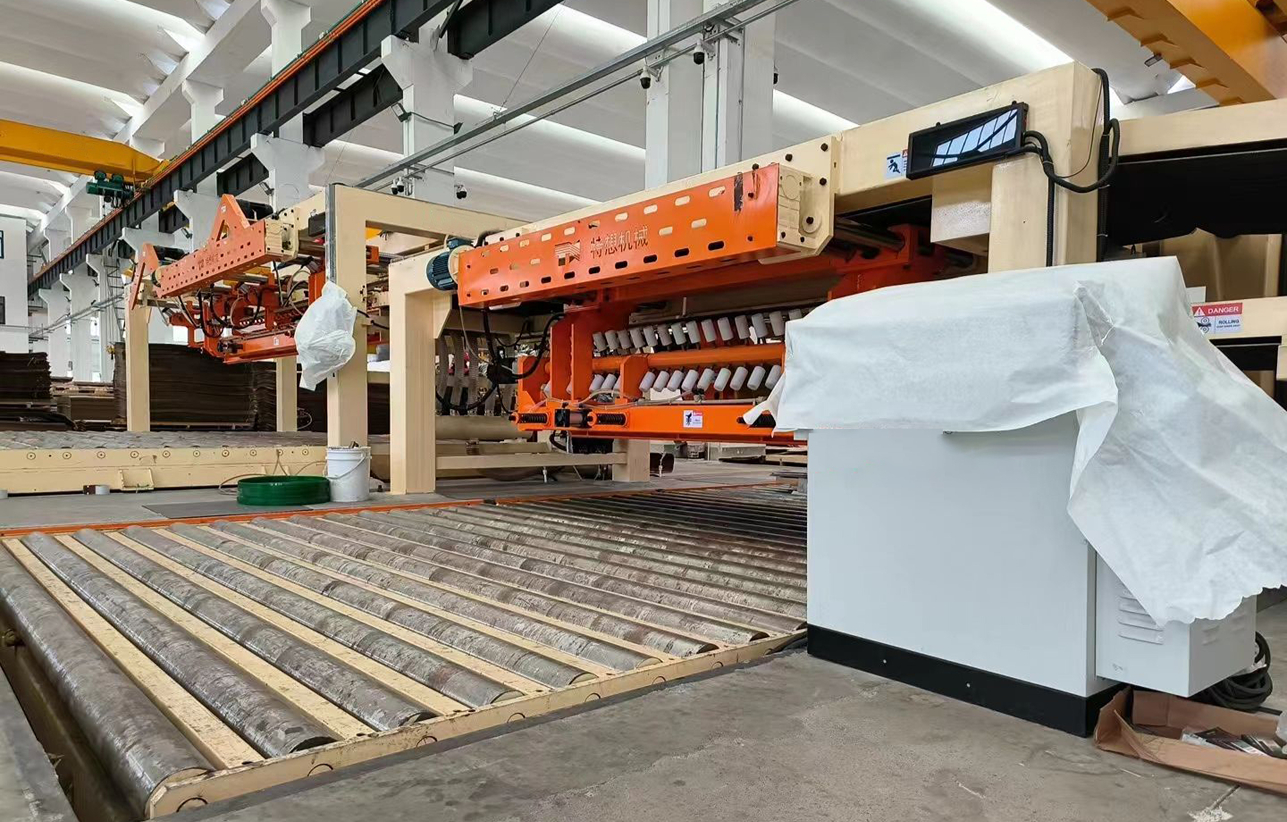
Stainless Steel Plate Bending/Stamping Process
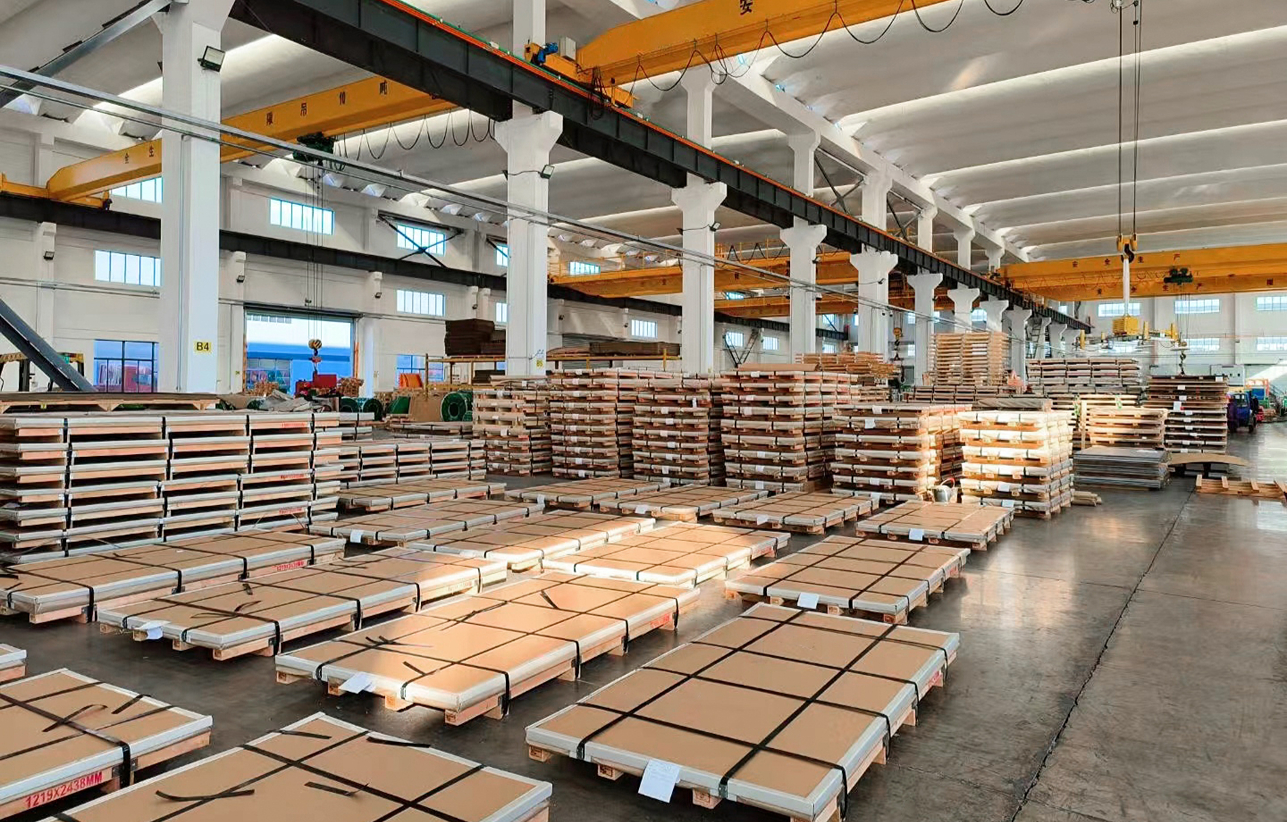
Stainless Steel Plates on Storage Rack
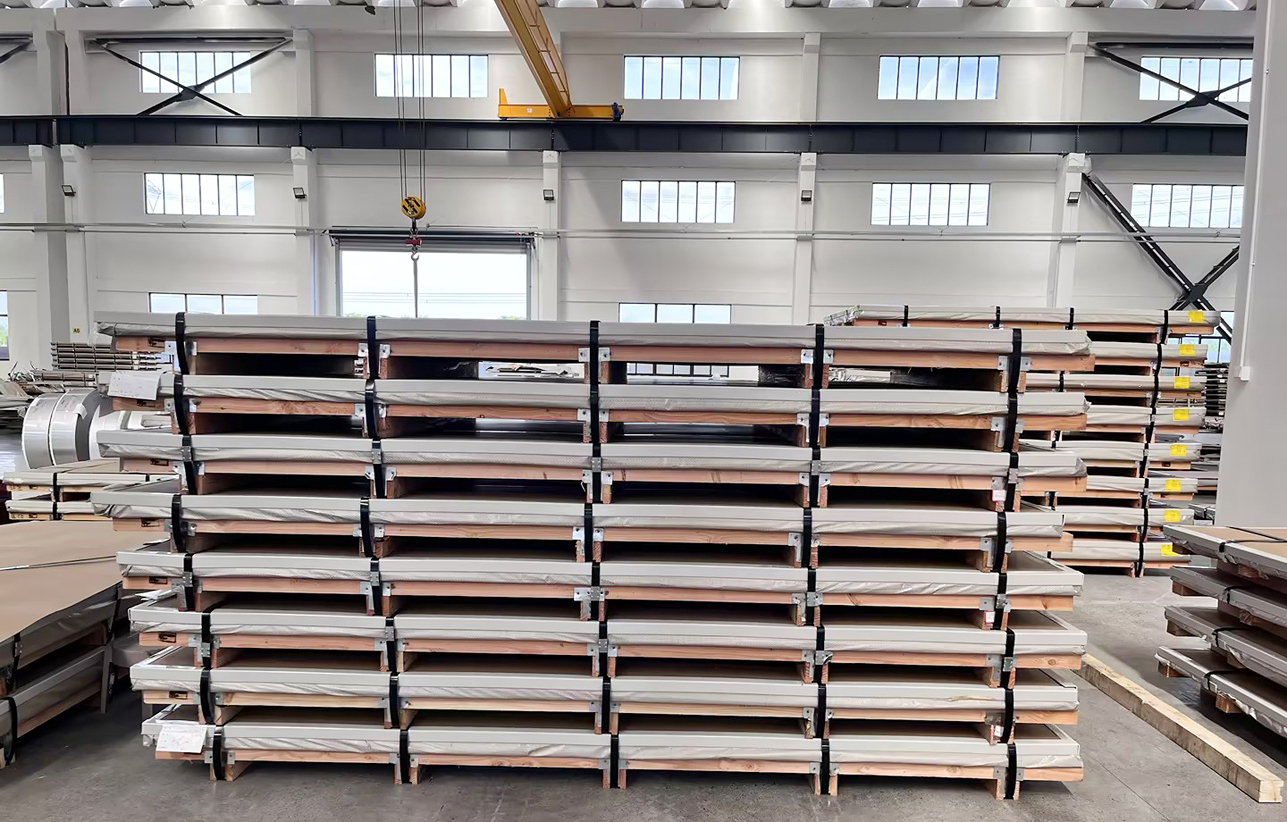
Palletized Stainless Steel Plates
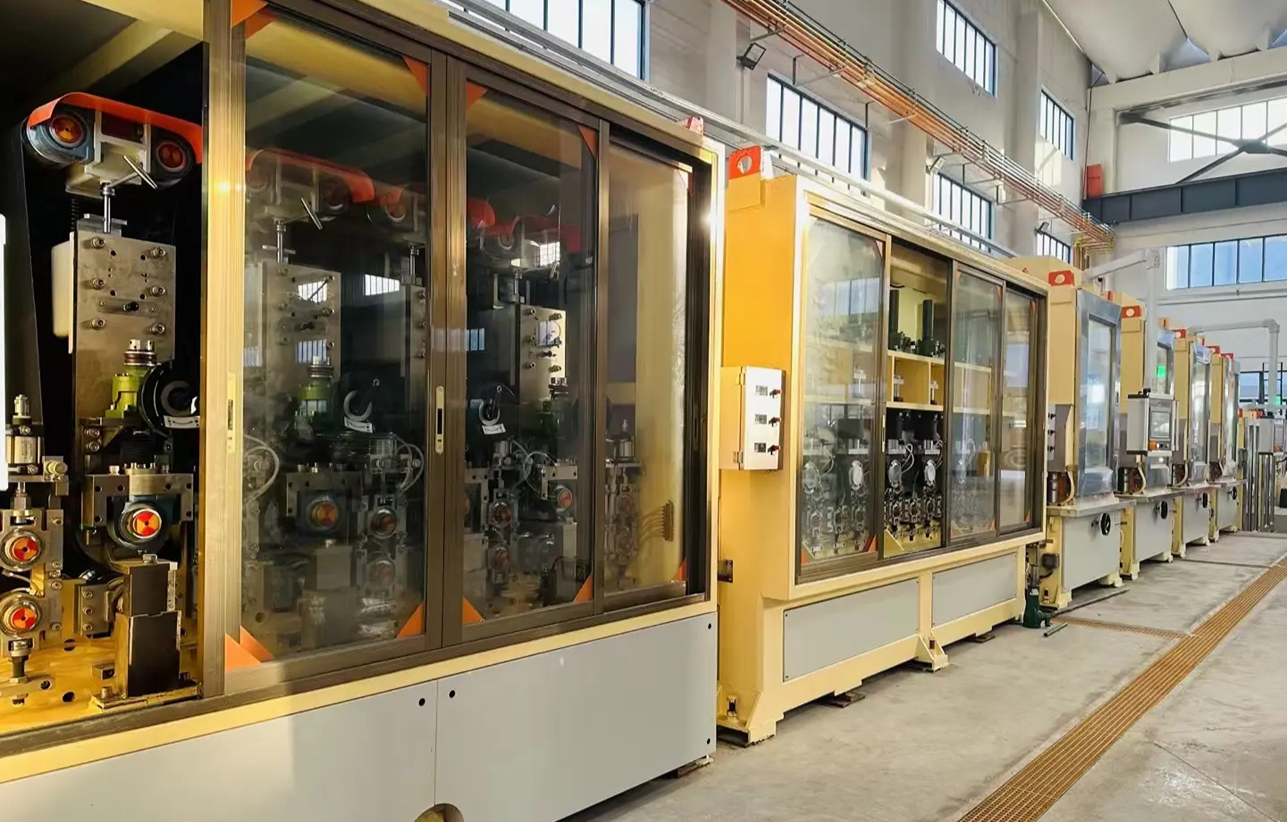
Stainless Steel Plate Rolling Line
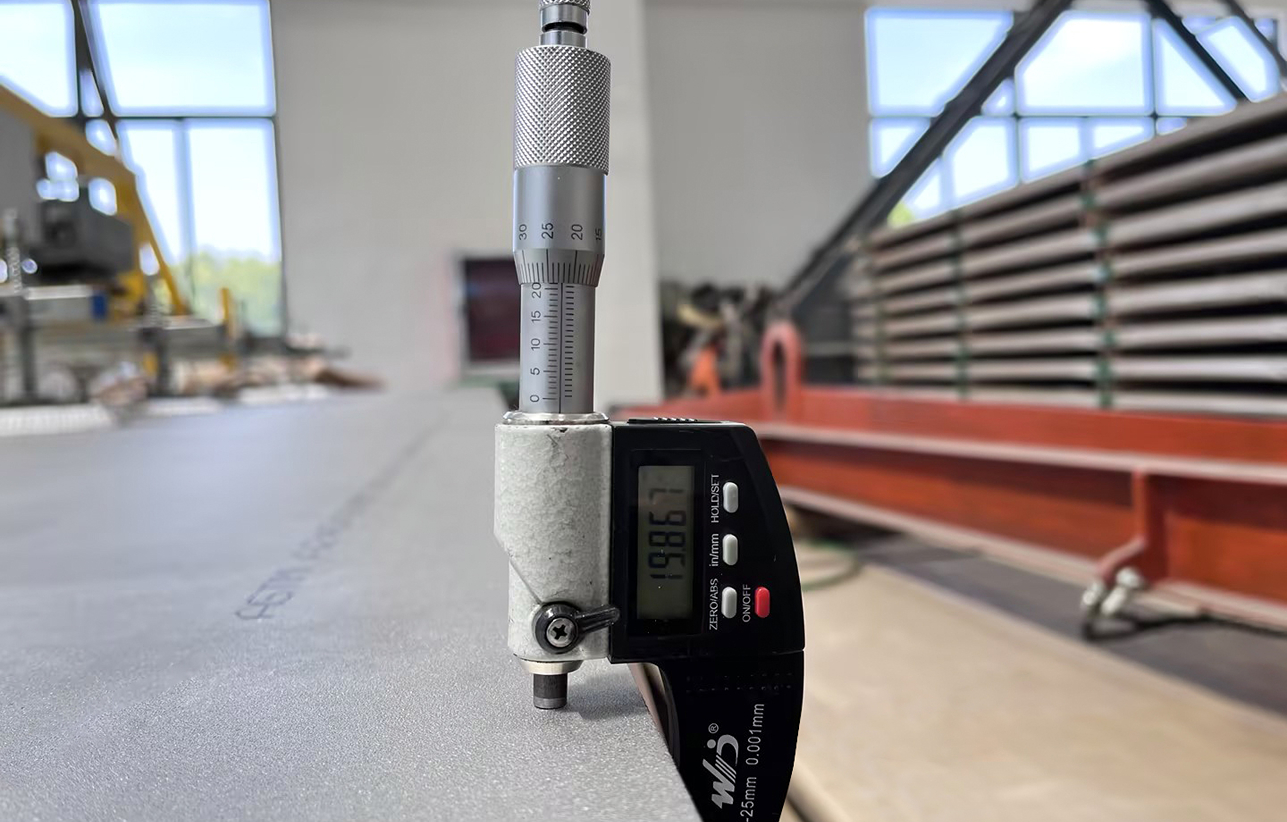
Precision Thickness Inspection of Stainless Steel Plate

Forklift Loading Stainless Steel Plates for Shipment


Brushed stainless steel sheet is sheet whose surface has been abraded in one direction with a belt or brush, producing the fine parallel grain known as a No.4 finish in the ASTM system or 2G and 2J in EN 10088. It is the most widely specified architectural and equipment finish in the world, because it hides fingerprints, scratches and cleaning marks in a way no reflective surface can. Walmay supplies it in 201 for cost-driven indoor work, 304 as the general standard and 316L where salt is present, from 0.5 mm to 3.0 mm thick, PVC filmed with the grain direction marked on every bundle.

Grain direction is the single most common cause of rejected brushed panels, and it is entirely avoidable.
We run surface treatment and polishing alongside cutting, bending, edge finishing and packaging, so panels arrive finished, filmed and labelled by elevation.



View Stainless Steel Plate & Sheet Supplier [CO:wp/v2/products/name]
Walmay will help match the right stainless product form and specification for your application, confirm quantities and packing needs, and provide requested documents based on order requirements.
Loading form…