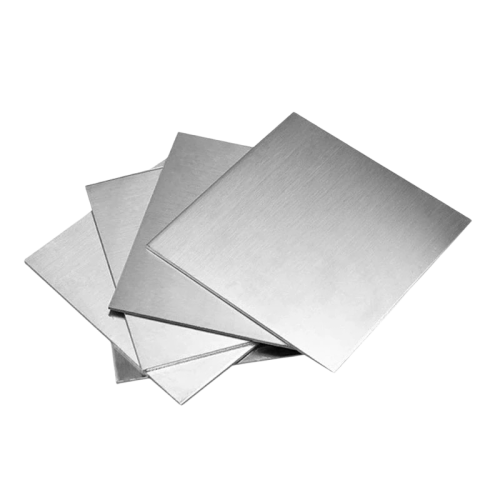
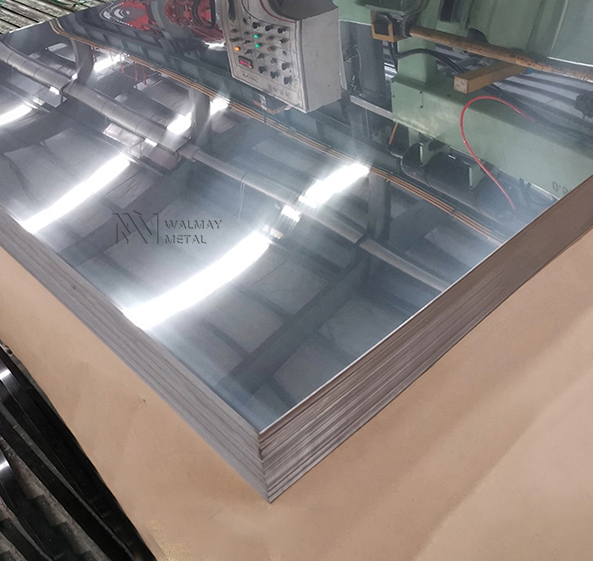
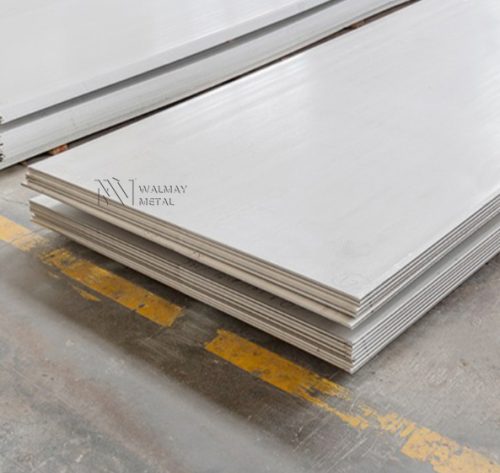
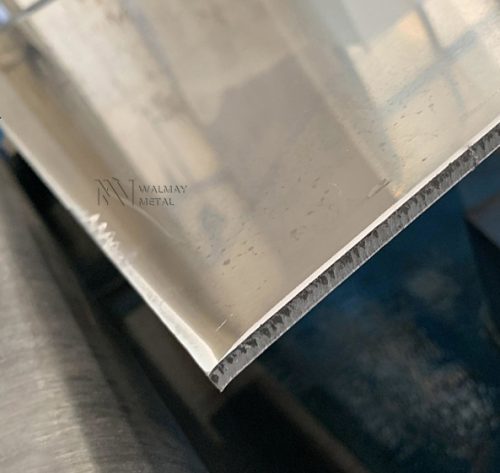
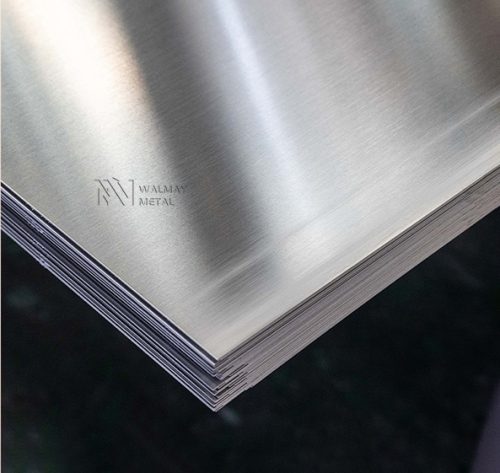
Super duplex 2507 is a ferritic-austenitic stainless steel, UNS S32750 and EN 1.4410, with 24 to 26 percent chromium, 6 to 8 percent nickel, 3 to 5 percent molybdenum and a deliberate nitrogen addition of 0.24 to 0.32 percent. Its PREN of about 42 puts it in the super duplex class, defined as PREN of 40 or above, and it delivers roughly two and a half times the yield strength of 316L at the same time. Walmay supplies 2507 sheet and plate from 2 mm to 60 mm thick and up to 2,000 mm wide, to ASTM A240 and ASME SA240, cut to size with an EN 10204 3.1 certificate on every heat.

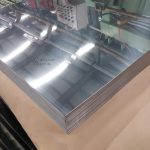

| Item | Detail |
|---|---|
| Grade | Super duplex 2507, UNS S32750, EN 1.4410 |
| Standards | ASTM A240 / ASME SA240, ASTM A480 general requirements |
| Thickness | 2.0-60 mm |
| Width | 1,000, 1,219, 1,500 and 2,000 mm, or slit to width |
| Length | 2,000, 3,000, 6,000 mm, or cut to size |
| Condition | Solution annealed and quenched, pickled |
| Surface | No.1 hot rolled pickled, 2B on thin cold rolled material |
| PREN | Approximately 42 |
| Testing | Ferrite content, impact, hardness and corrosion testing to ASTM A923 on request |
| Certification | EN 10204 3.1 with heat number and full analysis |
Limits to ASTM A240 for UNS S32750, in percent by mass.
| Element | Minimum | Maximum |
|---|---|---|
| Carbon | - | 0.030 |
| Chromium | 24.0 | 26.0 |
| Nickel | 6.0 | 8.0 |
| Molybdenum | 3.0 | 5.0 |
| Nitrogen | 0.24 | 0.32 |
| Manganese | - | 1.20 |
| Copper | - | 0.50 |
| Silicon | - | 0.80 |
| Phosphorus | - | 0.035 |
| Sulphur | - | 0.020 |
The nitrogen addition is what separates super duplex from standard duplex. It raises the pitting resistance equivalent number directly, at sixteen times its weight in the PREN formula, and it strengthens the austenite phase so that the two phases have comparable strength. PREN is calculated as chromium plus 3.3 times molybdenum plus 16 times nitrogen, which for a typical 2507 analysis of 25 chromium, 4 molybdenum and 0.28 nitrogen gives about 42.7.
| Property | Super duplex 2507 | Duplex 2205 | 316L |
|---|---|---|---|
| Yield strength, 0.2 percent proof | 550 MPa minimum | 450 MPa minimum | 170 MPa minimum |
| Tensile strength | 795 MPa minimum | 620 MPa minimum | 485 MPa minimum |
| Elongation in 50 mm | 15 percent minimum | 25 percent minimum | 40 percent minimum |
| Hardness | 310 HBW maximum | 293 HBW maximum | 217 HBW maximum |
| PREN | About 42 | About 35 | About 25 |
| Critical pitting temperature | Above 50 C | About 40 C | About 35 C |
| Density | 7.8 g/cm3 | 7.8 g/cm3 | 8.0 g/cm3 |
| Modulus of elasticity | 200 GPa | 200 GPa | 193 GPa |
| Thermal expansion, 20-100 C | 13.0 micrometres per m.K | 13.0 micrometres per m.K | 16.0 micrometres per m.K |
| Thermal conductivity at 20 C | 16 W/m.K | 16 W/m.K | 15 W/m.K |
| Maximum service temperature | 300 C | 300 C | Over 800 C |
| Magnetic response | Magnetic, ferrite present | Magnetic | Non-magnetic |
Two figures in that table have direct design consequences. The yield strength of 550 MPa against 170 MPa for 316L means a vessel wall or a plate can often be thinned substantially, and the material saving frequently offsets much of the higher price per tonne. And the thermal expansion coefficient of 13 rather than 16 micrometres per metre per kelvin means less distortion during welding and less thermal strain in service than an austenitic grade.
| Condition | Limit |
|---|---|
| Maximum design temperature, ASME | 315 C |
| Practical continuous service | 300 C |
| 475 C embrittlement range | 300-525 C, avoid entirely |
| Sigma phase precipitation | 600-1,000 C on slow cooling |
| Minimum service temperature | Down to minus 50 C with impact testing |
| Solution annealing | 1,025-1,125 C followed by rapid quench |
Duplex grades are strictly limited at the top end, and the reason is metallurgical rather than conservative. Holding the material between about 300 and 525 C precipitates alpha prime in the ferrite phase, the phenomenon known as 475 C embrittlement, which severely reduces room-temperature toughness. Above 600 C, sigma phase forms, which damages both toughness and corrosion resistance. Neither is reversible without re-solution annealing. If the design temperature exceeds 300 C, do not specify duplex; use 310S or 321 instead.
| System | Designation |
|---|---|
| UNS | S32750 |
| EN / Werkstoff | 1.4410 |
| EN name | X2CrNiMoN25-7-4 |
| Common trade name | SAF 2507 |
| ASTM flat products | A240 / A480 |
| ASTM pipe and tube | A790 / A928 |
| ASTM bar | A479 |
| ASTM forgings | A182 F53 |
| Closely related super duplex | S32760, known as Zeron 100, with tungsten and copper additions |
S32750 and S32760 are both super duplex with a PREN above 40 and are often cross-accepted, but they are not identical: S32760 carries tungsten and copper additions and is specified by name on some projects. Confirm which designation the drawing requires, because substituting one for the other without approval is a common source of rejected material.
| Item | Detail |
|---|---|
| Minimum order | 500 kg for stock thicknesses, 3-5 tonnes for a mill run |
| Lead time from stock | 10-15 days to loading |
| Lead time mill run | 45-60 days, super duplex is scheduled rather than continuously rolled |
| Processing | Waterjet or plasma cut to size, edges machined for critical service |
| Testing | Ferrite count, impact at minus 46 C, ASTM A923 corrosion testing on request |
| Certification | EN 10204 3.1, NACE MR0175 documentation where specified |
Send the thickness, dimensions, quantity, applicable code and any project specification. Where the material is for sour or seawater service, state the testing requirements up front so the heat is selected and documented correctly rather than re-tested afterwards.
Related products: duplex 2205 sheet, 2205 duplex pipe, 2205 duplex coil, 2205 square bar and the full sheet and plate range. Company background is on our about us page.
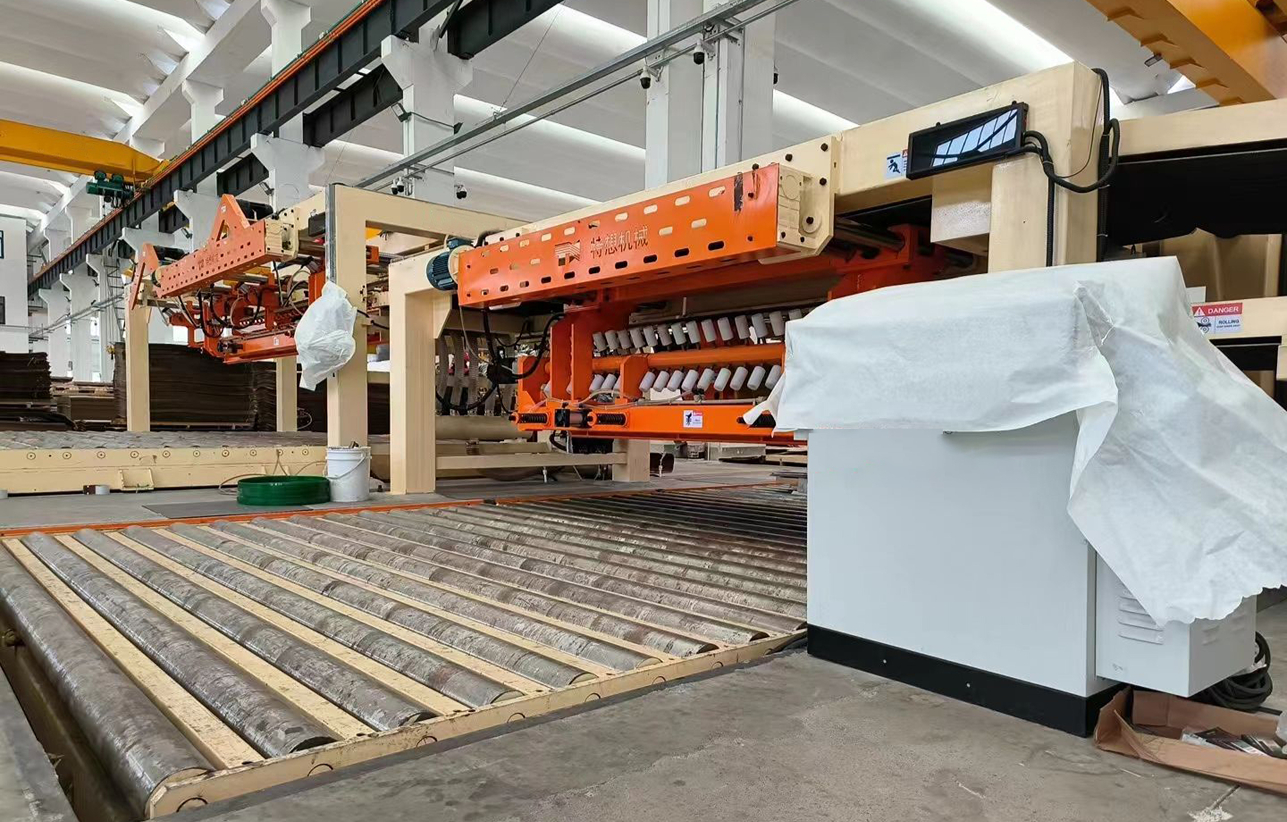
Stainless Steel Plate Bending/Stamping Process
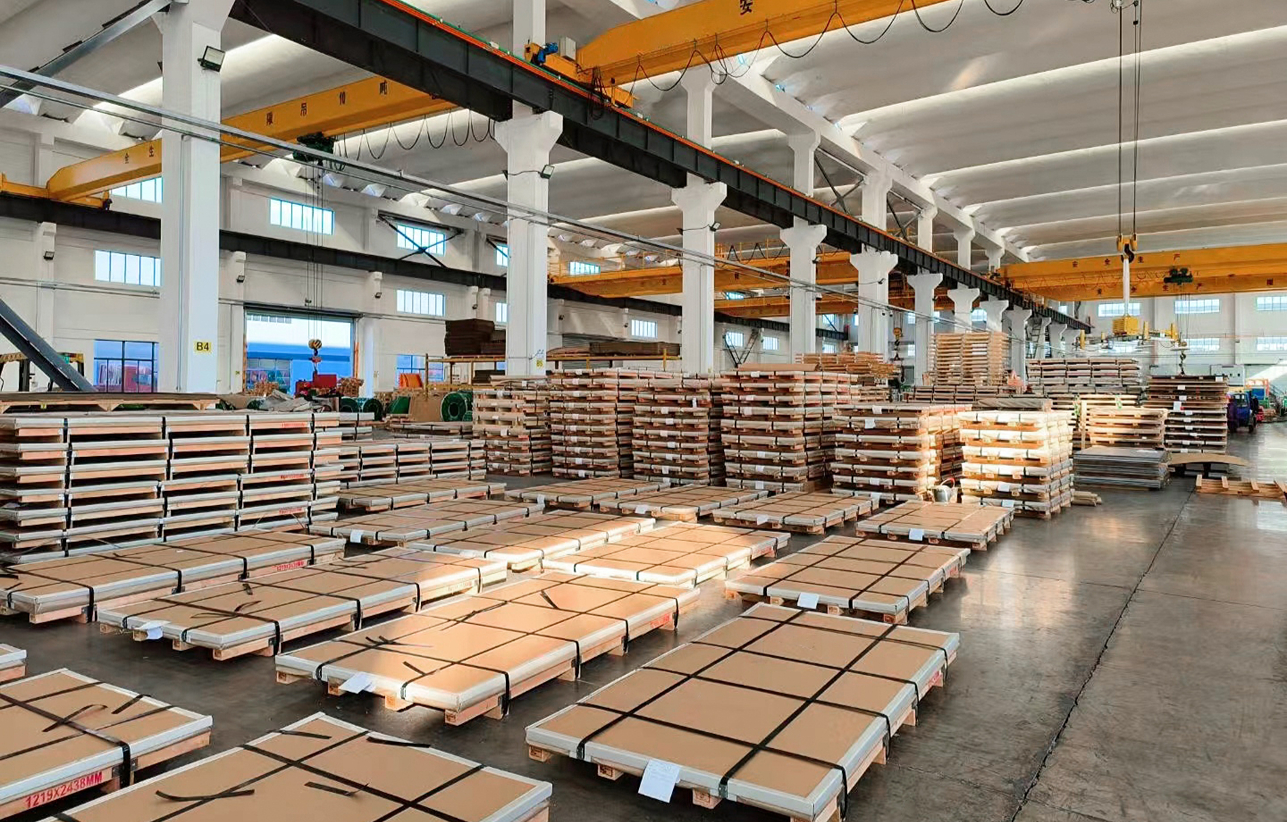
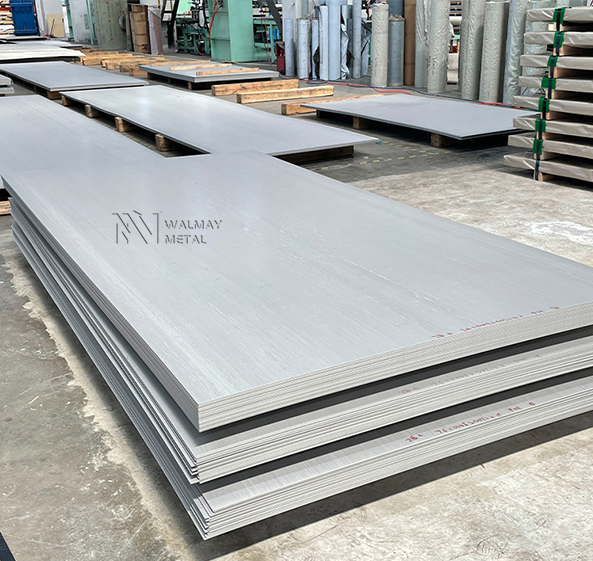
Stainless Steel Plates on Storage Rack
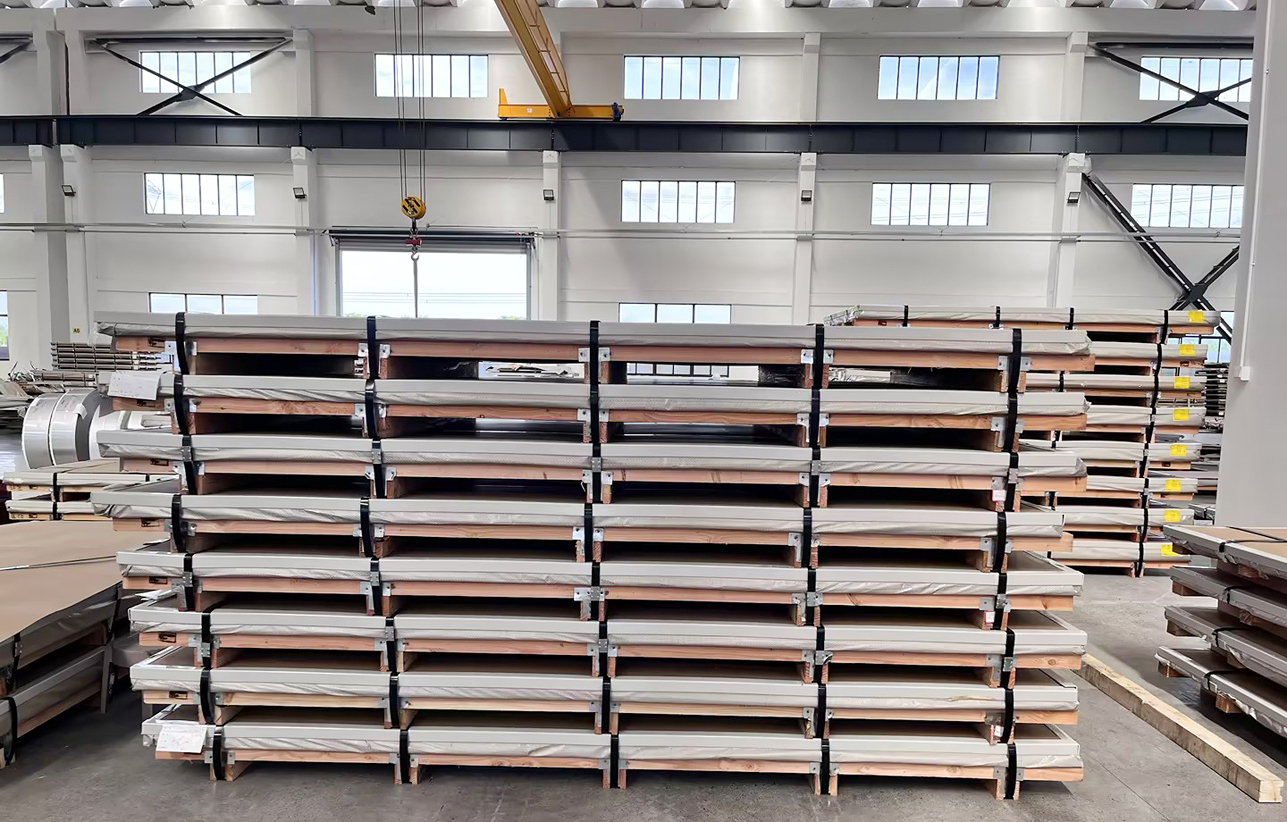
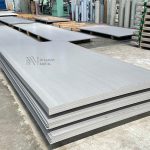
Palletized Stainless Steel Plates
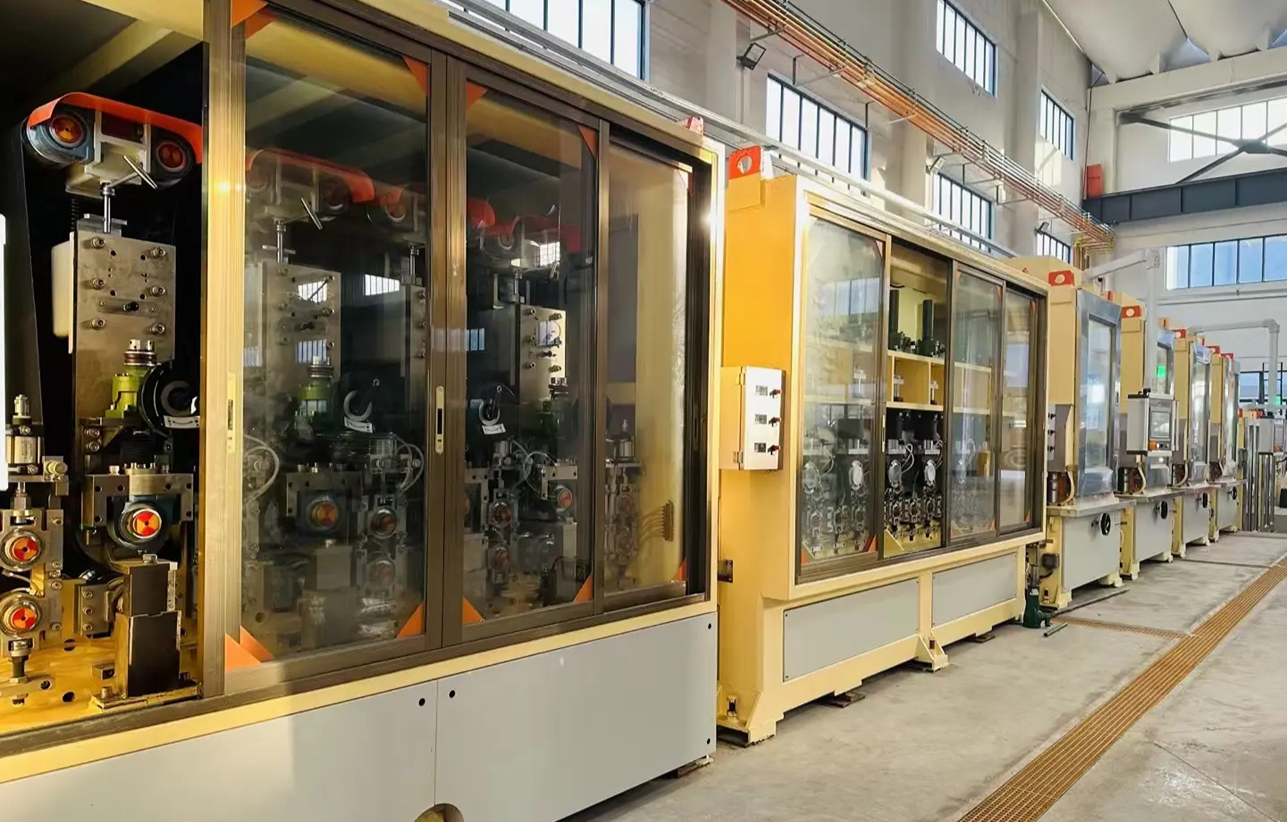
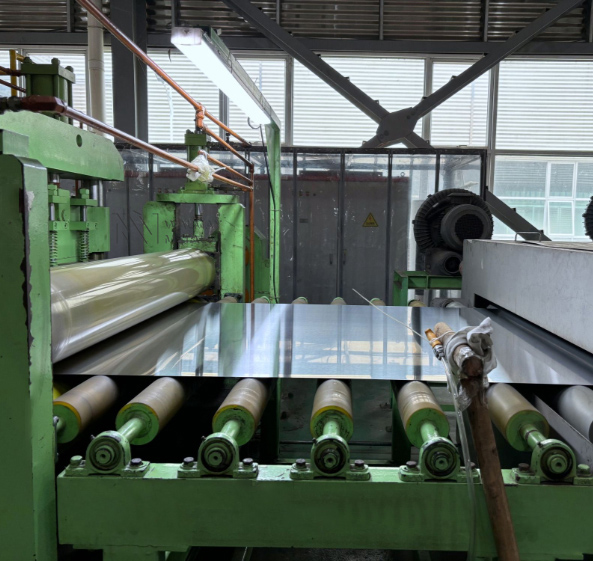
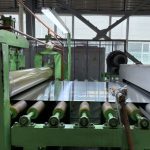
Stainless Steel Plate Rolling Line
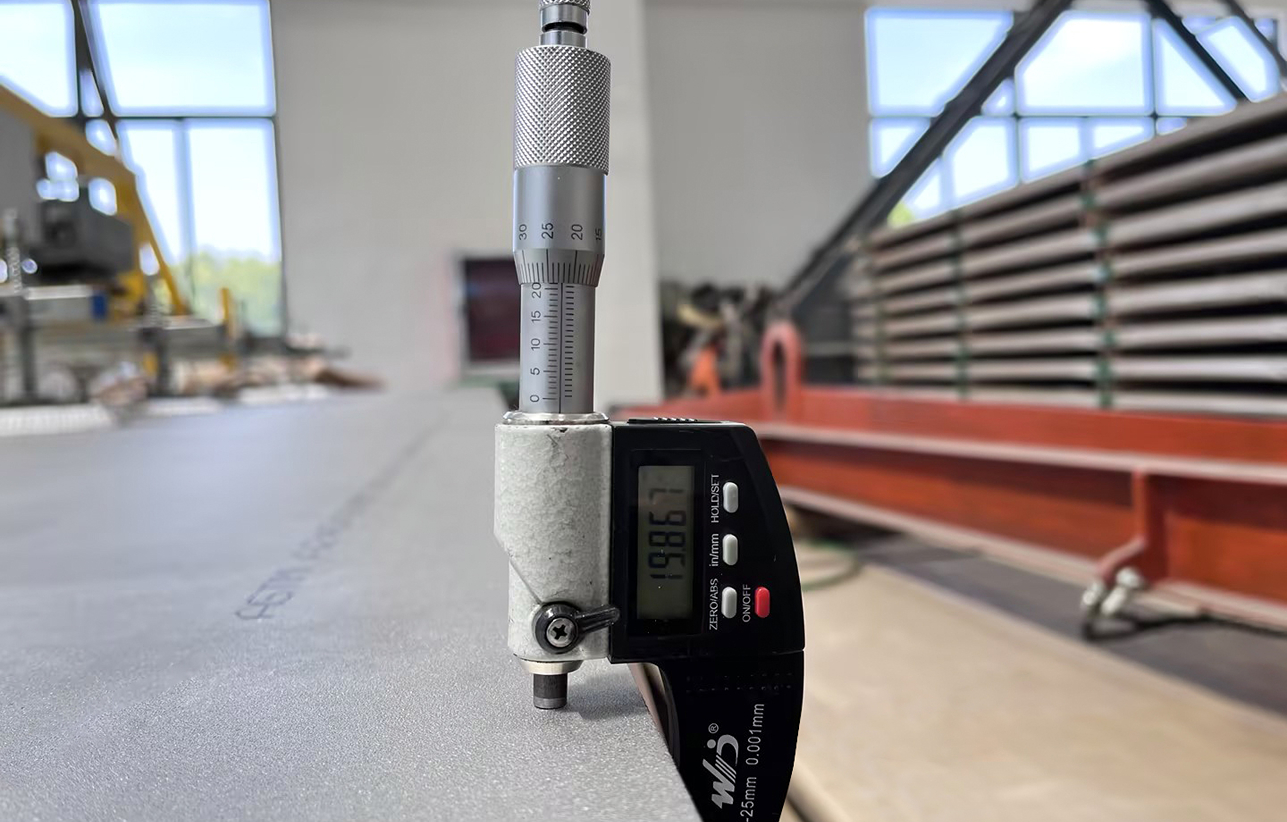
Precision Thickness Inspection of Stainless Steel Plate
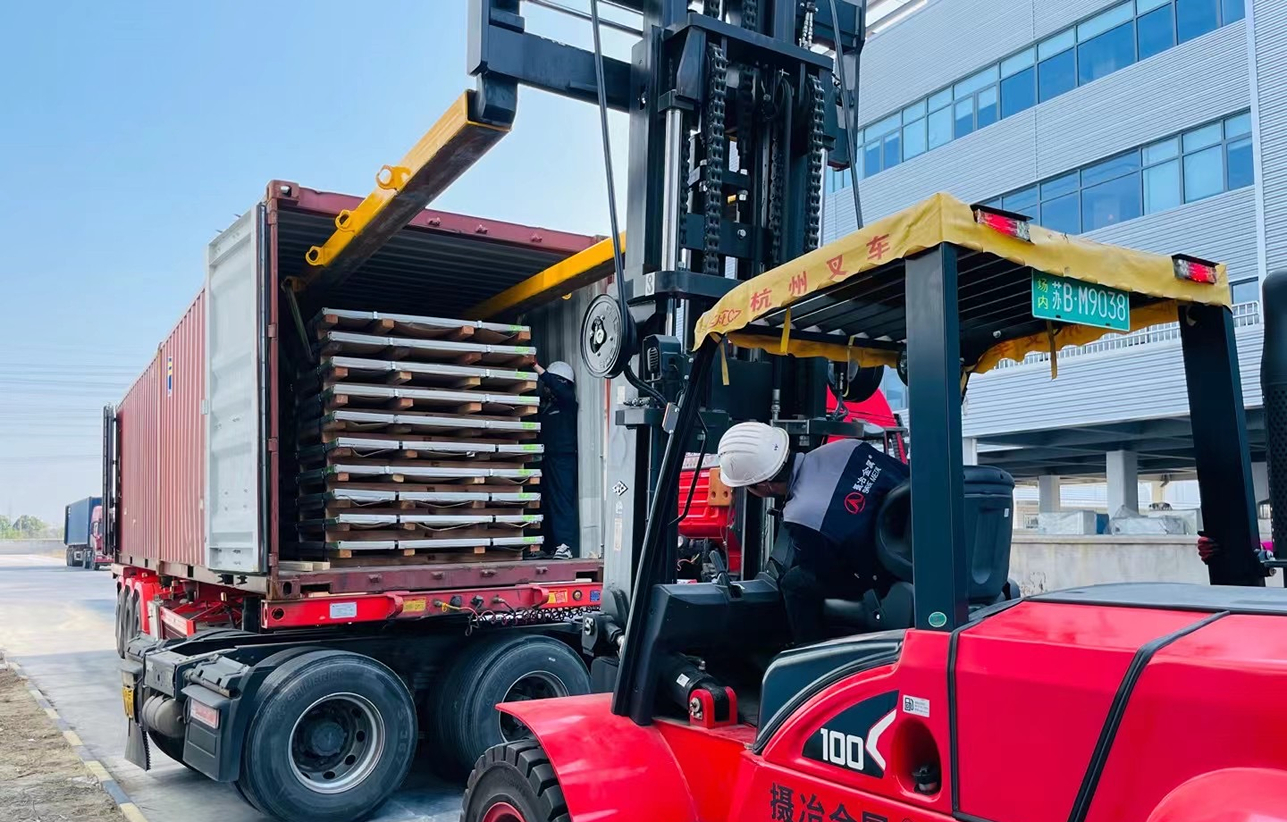
Forklift Loading Stainless Steel Plates for Shipment


Super duplex 2507 is a ferritic-austenitic stainless steel, UNS S32750 and EN 1.4410, with 24 to 26 percent chromium, 6 to 8 percent nickel, 3 to 5 percent molybdenum and a deliberate nitrogen addition of 0.24 to 0.32 percent. Its PREN of about 42 puts it in the super duplex class, defined as PREN of 40 or above, and it delivers roughly two and a half times the yield strength of 316L at the same time. Walmay supplies 2507 sheet and plate from 2 mm to 60 mm thick and up to 2,000 mm wide, to ASTM A240 and ASME SA240, cut to size with an EN 10204 3.1 certificate on every heat.

2507 was developed for seawater and high-chloride process streams, where its critical pitting temperature above 50 C gives it a real margin over both 2205 and 316L. It is also highly resistant to chloride stress corrosion cracking, the failure mode that limits austenitic grades in hot chloride service, because the ferrite phase does not crack in the same way.
The grade is suitable for raw and chlorinated seawater, brine and reject streams from desalination, sour service to NACE MR0175 where the hardness and ferrite requirements are met, and flue gas desulphurisation. Where the dominant corrosive is sulphuric or phosphoric acid rather than chlorides, 904L with its copper addition is the better answer despite its lower PREN. Our reference on stainless steel in seawater sets out the selection logic, and understanding PREN explains the index.


Super duplex is a demanding material to fabricate, and almost every problem traces back to one issue: maintaining the phase balance of roughly 50 percent ferrite and 50 percent austenite.
Every operation is followed by pickling and passivation on our surface treatment line, and solution annealing is available in-house through our heat treatment facility.
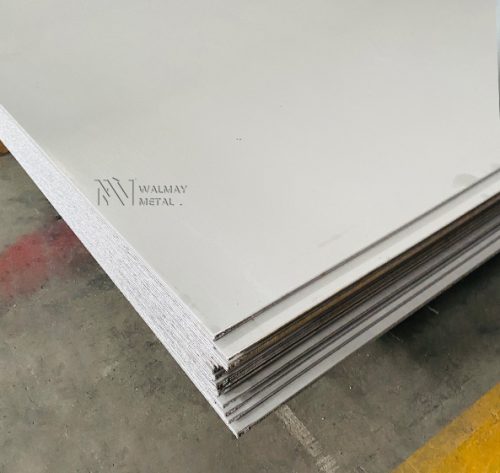

View Stainless Steel Plate & Sheet Supplier [CO:wp/v2/products/name]
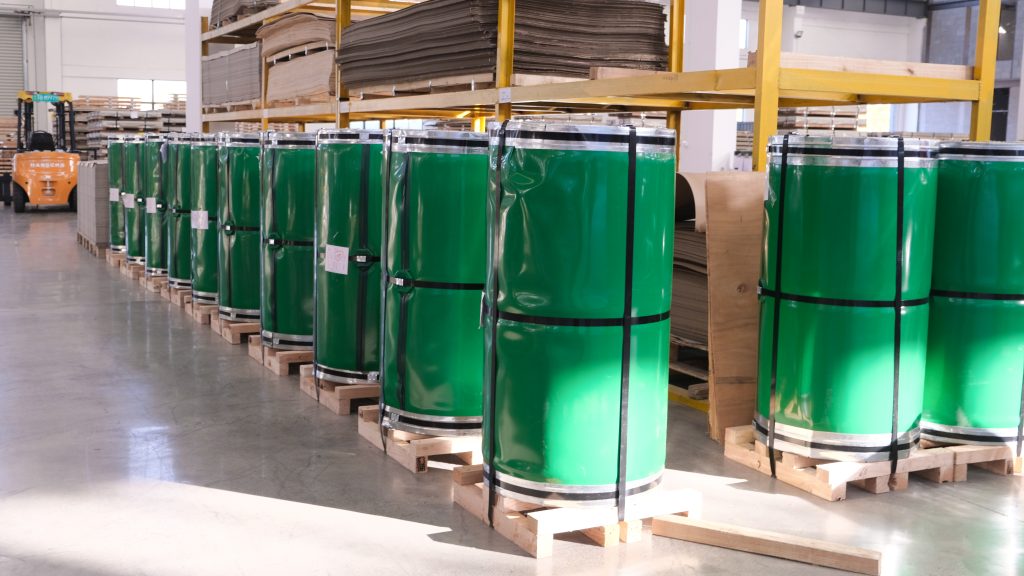
Walmay will help match the right stainless product form and specification for your application, confirm quantities and packing needs, and provide requested documents based on order requirements.
Loading form…