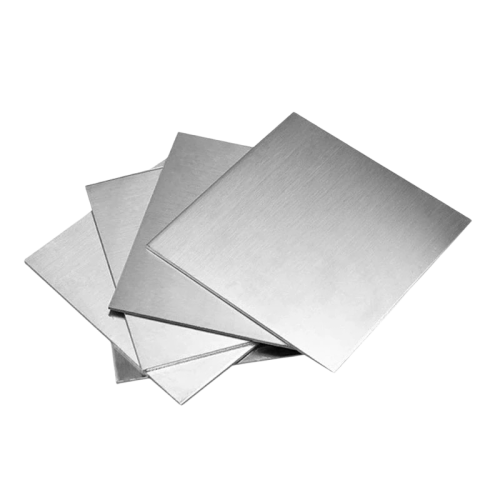
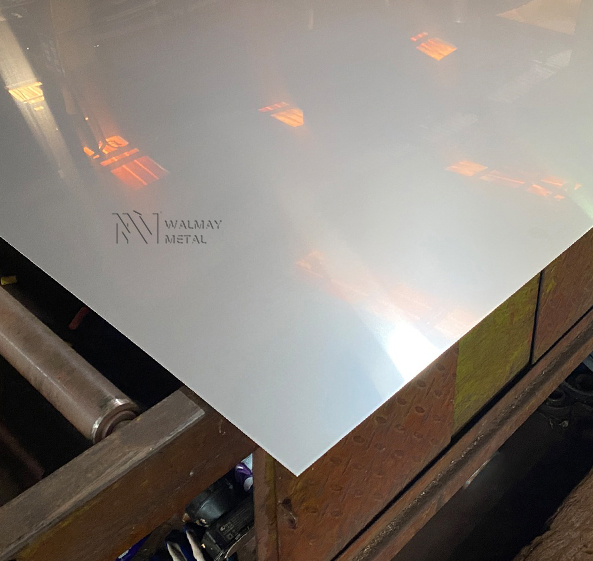
310 stainless steel sheet is the high-temperature austenitic grade, 24 to 26 percent chromium and 19 to 22 percent nickel, and its purpose is to resist oxidation and scaling where 304 and 316 fail. It holds a protective oxide film in continuous service to about 1,150 C, roughly 280 degrees beyond the practical ceiling for 304, and its high nickel content keeps the structure stable and resists carburisation. Walmay supplies 310 and the low-carbon 310S to ASTM A240 from 1.0 mm to 30 mm thick, cut to size, with the full grade family covered on our 310 and 310S hub.




| Item | Detail |
|---|---|
| Grade | 310, UNS S31000, and 310S, UNS S31008, EN 1.4845 |
| Standards | ASTM A240 / ASME SA240, ASTM A480, EN 10088-2, JIS G4304 |
| Thickness | 1.0-30 mm |
| Width | 1,000, 1,219, 1,500, 2,000 mm |
| Length | 2,000, 2,438, 3,000, 6,000 mm, or cut to size |
| Surface | 2B on cold rolled, No.1 pickled on hot rolled |
| Condition | Solution annealed |
| Maximum continuous service | About 1,150 C |
| Certification | EN 10204 3.1 |
| Element | 310 | 310S |
|---|---|---|
| Carbon | 0.25 max | 0.08 max |
| Chromium | 24.0-26.0 | 24.0-26.0 |
| Nickel | 19.0-22.0 | 19.0-22.0 |
| Manganese | 2.00 max | 2.00 max |
| Silicon | 1.50 max | 1.50 max |
| Phosphorus | 0.045 max | 0.045 max |
| Sulphur | 0.030 max | 0.030 max |
The 25 percent chromium builds a thicker, more adherent chromia scale than the 18 percent in 304, and the 20 percent nickel stops that scale from spalling as the part cycles through temperature. Nickel also resists carburisation, which is what destroys lower-alloy grades in carbon-rich furnace atmospheres.
| Property | 310S at room temperature |
|---|---|
| Yield strength minimum | 205 MPa |
| Tensile strength minimum | 515 MPa |
| Elongation | 40 percent |
| Hardness | 95 HRB max |
| Density | 7.9 g/cm3 |
| Thermal expansion | 15.9 um/m/K |
| Thermal conductivity | 14.2 W/m/K |
| Modulus of elasticity | 200 GPa |
| Magnetic response | Non-magnetic, and it stays non-magnetic when cold worked |
Room-temperature strength is not why the grade is bought. What matters is that it retains useful strength and creep resistance at temperature, where 304 has softened and started to scale.
| Criterion | 304 | 321 | 309S | 310 / 310S | 253 MA |
|---|---|---|---|---|---|
| Chromium | 18-20 | 17-19 | 22-24 | 24-26 | 20-22 |
| Nickel | 8-10.5 | 9-12 | 12-15 | 19-22 | 10-12 |
| Continuous service limit | 870 C | 900 C | 1,000 C | 1,150 C | 1,150 C |
| Creep strength above 800 C | Low | Moderate | Moderate | High | High |
| Carburisation resistance | Poor | Moderate | Good | Very good | Good |
| Relative cost | Baseline | Slightly above | Above | Roughly double 304 | High |
Two of the comparisons buyers make most often deserve a direct answer. Against 316, 310 wins decisively on temperature, since 316 is limited to about 870 C, while 316 wins decisively on chloride corrosion because it has molybdenum and 310 has none. Against 304, 310 buys 280 degrees of service temperature and much better scaling resistance for roughly double the price, so it makes no sense below about 870 C where 304 already works.
| Item | Detail |
|---|---|
| Minimum order | 500 kg from stock, 3 tonnes for a mill rolling |
| Lead time from stock | 10-15 days |
| Lead time mill run | 40-60 days |
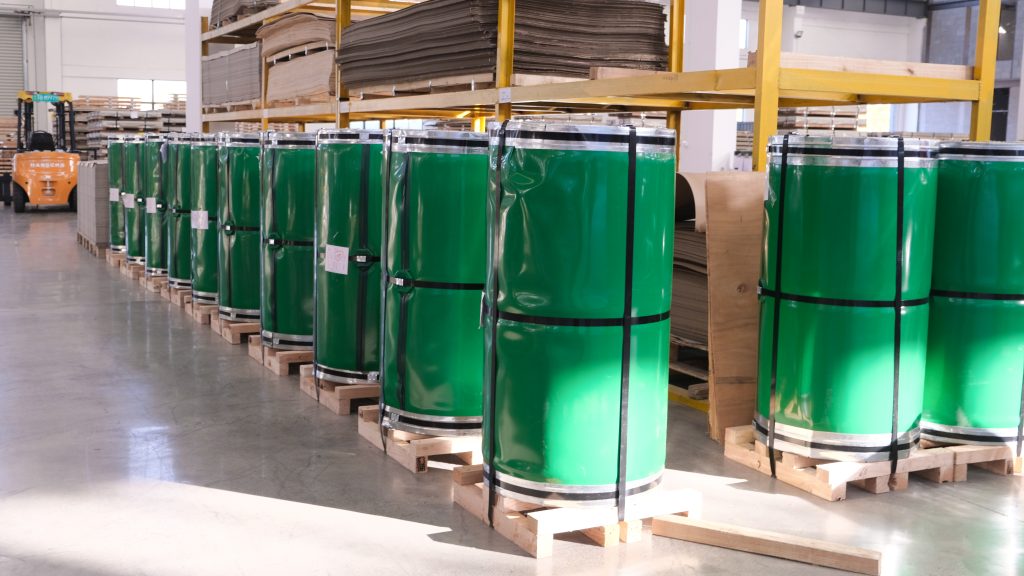
| Packing | Crate or pallet, edge protection |
| Documentation | EN 10204 3.1 with full analysis, elevated-temperature data on request |
| Incoterms | FOB, CIF, DAP |
Tell us the operating temperature, whether service is continuous or cyclic, and the atmosphere, because a carburising or sulphidising atmosphere changes the grade recommendation even at the same temperature.
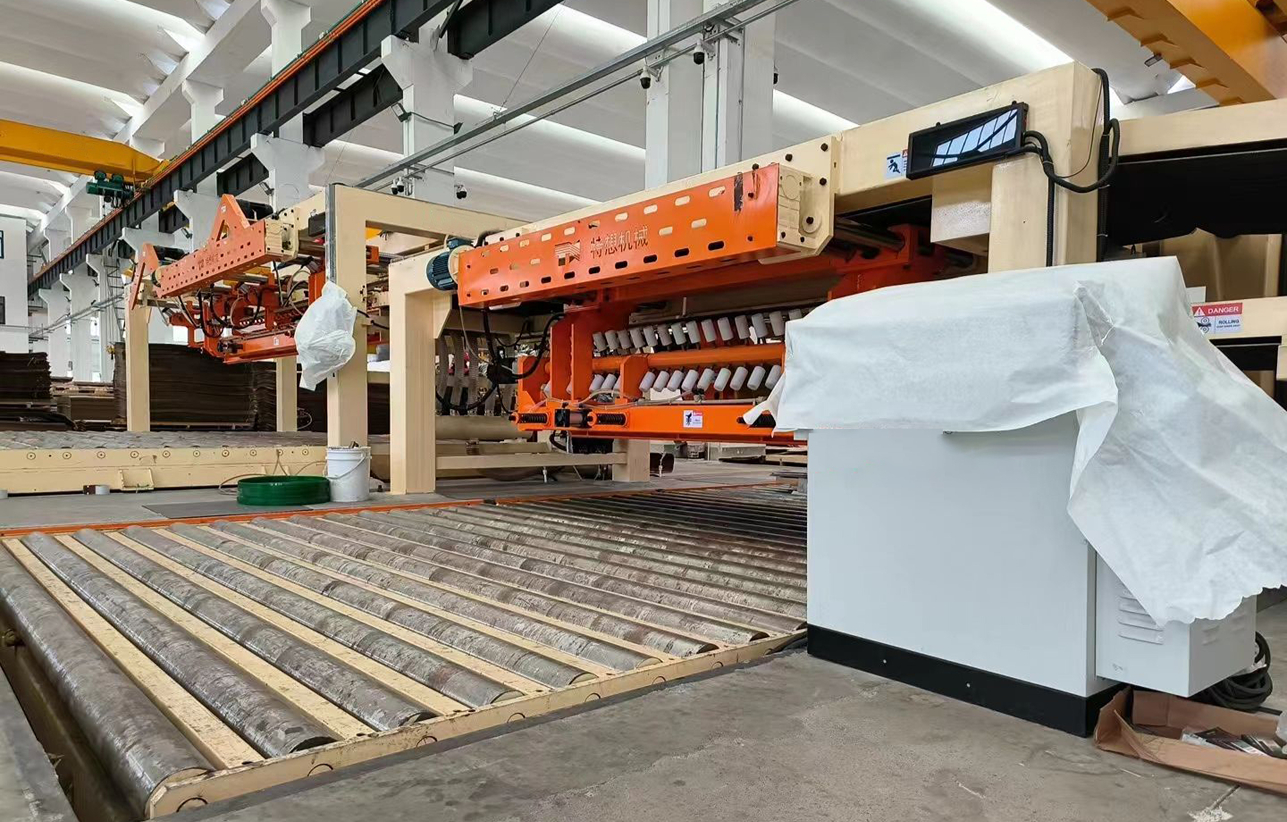
Stainless Steel Plate Bending/Stamping Process
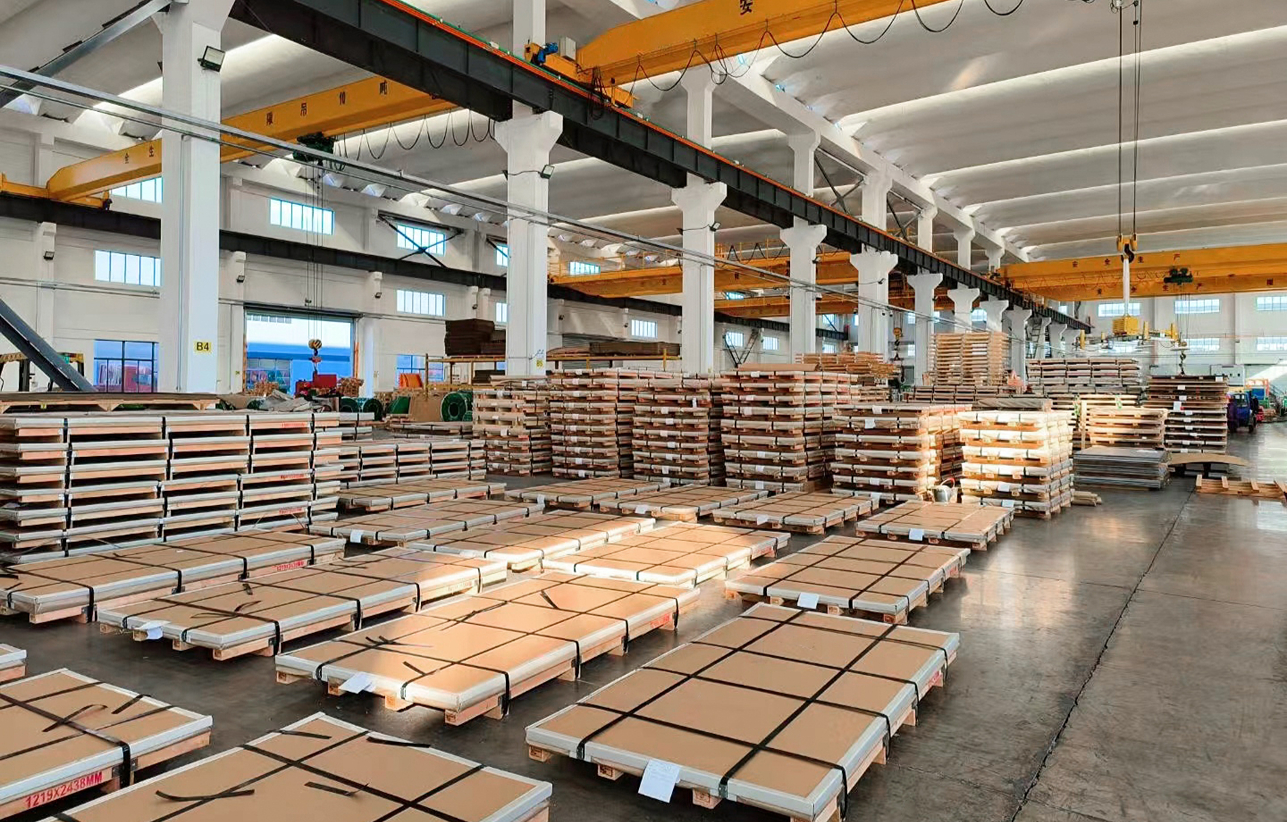
Stainless Steel Plates on Storage Rack
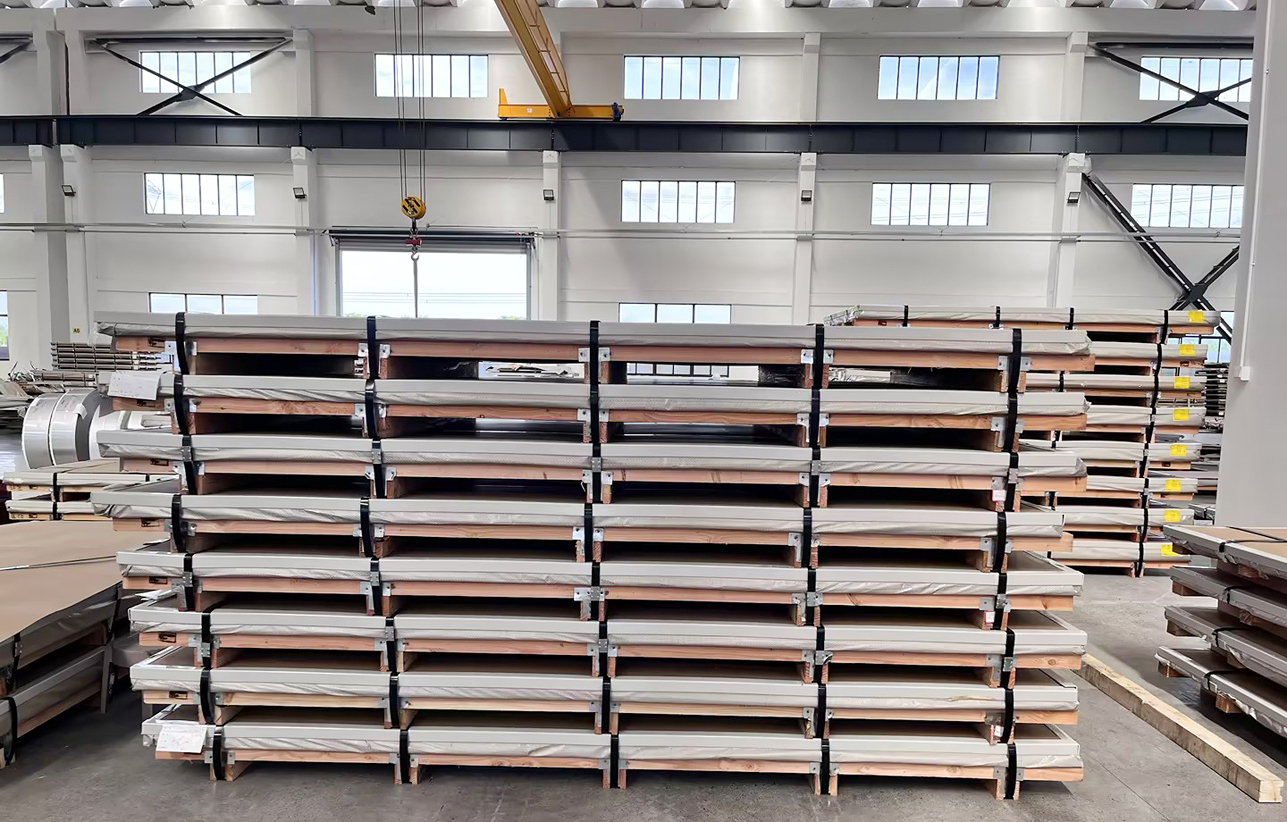
Palletized Stainless Steel Plates
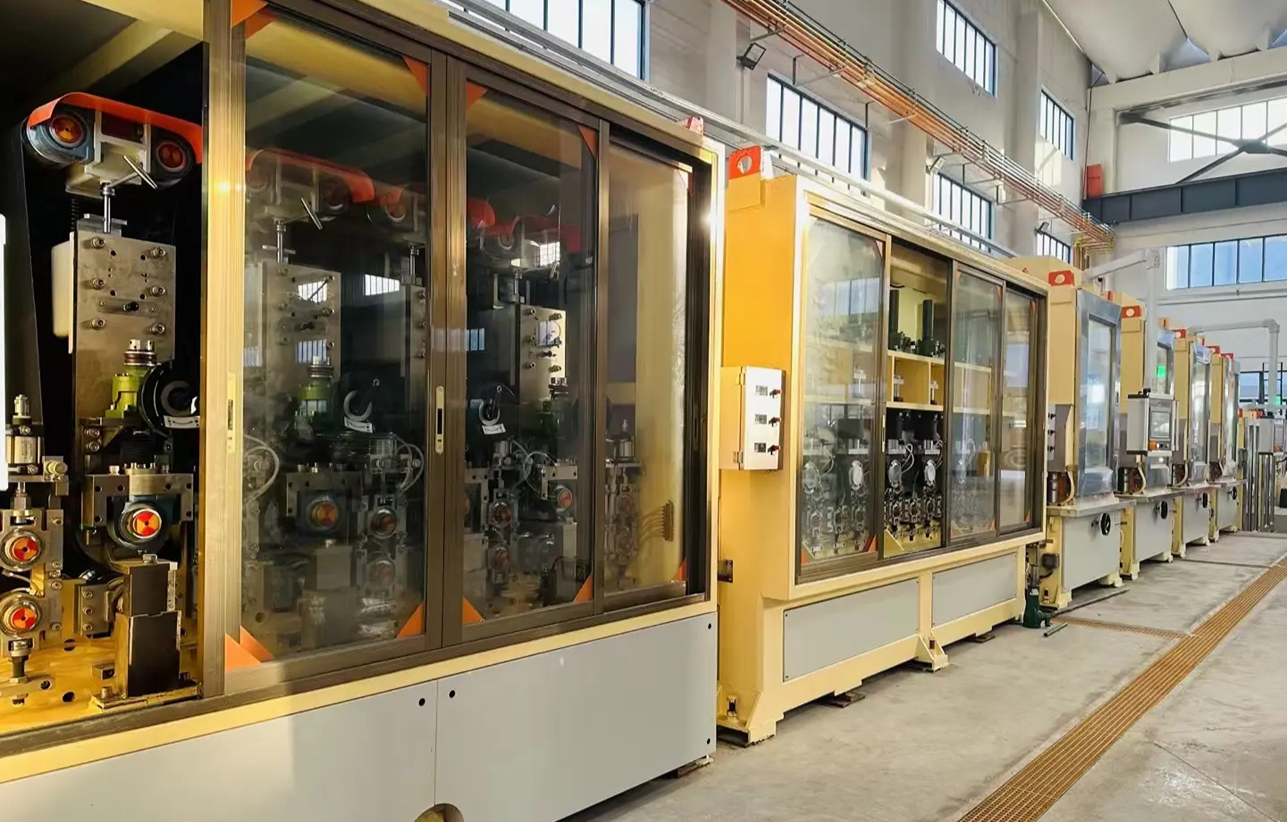
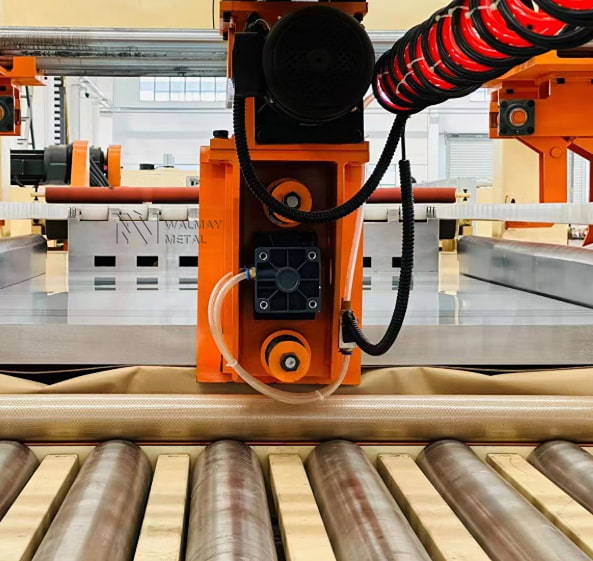
Stainless Steel Plate Rolling Line
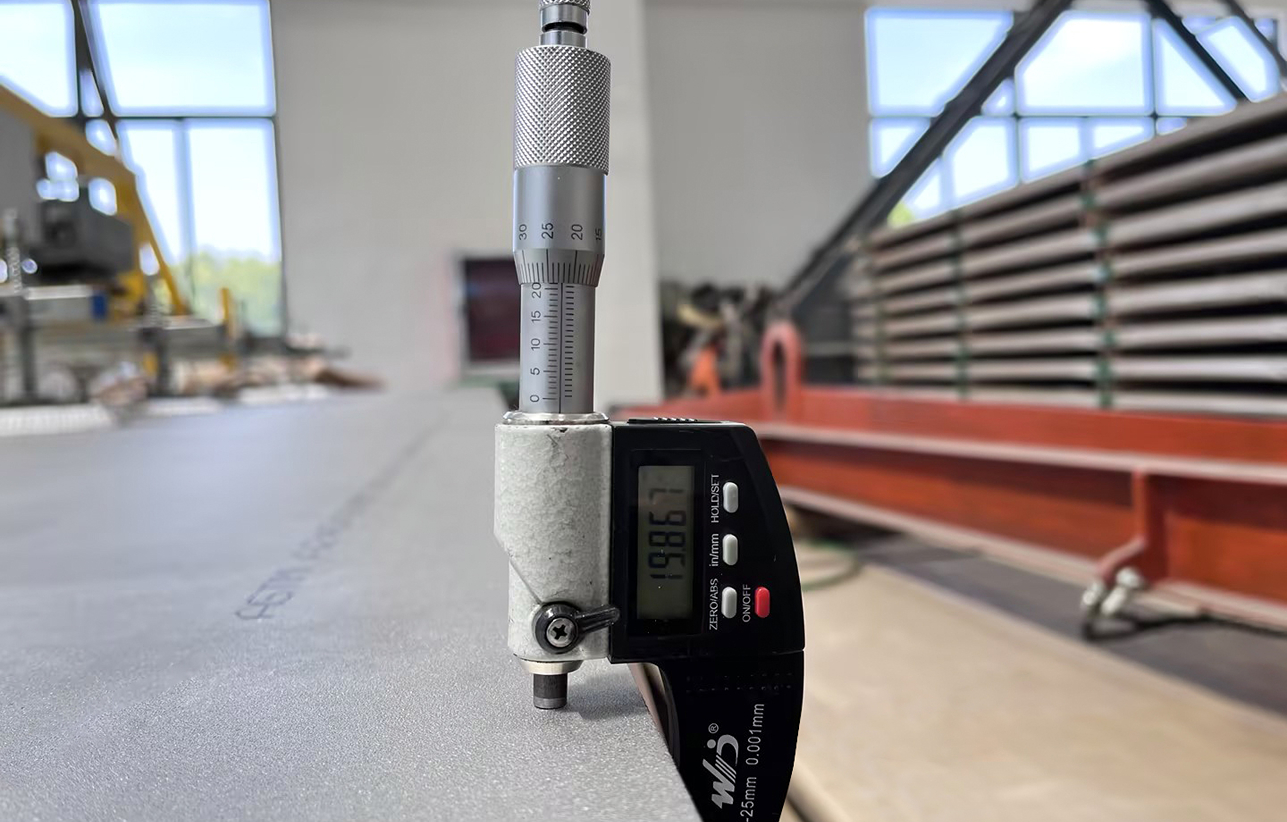
Precision Thickness Inspection of Stainless Steel Plate
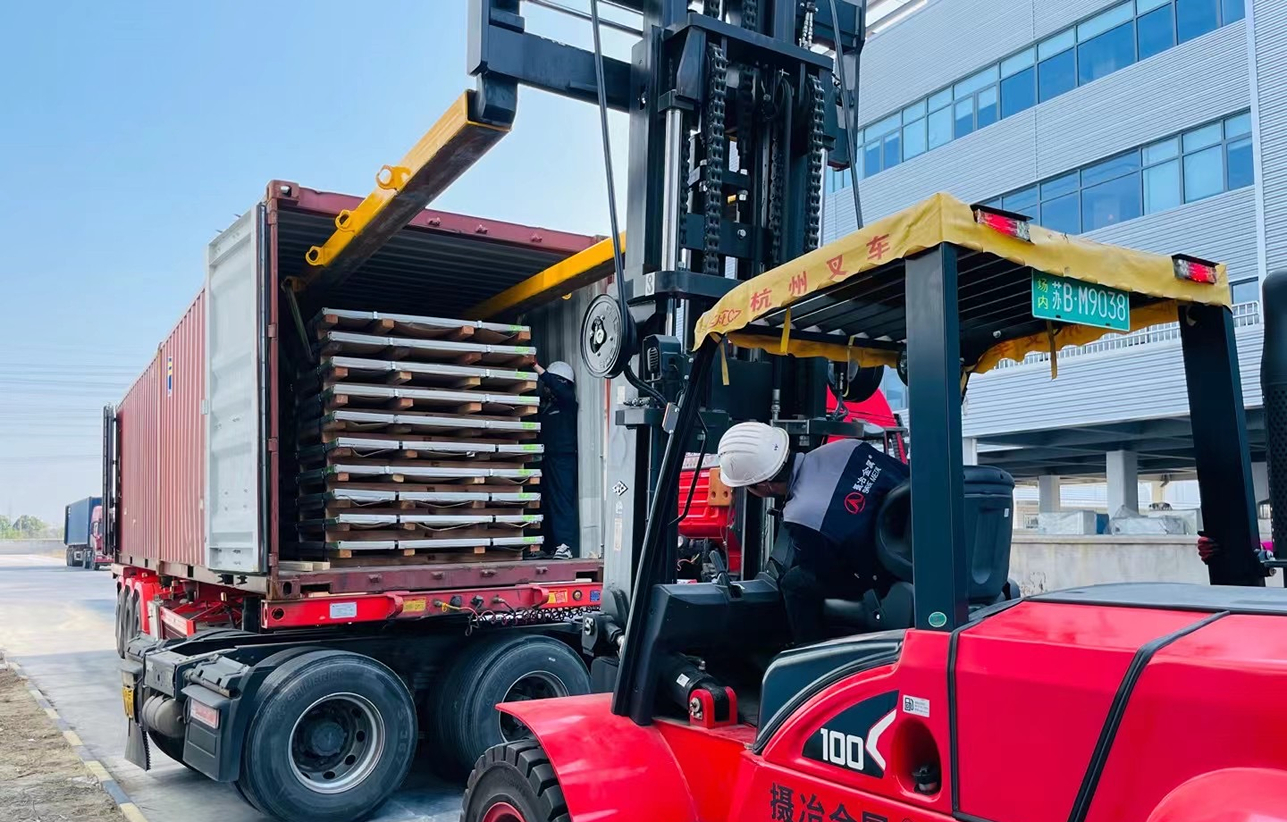
Forklift Loading Stainless Steel Plates for Shipment


310 stainless steel sheet is the high-temperature austenitic grade, 24 to 26 percent chromium and 19 to 22 percent nickel, and its purpose is to resist oxidation and scaling where 304 and 316 fail. It holds a protective oxide film in continuous service to about 1,150 C, roughly 280 degrees beyond the practical ceiling for 304, and its high nickel content keeps the structure stable and resists carburisation. Walmay supplies 310 and the low-carbon 310S to ASTM A240 from 1.0 mm to 30 mm thick, cut to size, with the full grade family covered on our 310 and 310S hub.
| Condition | 310 / 310S | 304 for comparison |
|---|---|---|
| Maximum continuous service in air | About 1,150 C | About 870 C |
| Maximum intermittent or cyclic service | About 1,035 C | About 925 C |
| Continuous exposure to avoid | 650-870 C for long periods | 425-815 C sensitisation |
| Scaling temperature | About 1,150 C | About 900 C |
The counter-intuitive figure is that the intermittent limit is lower than the continuous one. In cyclic service the oxide scale expands and contracts at a different rate to the metal beneath and eventually spalls off, exposing fresh metal to attack on every cycle. A part that survives 1,100 C continuously may fail at 1,050 C if it is heated and cooled daily.
The 650 to 870 C range is worth designing around for a different reason: long exposure there precipitates sigma phase, an intermetallic that makes the material brittle at room temperature. A furnace fixture can work perfectly hot for years and then fracture during cold handling.

Our welding, cutting, bending and heat treatment capabilities are set out on the fabrication page.


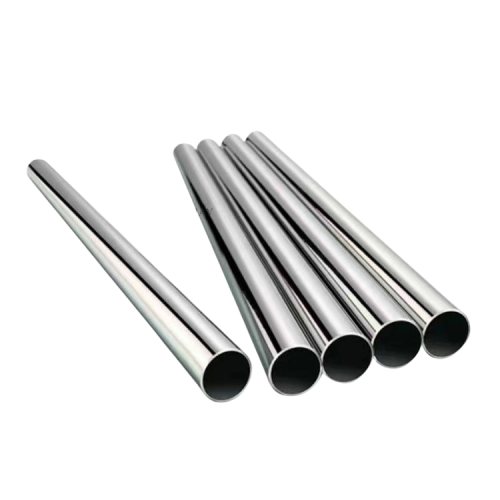
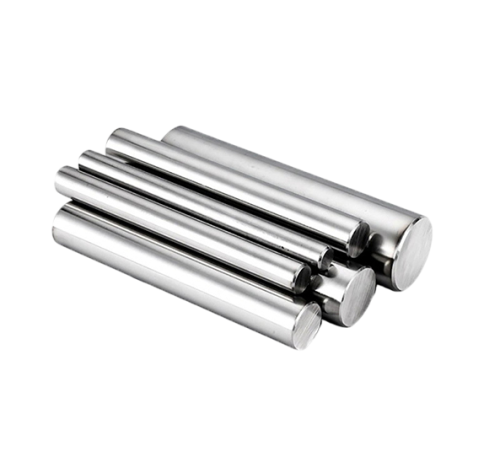
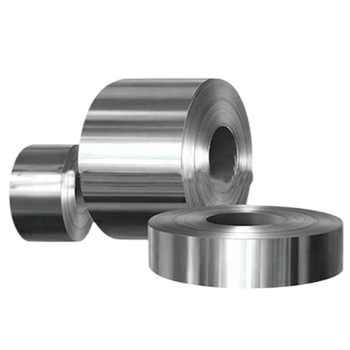
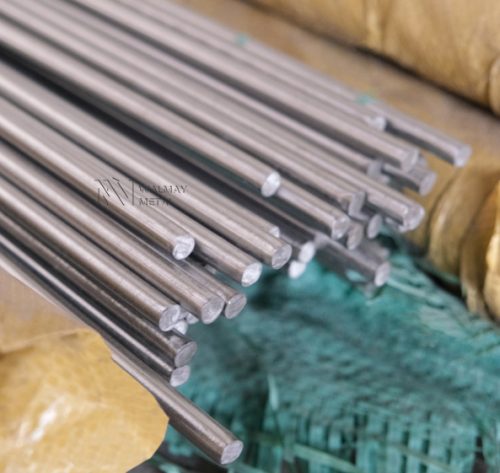
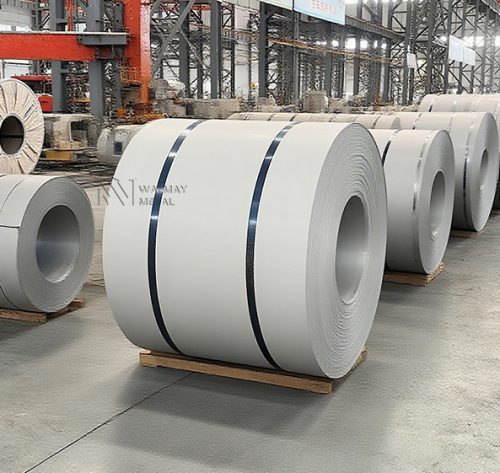
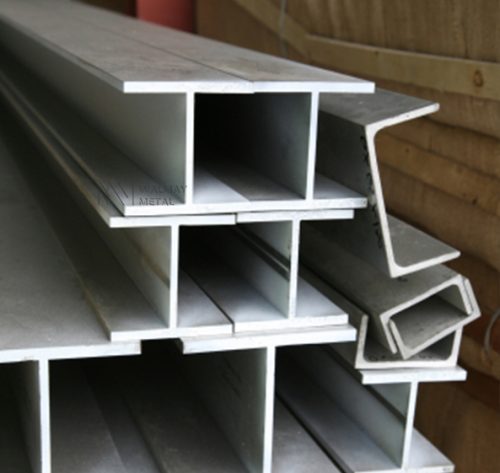
Related products: 310S pipe, 310S round bar, 310S hot rolled coil, 310S H beam, 321 sheet.
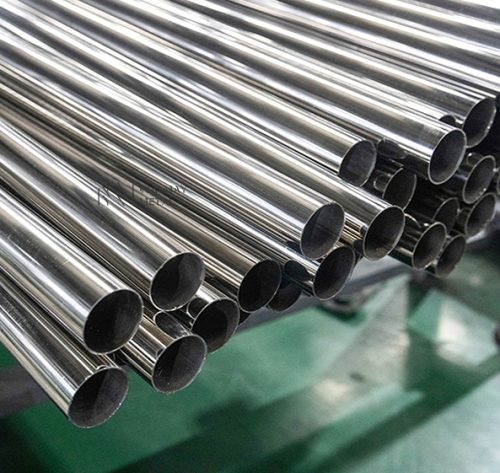
View SS 310 Stainless Steel and 310S: High-Temperature Grades
Walmay will help match the right stainless product form and specification for your application, confirm quantities and packing needs, and provide requested documents based on order requirements.
Loading form…