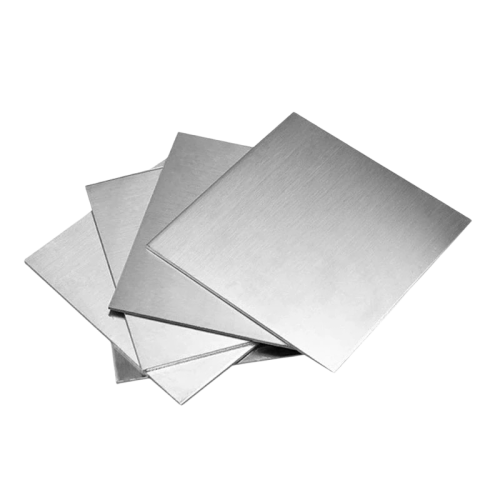
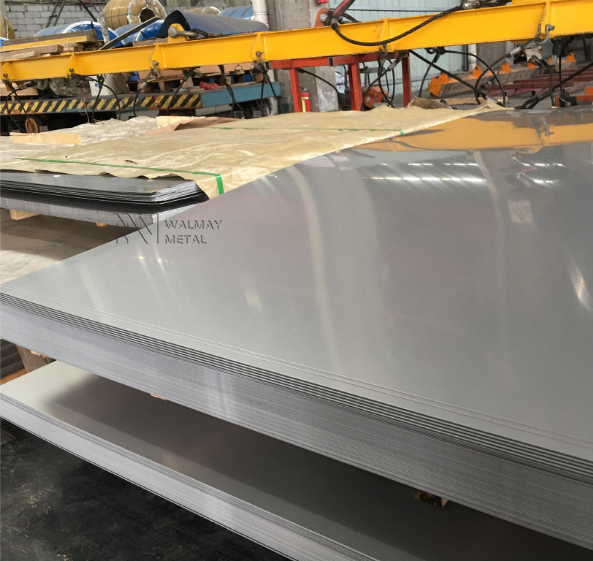
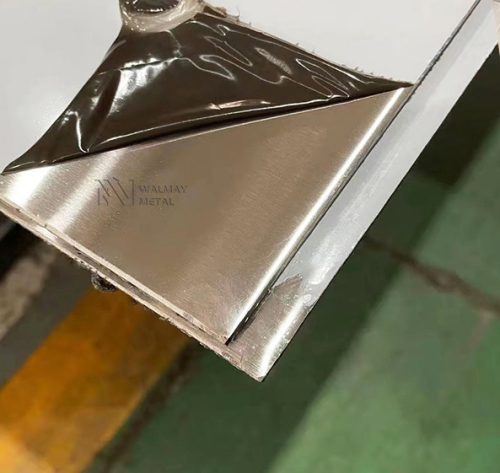
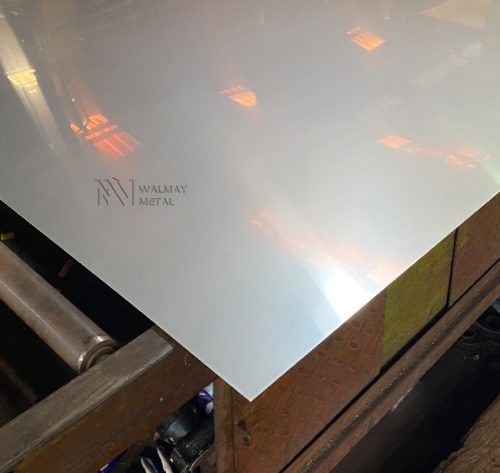
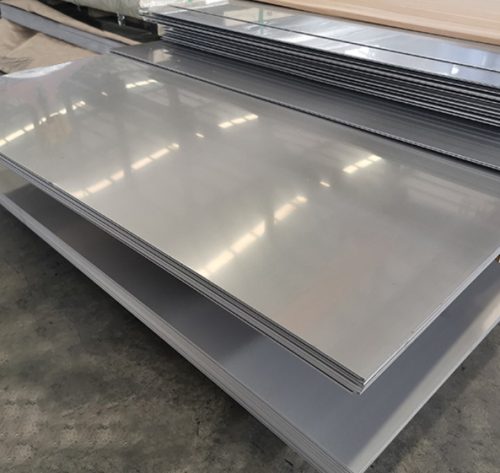
420 stainless steel sheet is the martensitic cutlery grade: 12 to 14 percent chromium with a carbon minimum of 0.15 percent and, in practice, usually 0.30 to 0.45 percent. That carbon is what lets it harden to 50 to 55 HRC after quenching and tempering, which is the hardness a knife edge needs to hold. Walmay supplies it from 0.8 mm to 25 mm thick, annealed for machining and forming or hardened and tempered to your stated hardness, with the tempering temperature recorded on the certificate.
| Item | Detail |
|---|---|
| Grade | 420, UNS S42000, EN 1.4021 / 1.4028 / 1.4034, JIS SUS 420J1 / 420J2 |
| Standards | ASTM A240 for plate, ASTM A276 for bar, EN 10088-2, EN 10088-3 |
| Thickness | 0.8-25 mm |
| Width | 1,000, 1,219, 1,500 mm |
| Length | 2,000, 2,438, 3,000, 6,000 mm, or cut to size |
| Surface | 2B, No.4 or bright annealed on thin gauges, No.1 pickled on plate |
| Condition | Annealed as standard, hardened and tempered on request |
| Structure | Martensitic, magnetic in all conditions |
| Certification | EN 10204 3.1 with analysis, hardness report when heat treated |
| Element | 420 general | 420A / 1.4021 | 420B / 1.4028 | 420C / 1.4034 |
|---|---|---|---|---|
| Carbon | 0.15 min | 0.16-0.25 | 0.26-0.35 | 0.43-0.50 |
| Chromium | 12.0-14.0 | 12.0-14.0 | 12.0-14.0 | 12.5-14.5 |
| Manganese | 1.00 max | 1.00 max | 1.00 max | 1.00 max |
| Silicon | 1.00 max | 1.00 max | 1.00 max | 1.00 max |
| Nickel | 0.75 max | - | - | - |
| Typical hardness after QT | 48-55 HRC | 45-50 HRC | 50-54 HRC | 54-58 HRC |
The single number to fix on a purchase order is carbon, because everything else follows from it. Two heats both stamped 420 can differ by 0.25 percent carbon and by nearly ten Rockwell points in achievable hardness. For blade work, state the target carbon range or the EN variant, not just the grade number.
| Property | Annealed | Hardened and tempered at 200 C | Hardened and tempered at 600 C |
|---|---|---|---|
| Hardness | 200-230 HB, about 20 HRC | 50-55 HRC | 30-35 HRC |
| Yield strength | 345 MPa | About 1,400 MPa | About 900 MPa |
| Tensile strength | 655 MPa | About 1,700 MPa | About 1,100 MPa |
| Elongation | 20 percent | 3-5 percent | 12-15 percent |
| Toughness | Good | Low | Moderate |
| Density | 7.7 g/cm3 | 7.7 g/cm3 | 7.7 g/cm3 |
| Maximum service temperature | About 425 C, limited by tempering |
| Operation | Temperature | Cooling | Result |
|---|---|---|---|
| Annealing, full | 840-900 C | Slow furnace cool | 200-230 HB, machinable |
| Process annealing | 735-785 C | Air | Stress relief between operations |
| Hardening | 980-1,035 C | Oil or air quench | 52-58 HRC as quenched |
| Tempering, low | 150-370 C | Air | Maximum hardness, 50-55 HRC |
| Tempering, high | 600-750 C | Air | Toughness at 30-35 HRC |
| Avoid | 425-600 C | - | Loss of toughness and corrosion resistance |
| Cryogenic sub-zero step | Minus 70 C after quench | - | Converts retained austenite, adds 1-2 HRC |
Tempering in the 425 to 600 C band gives the worst of both worlds, lower hardness and reduced corrosion resistance, so it should be excluded on the drawing. Every hardened 420 part should be passivated after final grinding, because grinding exposes fresh metal and carbides that have not yet formed a passive film.
| Criterion | 420 | 410 | 440C | 304 |
|---|---|---|---|---|
| Carbon | 0.15 min, often 0.30-0.45 | 0.08-0.15 | 0.95-1.20 | 0.08 max |
| Chromium | 12-14 percent | 11.5-13.5 percent | 16-18 percent | 18-20 percent |
| Attainable hardness | 50-55 HRC | 45 HRC | 58-60 HRC | Not hardenable by heat treatment |
| Edge retention | Good | Moderate | Excellent | Poor |
| Toughness when hard | Low | Moderate | Very low, chips | High, but soft |
| Corrosion resistance | Modest | Modest | Modest to good | Good |
| Weldability | Very poor | Poor | Not practical | Excellent |
| Sharpening ease | Easy | Easy | Difficult | Very easy |
| Typical use | Knives, scissors, moulds, shafts | Wear parts, valve trim | Bearings, premium blades | Tanks, panels, general |
The 420 versus 440C question is a genuine trade-off rather than a ranking. 440C holds an edge longer because it reaches 58 to 60 HRC on nearly 1 percent carbon, but it is brittle enough to chip on a hard impact and it is far harder to resharpen. 420 sacrifices some edge retention for toughness and easy maintenance, which is why it dominates kitchen cutlery, scissors and surgical instruments while 440C sits in bearings and premium blades. 304 does not compete at all here: it cannot be hardened by heat treatment and an edge in 304 rolls over immediately.
| Item | Detail |
|---|---|
| Minimum order | 500 kg for stock sizes, 1 tonne for cut plate |
| Lead time from stock | 10-14 days |
| Lead time mill run | 40-55 days |
| Delivery condition | Annealed, or hardened and tempered to a stated hardness |
| Documentation | EN 10204 3.1, hardness report, tempering temperature stated |
| Incoterms | FOB, CIF, DAP |
Specify the thickness, size, quantity, carbon range or EN variant, and whether you want annealed or heat-treated material. For blade work, tell us the target hardness and we will confirm the achievable range for the carbon level available.
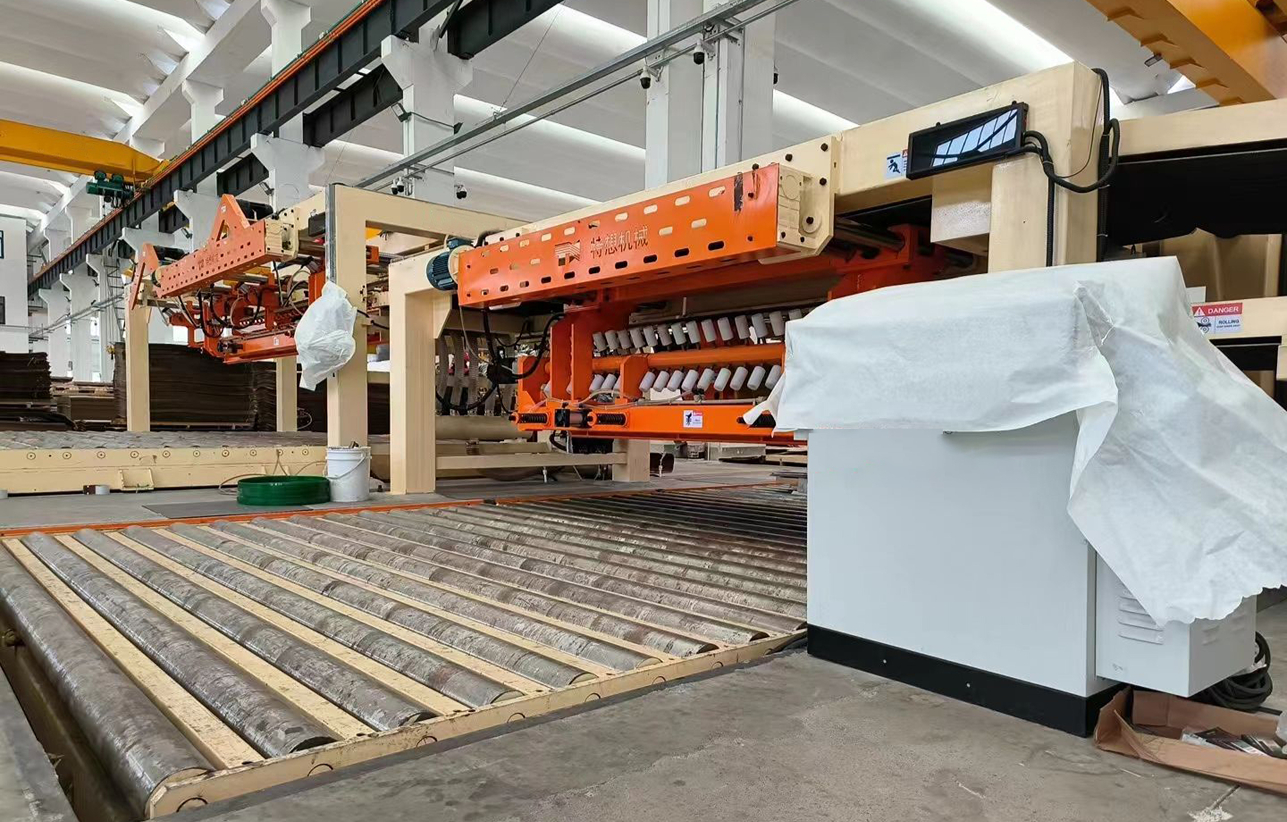
Stainless Steel Plate Bending/Stamping Process
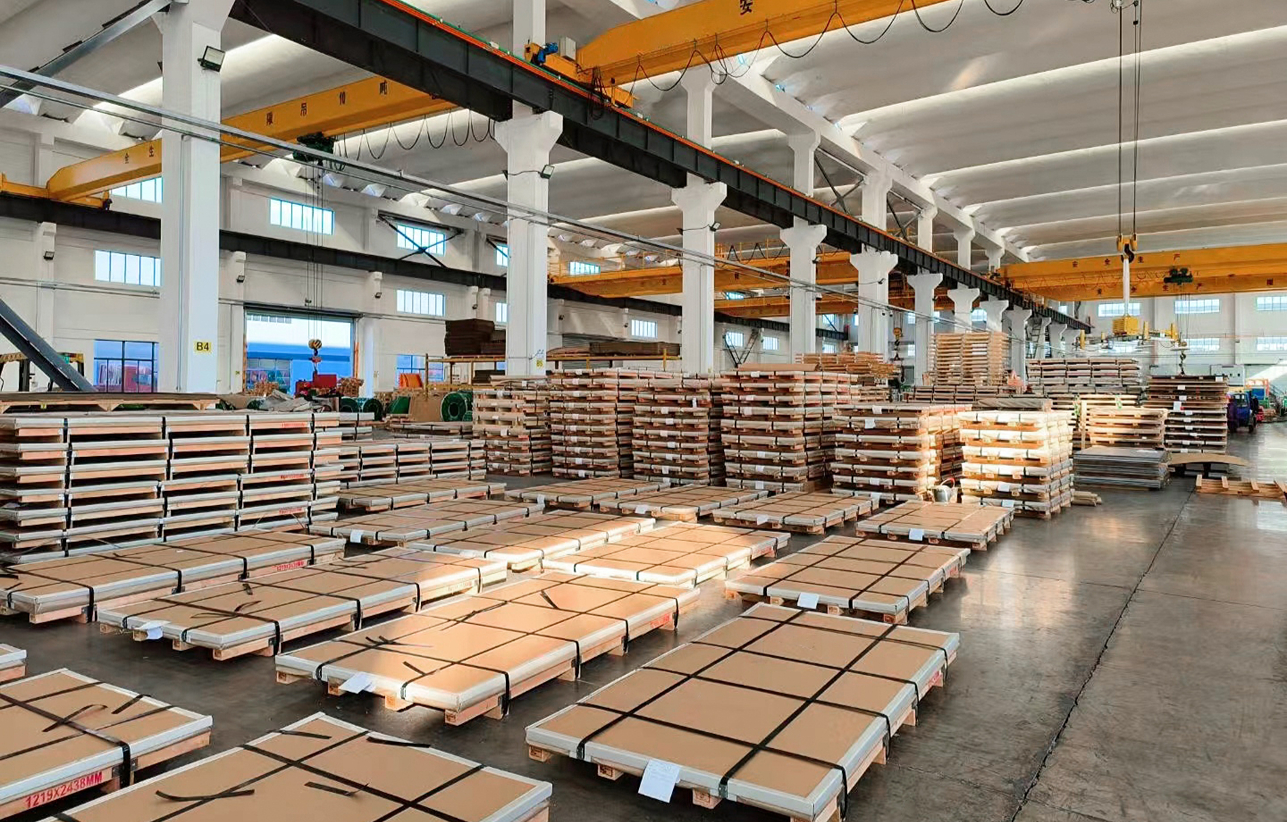
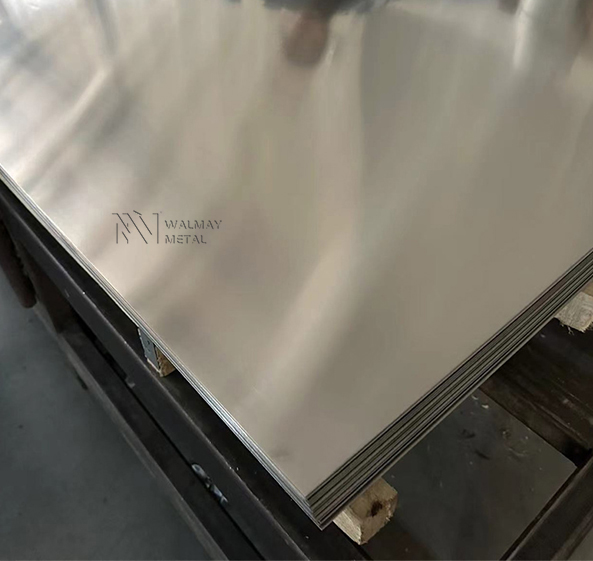
Stainless Steel Plates on Storage Rack
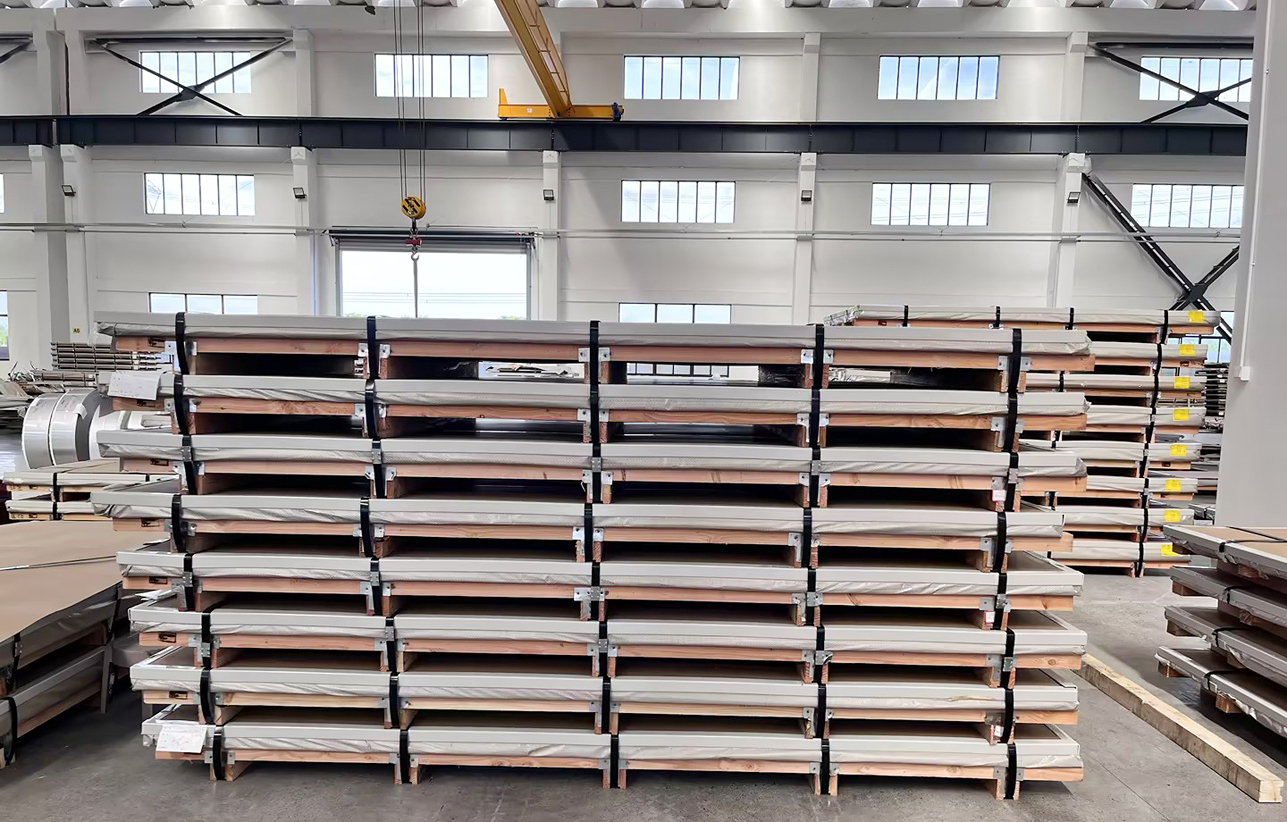
Palletized Stainless Steel Plates
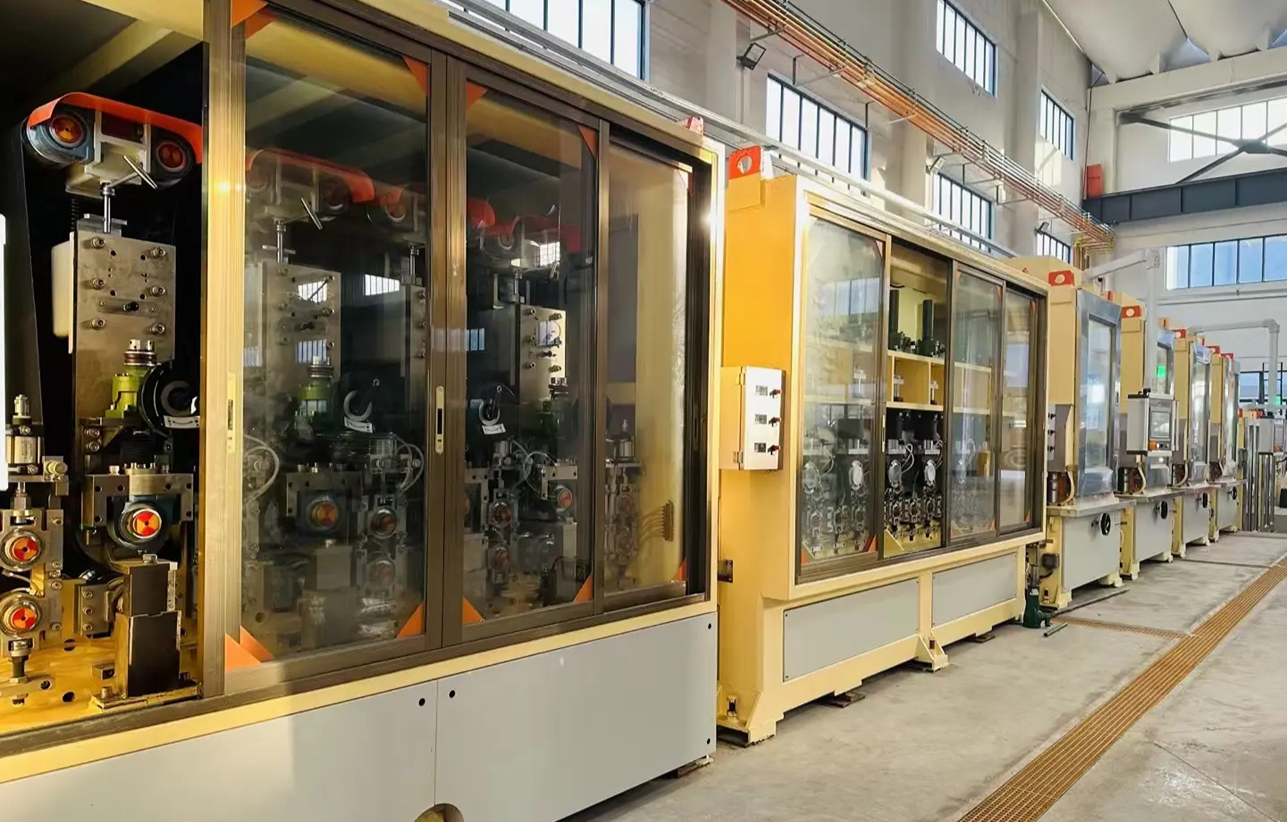
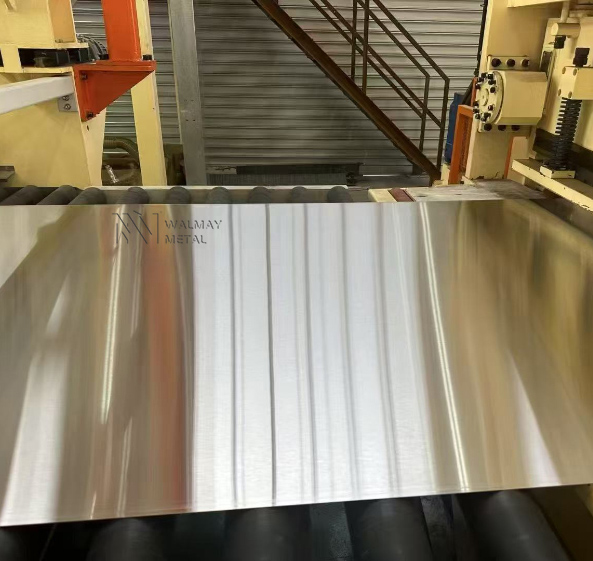
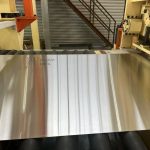
Stainless Steel Plate Rolling Line
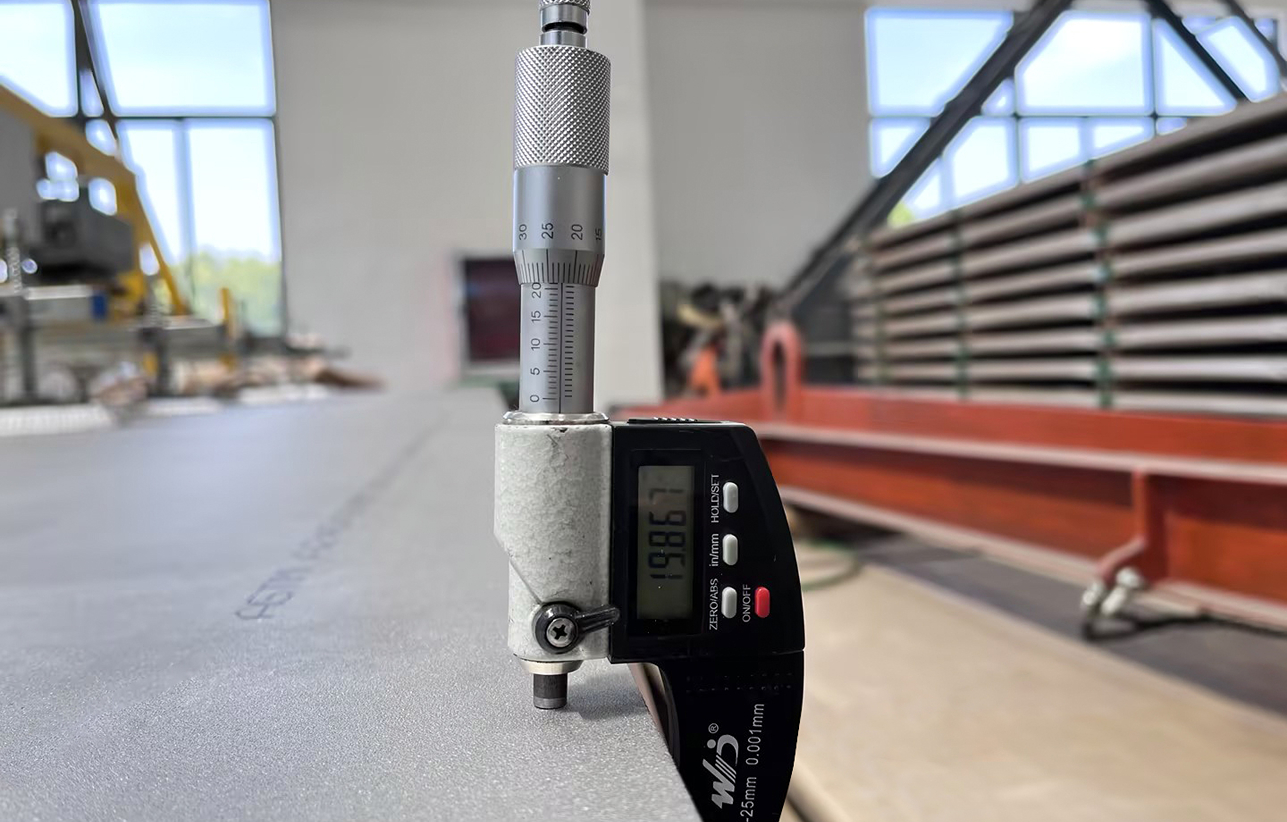
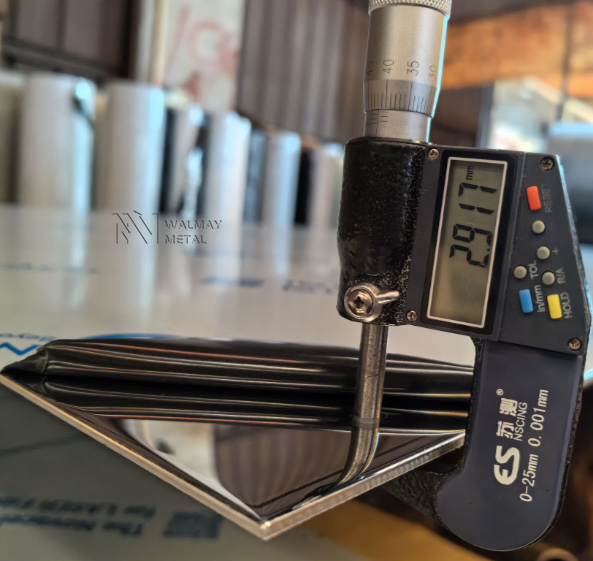
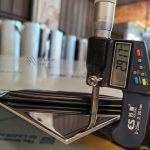
Precision Thickness Inspection of Stainless Steel Plate
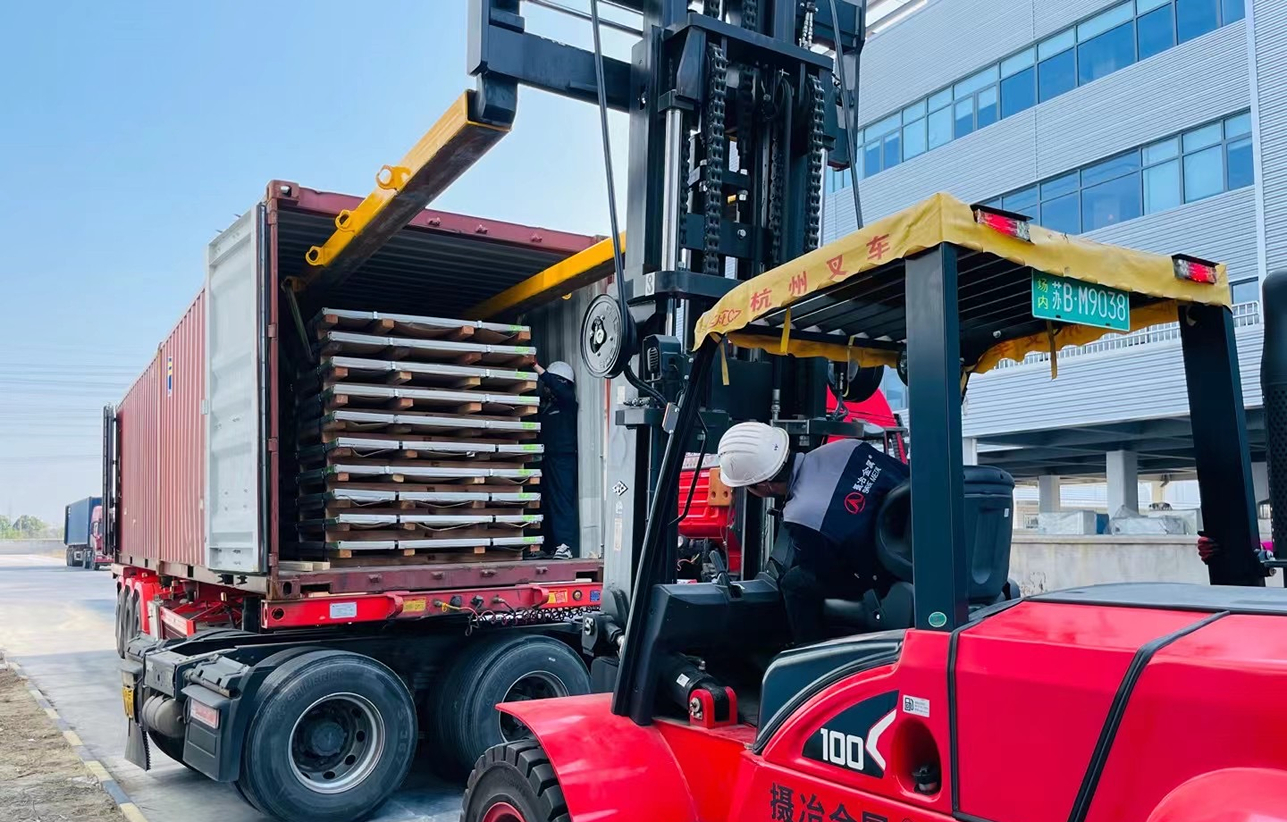
Forklift Loading Stainless Steel Plates for Shipment


420 stainless steel sheet is the martensitic cutlery grade: 12 to 14 percent chromium with a carbon minimum of 0.15 percent and, in practice, usually 0.30 to 0.45 percent. That carbon is what lets it harden to 50 to 55 HRC after quenching and tempering, which is the hardness a knife edge needs to hold. Walmay supplies it from 0.8 mm to 25 mm thick, annealed for machining and forming or hardened and tempered to your stated hardness, with the tempering temperature recorded on the certificate.

420 is stainless, not stain-proof. Its corrosion resistance comes from 12 to 14 percent chromium, but a good part of that chromium is consumed as carbides in the hardened condition, so it performs well below 304 and poorly against chlorides. Three practices matter:


Buy annealed material, complete every cutting, drilling and forming operation, then heat treat. In the annealed condition it machines reasonably at around 200 to 230 HB, though not as freely as 303. Forming is limited to gentle bends. Welding is effectively impractical: the heat-affected zone becomes hard, brittle martensite and cracks readily, so if a joint is unavoidable it needs preheat to 200 to 300 C, austenitic or matching filler, and an immediate post-weld temper.
Cutting is best done by waterjet or by abrasive saw, since a laser or plasma cut edge hardens locally and will resist subsequent drilling. Our cutting, heat treatment, polishing and surface treatment lines cover these steps.
Related products: 420 bar, 410 sheet and plate, 430 sheet, 630 / 17-4 PH bar, and the full sheet and plate range.
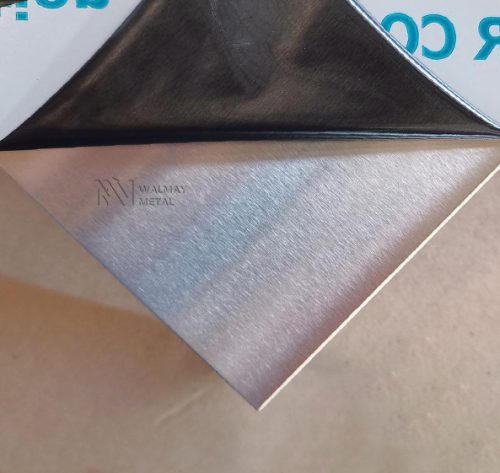
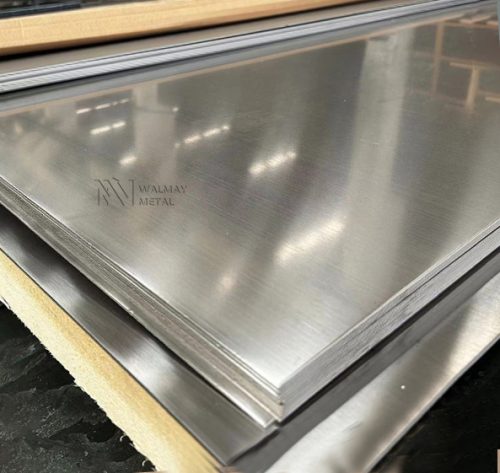
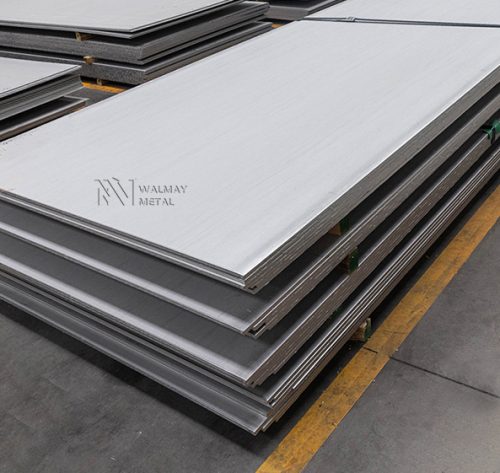

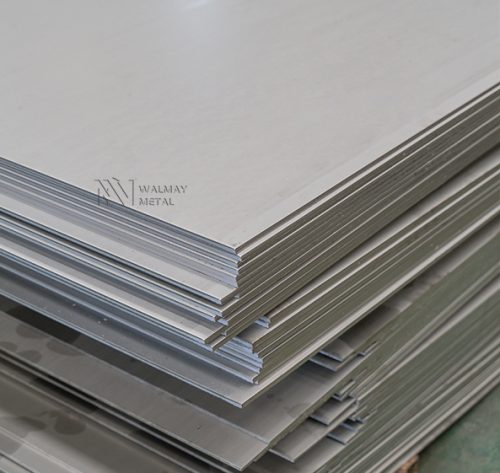
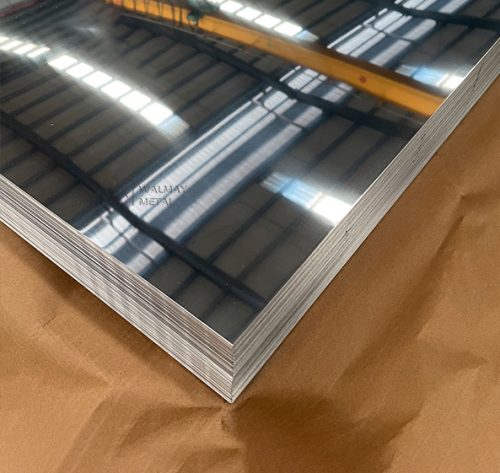
Walmay will help match the right stainless product form and specification for your application, confirm quantities and packing needs, and provide requested documents based on order requirements.
Loading form…