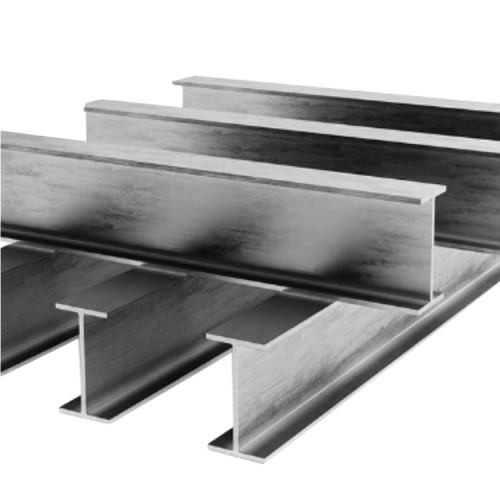
Stainless steel flat bar is solid rectangular section supplied in straight lengths, used for brackets, base plates, frames, machined blanks, edge trim and structural stiffeners. Walmay stocks it in 304, 304L, 316L and 316 from 10x3 mm to 200x50 mm, hot rolled with a pickled surface or cold drawn with tighter tolerances and a bright finish, in 3 metre and 6 metre lengths or cut to size. All flat bars are supplied to ASTM A276 or EN 10088-3 with an EN 10204 3.1 certificate.
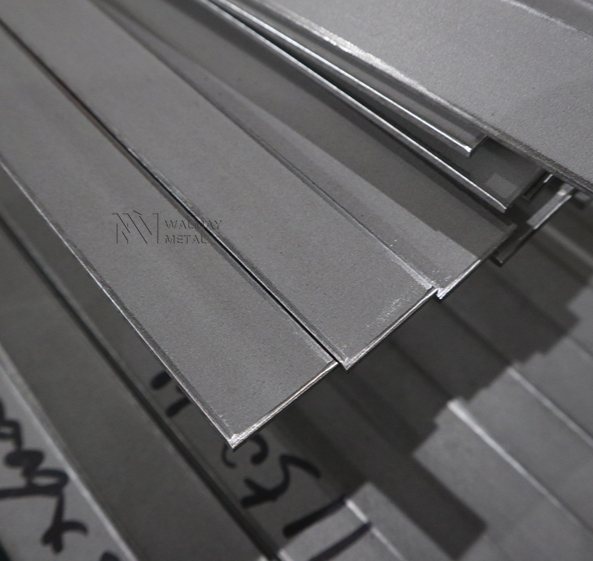
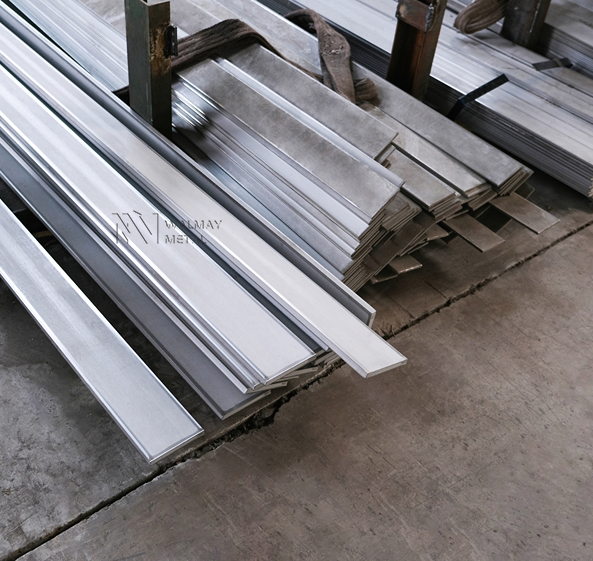
Weight per metre is width multiplied by thickness in millimetres multiplied by 0.008 for austenitic grades.
| Section | Weight per metre | Weight per 6 m length |
|---|---|---|
| 10x3 mm | 0.24 kg | 1.4 kg |
| 12x3 mm | 0.29 kg | 1.7 kg |
| 16x3 mm | 0.38 kg | 2.3 kg |
| 20x3 mm | 0.48 kg | 2.9 kg |
| 20x5 mm | 0.80 kg | 4.8 kg |
| 25x3 mm | 0.60 kg | 3.6 kg |
| 25x5 mm | 1.00 kg | 6.0 kg |
| 25x6 mm | 1.20 kg | 7.2 kg |
| 30x5 mm | 1.20 kg | 7.2 kg |
| 30x10 mm | 2.40 kg | 14.4 kg |
| 40x5 mm | 1.60 kg | 9.6 kg |
| 40x10 mm | 3.20 kg | 19.2 kg |
| 50x6 mm | 2.40 kg | 14.4 kg |
| 50x10 mm | 4.00 kg | 24.0 kg |
| 50x20 mm | 8.00 kg | 48.0 kg |
| 60x10 mm | 4.80 kg | 28.8 kg |
| 75x10 mm | 6.00 kg | 36.0 kg |
| 80x20 mm | 12.80 kg | 76.8 kg |
| 100x10 mm | 8.00 kg | 48.0 kg |
| 100x20 mm | 16.00 kg | 96.0 kg |
| 150x20 mm | 24.00 kg | 144.0 kg |
| 200x30 mm | 48.00 kg | 288.0 kg |
Imperial stock covers 1/2 to 8 inch widths in 1/8, 3/16, 1/4, 3/8, 1/2, 3/4 and 1 inch thicknesses.
| Aspect | Hot rolled, pickled | Cold drawn, bright |
|---|---|---|
| Surface | Matte grey, slightly rough | Smooth, bright |
| Thickness tolerance | Plus or minus 0.3 to 0.8 mm depending on size | Plus or minus 0.1 mm |
| Width tolerance | Plus or minus 0.5 to 1.5 mm | Plus or minus 0.15 mm |
| Edges | Slightly rounded as rolled | Square, sharp |
| Straightness | 2-3 mm per metre | Under 1 mm per metre |
| Available sizes | The full range, especially heavy sections | Mainly up to 100x25 mm |
| Cost | Baseline | 15-30 percent higher |
| Best for | Brackets, welded structures, machining blanks | Precision parts, visible trim, sliding fits |
The decision is usually about tolerance rather than appearance. If a part will be machined all over, buy hot rolled and take the cost saving. If it needs to fit a slot, sit flush against a machined face, or be used as visible trim, buy cold drawn.
| Item | Detail |
|---|---|
| Grades | 304, 304L, 316, 316L, 321, 410, 420, 430, 2205 duplex, 904L |
| Standards | ASTM A276, ASTM A479 for pressure work, EN 10088-3, JIS G4303 |
| Size range | 10x3 mm to 200x50 mm |
| Length | 3 m, 6 m, or cut to length plus or minus 1 mm |
| Condition | Hot rolled annealed and pickled, or cold drawn |
| Surface options | Pickled, bright drawn, No.4 polished, mirror polished |
| Certification | EN 10204 3.1 with full analysis and mechanical results |
| Grade | Yield strength | Character | Where it belongs |
|---|---|---|---|
| 304 / 304L | 205 / 170 MPa | The general default, weldable, formable | Brackets, frames, general fabrication |
| 316 / 316L | 205 / 170 MPa | 2-3 percent molybdenum, chloride resistant | Coastal, marine, chemical, food with aggressive cleaning |
| 321 | 205 MPa | Titanium stabilised | Hot service in the 425-815 C band |
| 430 | 205 MPa | Ferritic, no nickel, magnetic | Dry indoor trim, cost-driven work |
| 410 | 275 MPa annealed | Martensitic, hardenable to 45 HRC | Wear parts, valve components |
| 420 | 345 MPa annealed | Martensitic, hardenable to 55 HRC | Blades, moulds, hard wear parts |
| 2205 duplex | 450 MPa | Twice the strength of 316L, PREN 35 | High-strength corrosion service |
| 904L | 220 MPa | 4-5 percent molybdenum plus copper | Sulphuric and phosphoric acid |
For flat bar specifically, the strength difference between grades is often what decides the section. A 2205 bracket can be roughly half the thickness of a 316L one for the same load, which sometimes reverses the apparent cost difference.
| Item | Detail |
|---|---|
| Minimum order | 500 kg from stock, 2 tonnes for mill sizes |
| Lead time from stock | 7-12 days |
| Lead time mill run | 30-45 days |
| Stock range | 20x3 to 100x20 mm in 304 and 316L, hot rolled and cold drawn |
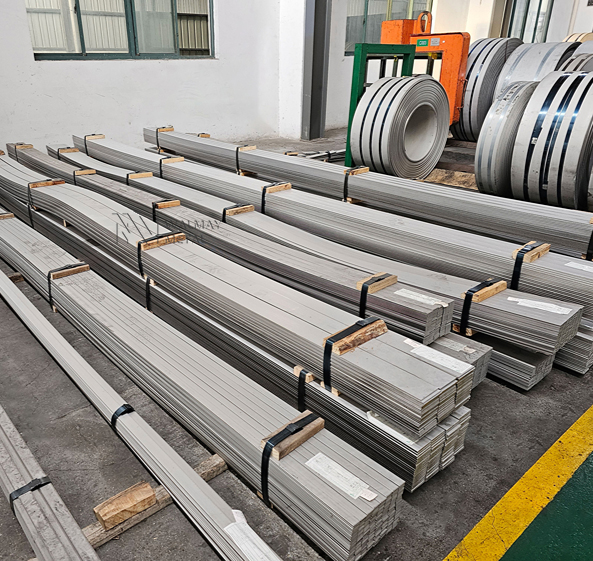
| Packing | Bundled and strapped on timber bearers, film on polished bar |
| Incoterms | FOB, CIF, DAP |
Send the section, grade, hot rolled or cold drawn, length or cut list, and any edge or surface requirement. Related products: 316 rod and flat bar, 304 round bar, square bar, hex bar, angle bar, channel, and the full bar and rod range.
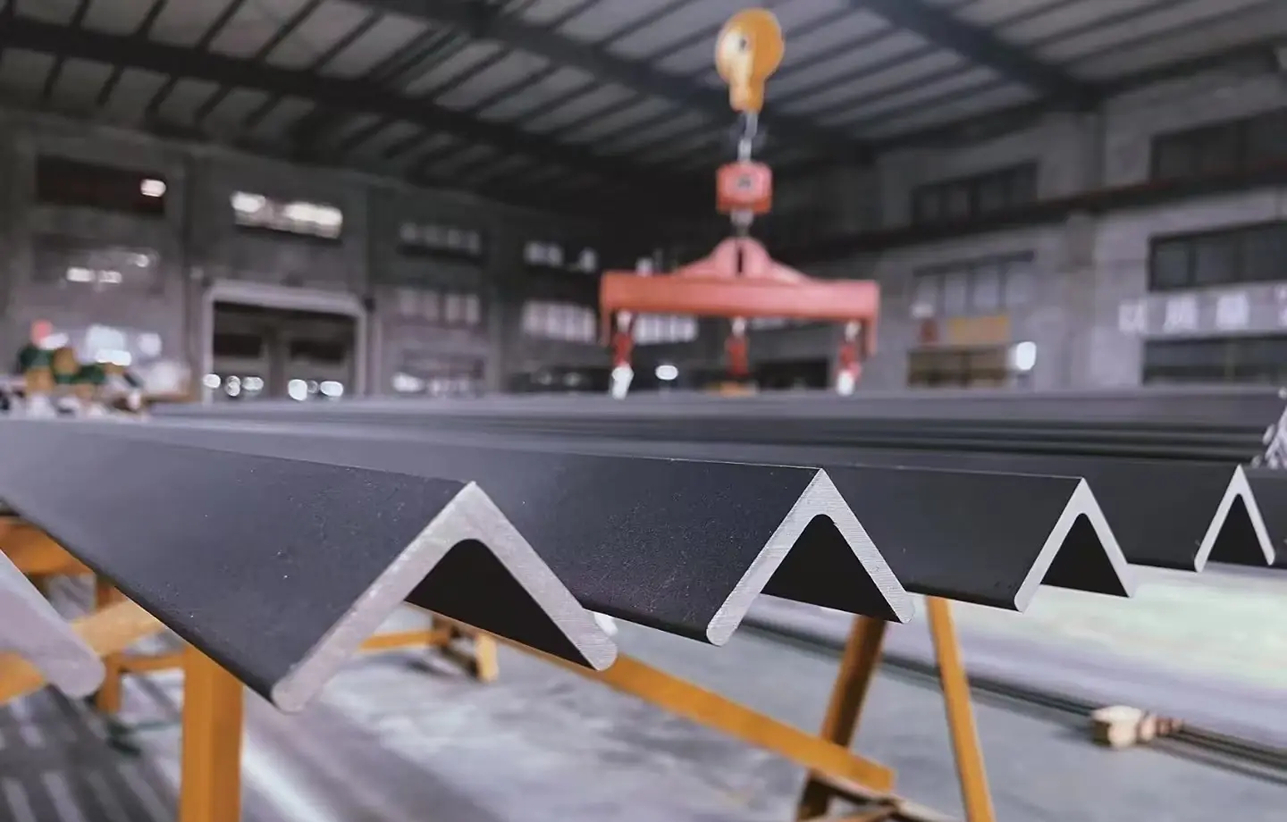
Stainless Steel Profiles on Storage Racks
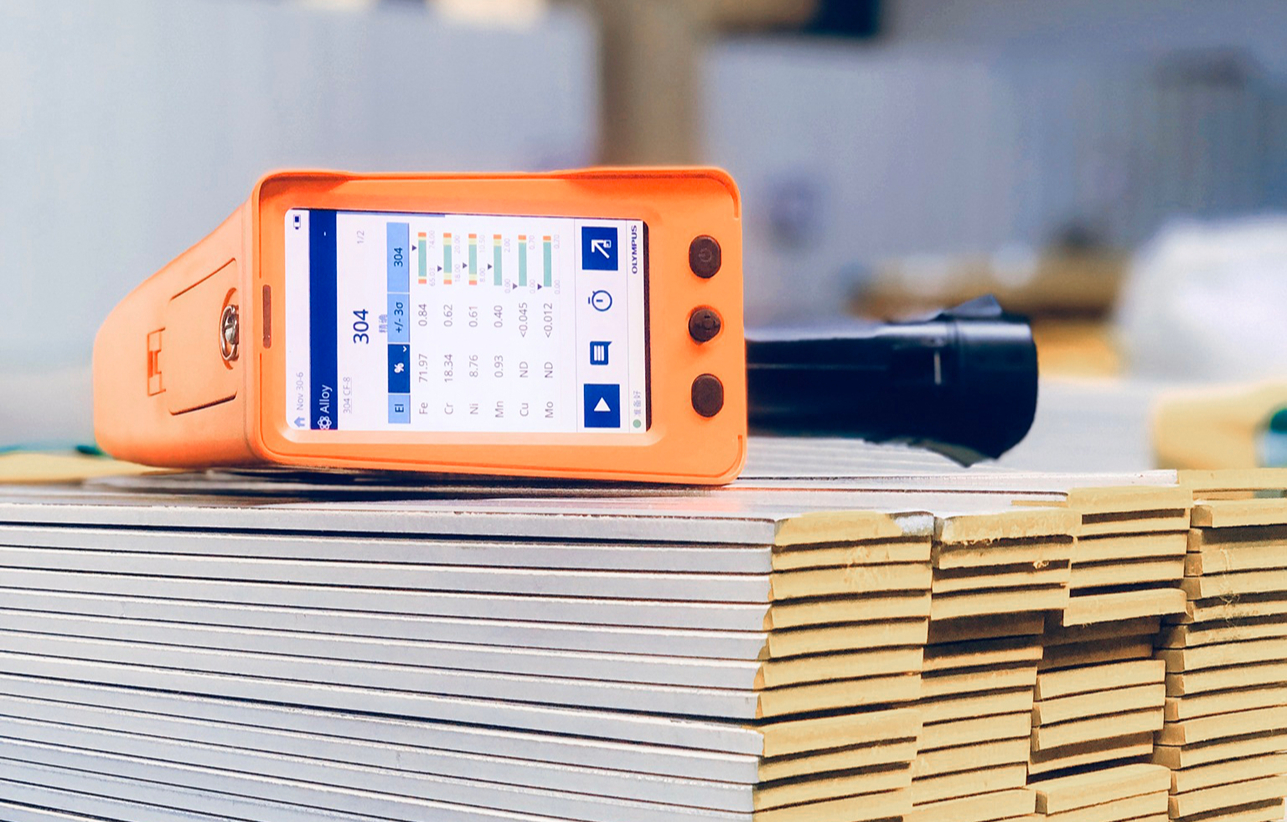
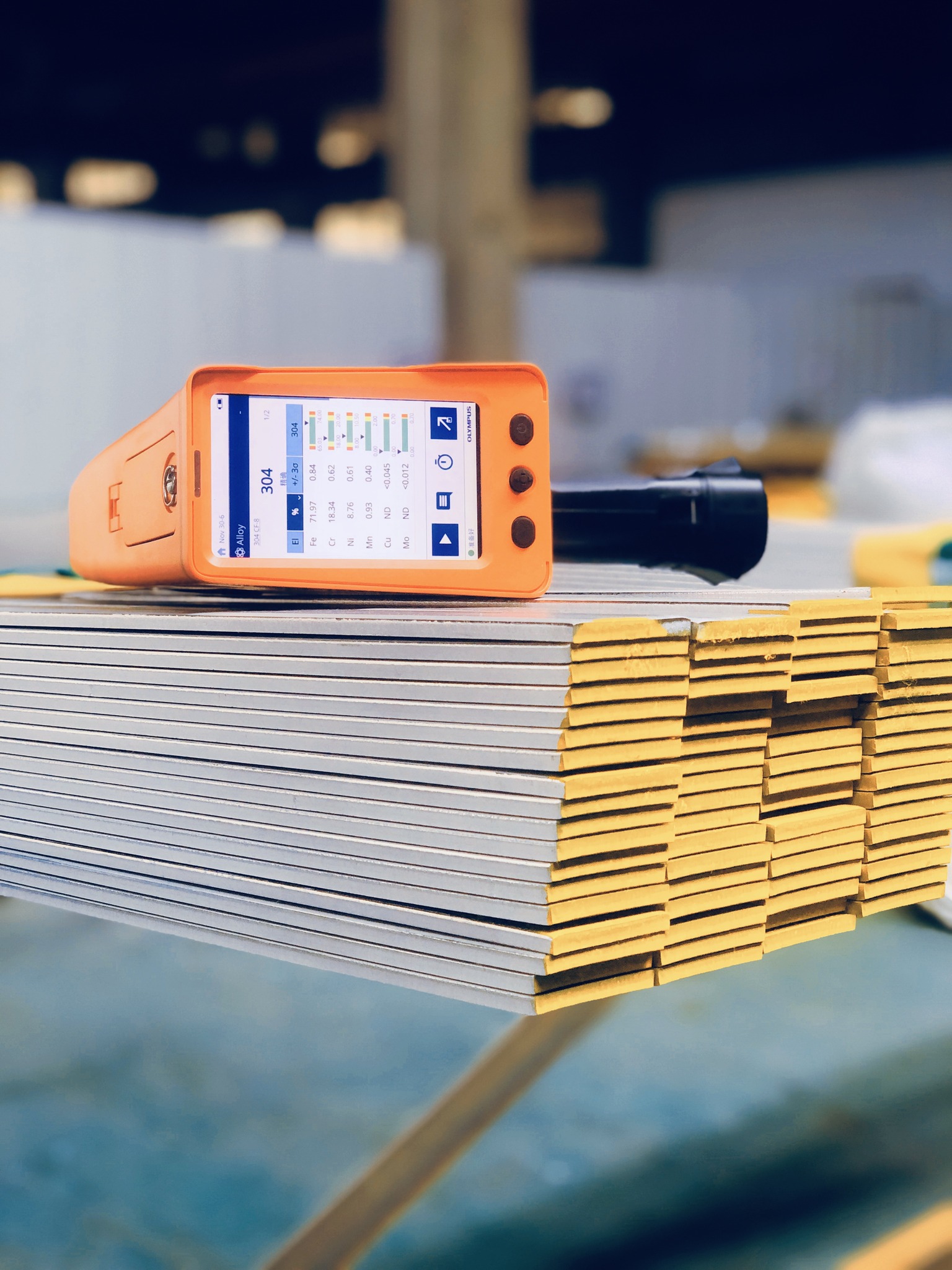
Spectrometer for Alloy Composition Analysis
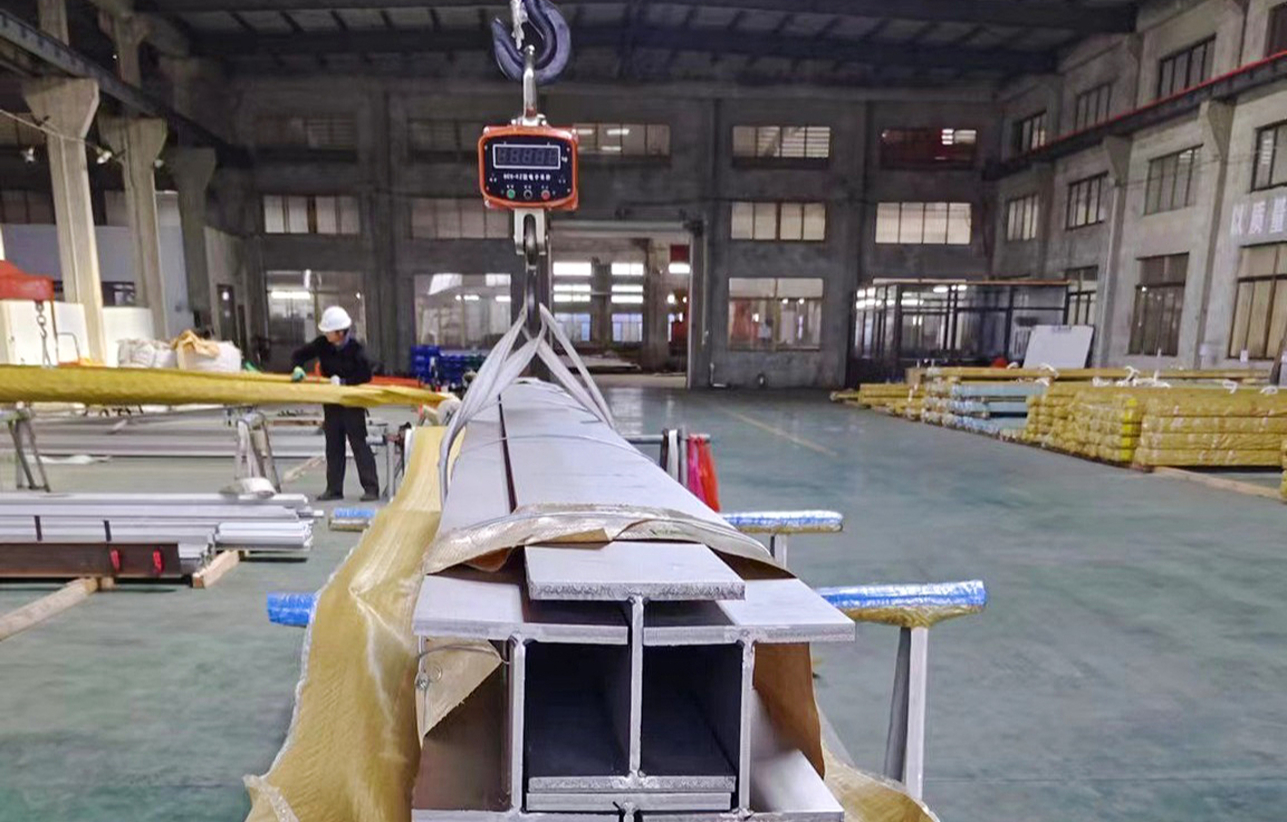
Profile Weighing with Crane Scale
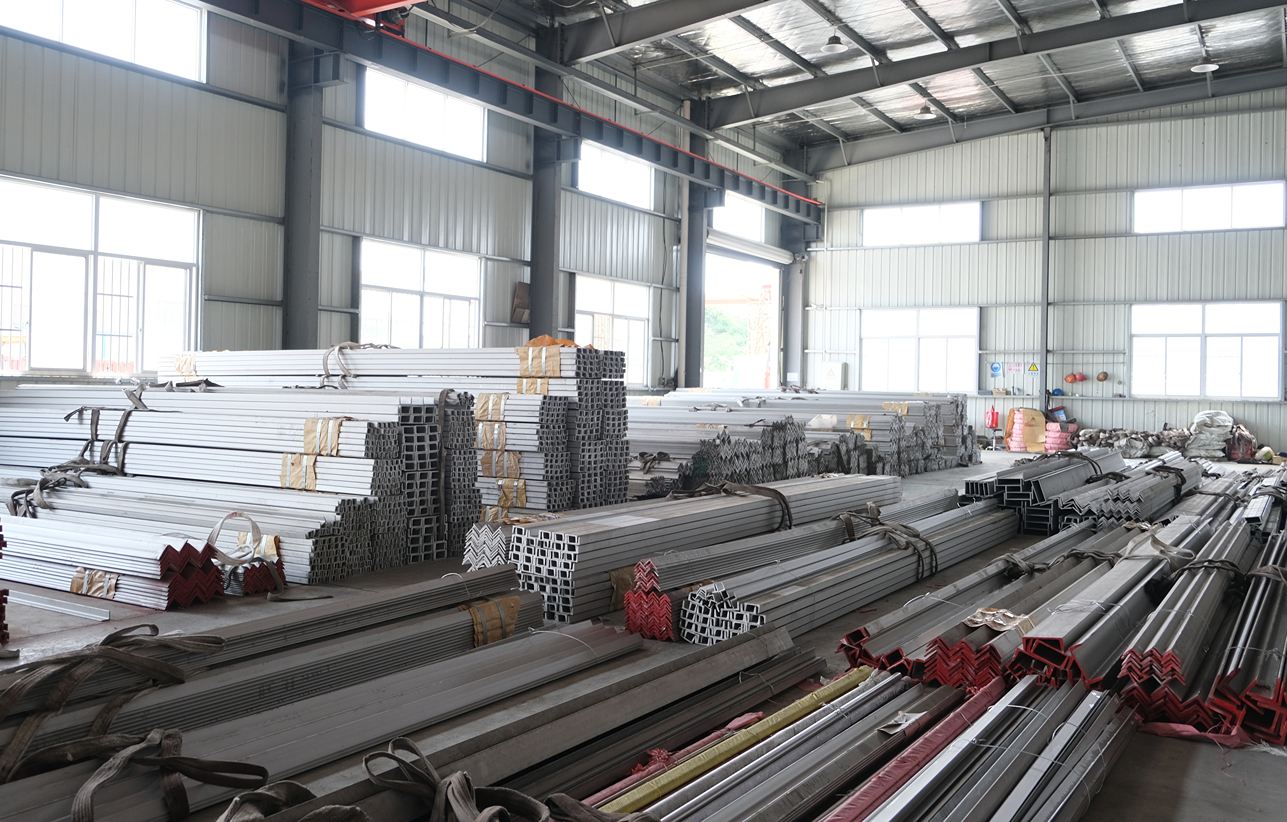
Factory Stacking of Stainless Steel Profiles
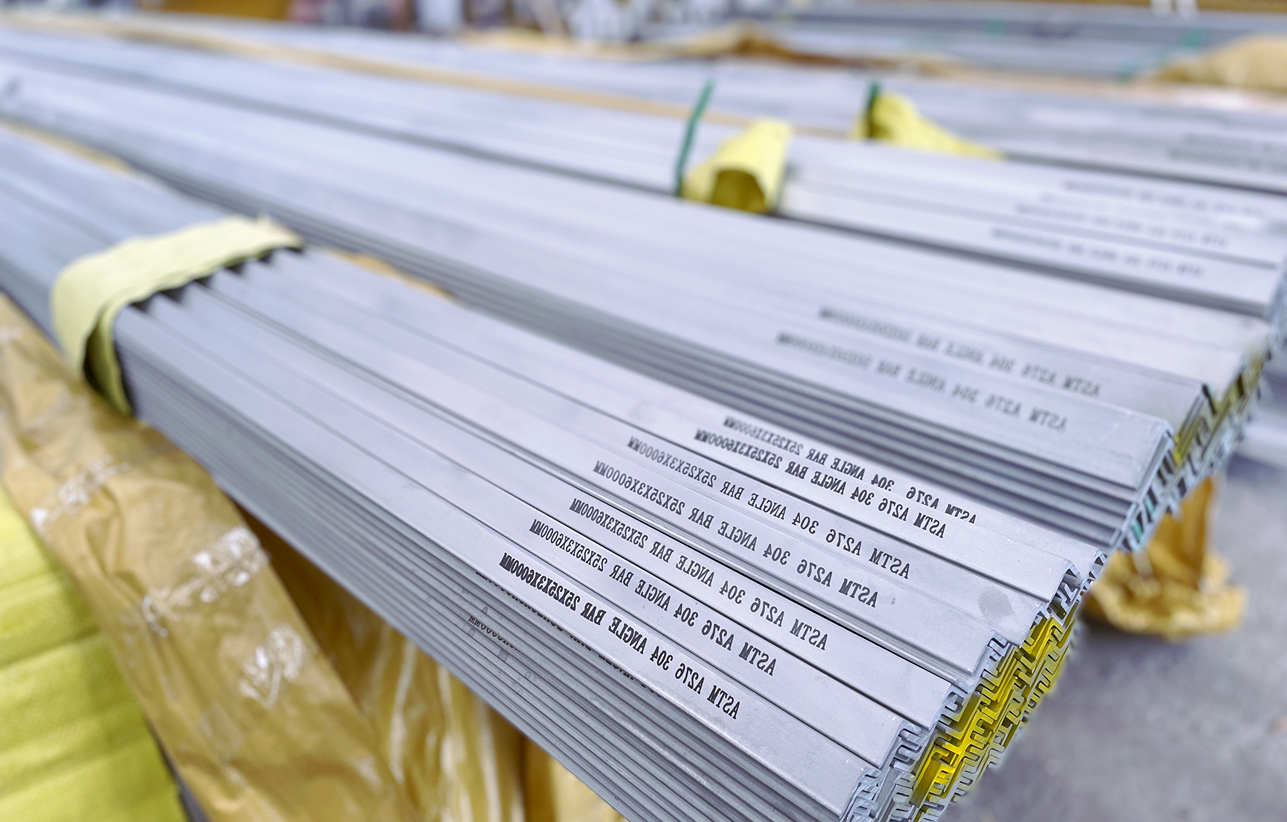
Packaged Stainless Steel Profiles for Shipment
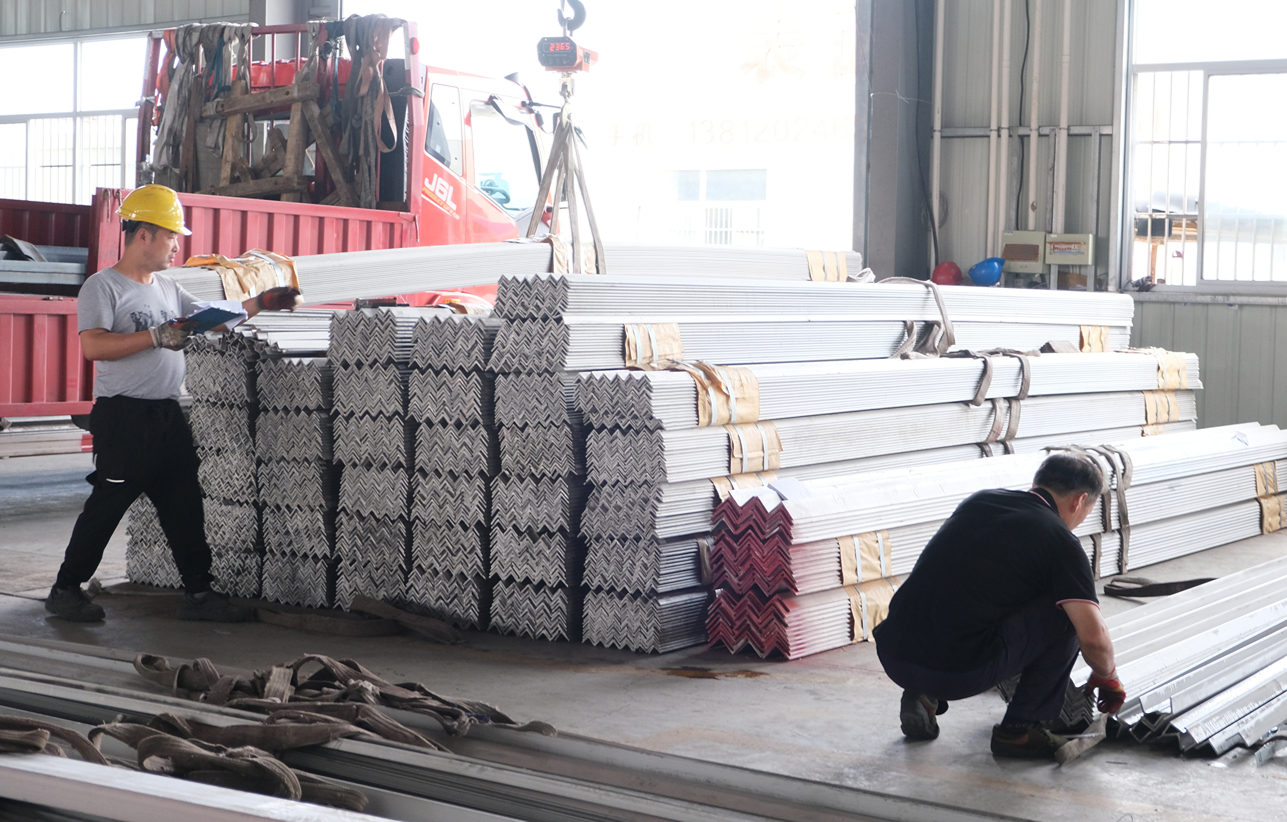
Worker Loading Profiles onto Truck


Stainless steel flat bar is solid rectangular section supplied in straight lengths, used for brackets, base plates, frames, machined blanks, edge trim and structural stiffeners. Walmay stocks it in 304, 304L, 316L and 316 from 10x3 mm to 200x50 mm, hot rolled with a pickled surface or cold drawn with tighter tolerances and a bright finish, in 3 metre and 6 metre lengths or cut to size. All flat bars are supplied to ASTM A276 or EN 10088-3 with an EN 10204 3.1 certificate.
Flat bar in austenitic grades bends readily, and the practical limits are worth knowing before a fabrication is drawn.
| Consideration | Guidance |
|---|---|
| Minimum inside bend radius, 304 and 316L | 1 times thickness for thin bar, 1.5 to 2 times above 10 mm |
| Springback | 2 to 4 degrees more than mild steel at a 90 degree bend, so overbend |
| Bend orientation | Bending across the width, the easy way, is straightforward; bending on edge needs a roller or induction bending |
| Work hardening | The bend zone hardens, which is why repeated bending in the same place cracks |
| Ferritic 430 | Keep the radius above 1.5 times thickness, elongation is only 22 percent |
| Martensitic 410 and 420 | Bend only in the annealed condition, and expect limited formability |
| Hot bending | Above about 950 C for heavy sections, followed by solution annealing on austenitic grades |
A 304 flat bar of 40x5 mm bends cold in a vice or press brake without difficulty. The same bar in 40x20 mm needs a press or hot work. Bar bent on edge, the hard way, requires a section roller: attempting it in a press brake buckles the bar rather than bending it.
We carry out bending, cutting, drilling, edge finishing, welding and polishing in house, described on the fabrication page.

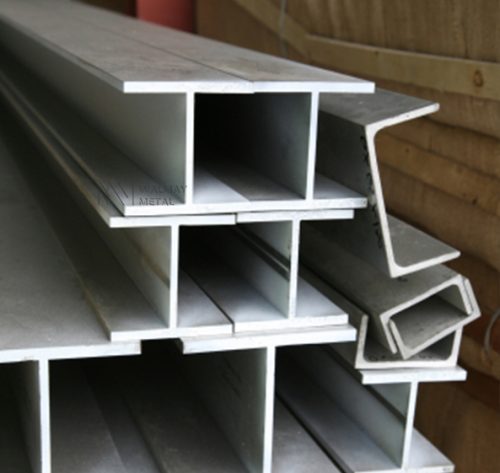
Walmay will help match the right stainless product form and specification for your application, confirm quantities and packing needs, and provide requested documents based on order requirements.
Loading form…