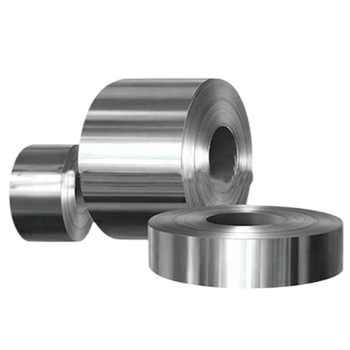
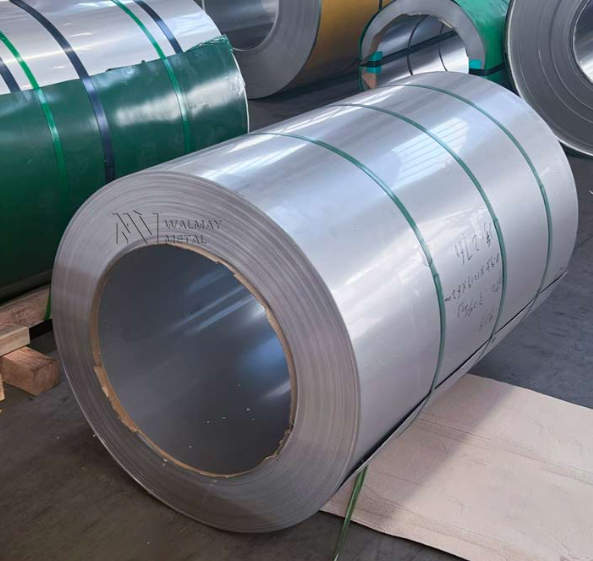
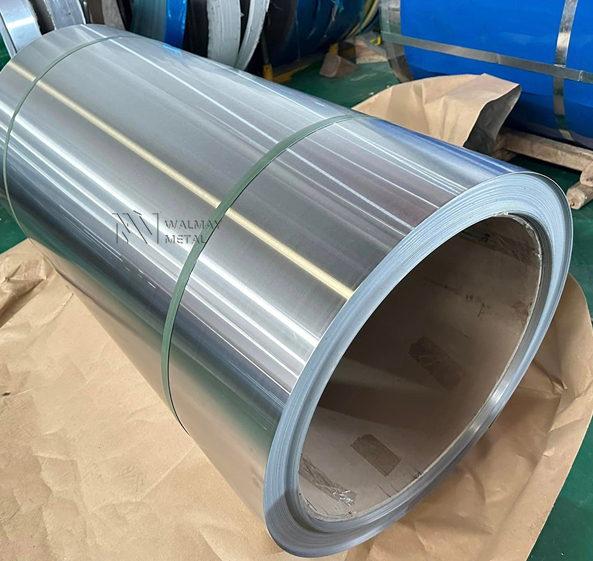
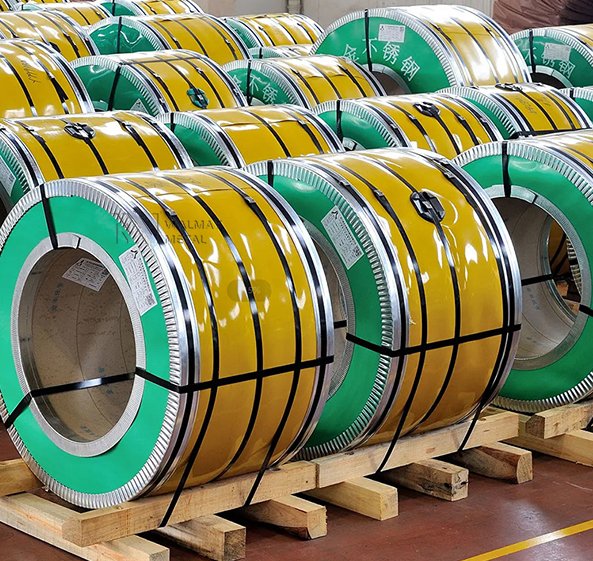
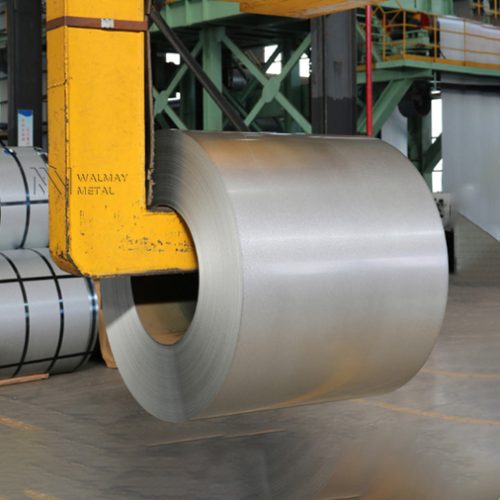
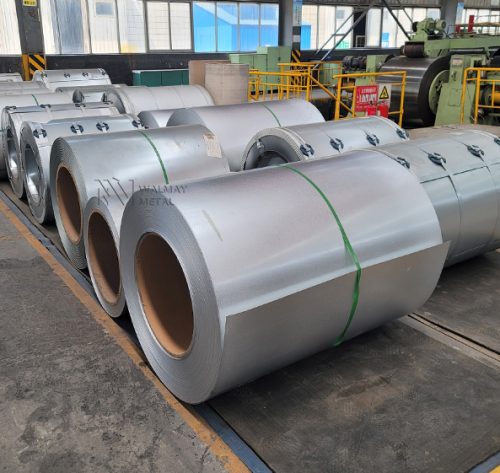
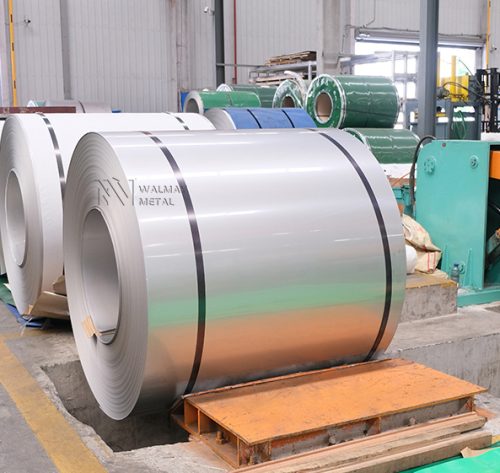
304 stainless steel coil is cold rolled flat product wound continuously, and it is how flat stainless is bought when it will be processed on a line rather than handled sheet by sheet. Walmay supplies 304 and 304L coil to ASTM A240 from 0.3 mm to 3.0 mm thick and 600 mm to 1,550 mm wide, in 2B, BA, No.4 brushed and mirror finishes, with coil weights from 500 kg to 5 tonnes. We also slit to width and cut to length in house, so a single coil can be delivered as strip, sheets, or blanks to your list.
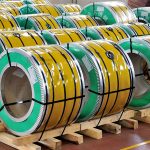
| Item | Detail |
|---|---|
| Grade | 304, UNS S30400, and 304L, UNS S30403 |
| Standards | ASTM A240 / A480, EN 10088-2, JIS G4305 |
| Thickness | 0.3-3.0 mm cold rolled |
| Width | 600, 1,000, 1,219, 1,250, 1,500, 1,550 mm |
| Finish | 2B, 2D, BA, No.4, HL hairline, mirror |
| Condition | Cold rolled, annealed and pickled |
| Coil inner diameter | 508 mm or 610 mm standard |
| Coil weight | 500 kg to 5 tonnes |
| Edge | Mill edge or trimmed |
| Certification | EN 10204 3.1 |
| Element | 304 | 304L |
|---|---|---|
| Carbon | 0.08 max | 0.030 max |
| Chromium | 18.0-20.0 | 18.0-20.0 |
| Nickel | 8.0-10.5 | 8.0-12.0 |
| Manganese | 2.00 max | 2.00 max |
| Silicon | 0.75 max | 0.75 max |
| Property | 304 | 304L |
|---|---|---|
| Yield strength minimum | 205 MPa | 170 MPa |
| Tensile strength minimum | 515 MPa | 485 MPa |
| Elongation | 40 percent | 40 percent |
| Hardness | 92 HRB max | 92 HRB max |
| Density | 8.0 g/cm3 | 8.0 g/cm3 |
| Maximum continuous service | About 870 C | About 870 C |
| Finish | Description | Typical use |
|---|---|---|
| 2B | Cold rolled, annealed, pickled, lightly skin passed | The default for fabrication and further processing |
| 2D | Annealed without skin pass, matte | Deep drawing, where lubricant retention helps |
| BA | Bright annealed, near mirror, produced by rolling | Appliance panels, reflectors, volume decorative work |
| No.4 | Brushed to 150-180 grit | Kitchen and equipment panels, lift interiors |
| HL hairline | Long continuous grain | Architectural cladding |
| Mirror | Polished and buffed | Decorative feature work |
Coil polished or bright annealed at the mill costs less per tonne than sheet polished afterwards, which is why volume decorative work is bought in coil and cut down. Polished coil is supplied with PVC film applied on the line.
| Service | Capability |
|---|---|
| Slitting | Down to 20 mm width, multiple strips per pass, edges deburred or rolled |
| Cut to length | Plus or minus 0.5 mm, sheets or blanks to a list |
| Levelling | Tension levelling to 0.1 mm per square metre, essential for laser cutting and mirror work |
| Blanking | Rectangular and shaped blanks |
| Recoiling | To your inner diameter and maximum weight |
| Filming | PVC film applied on the line for polished material |
Cold rolled coil carries internal stress from rolling and coiling, and it will not lie flat when uncoiled unless it is levelled. For laser cutting, for parts with tight flatness requirements and for any mirror or BA panel work, specify tension levelling. Details on our slitting, levelling and cutting pages.
| Issue | Consequence |
|---|---|
| Pits in chlorides | Not for coastal, pool or de-iced exposure; use 316L |
| Yield strength of 205 MPa | Low for structural use |
| Work hardens rapidly | More press capacity, more springback, harder machining |
| Thermal expansion of 16 um/m/K | Welded assemblies distort more than carbon steel |
| Coil set and edge wave | Material will not lie flat without levelling |
| Nickel price exposure | Alloy surcharge changes between quotation and order |
| Sensitisation in heavy welds | Use 304L above about 6 mm |
| Item | Detail |
|---|---|
| Minimum order | 3 tonnes from stock, 10-25 tonnes for a mill run |
| Lead time from stock | 7-12 days |
| Lead time mill run | 30-45 days |
| Stock range | 0.5-2.0 mm at 1,219 and 1,500 mm wide, 2B and BA |
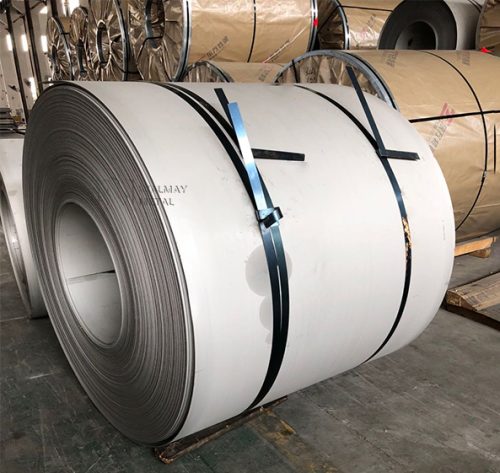
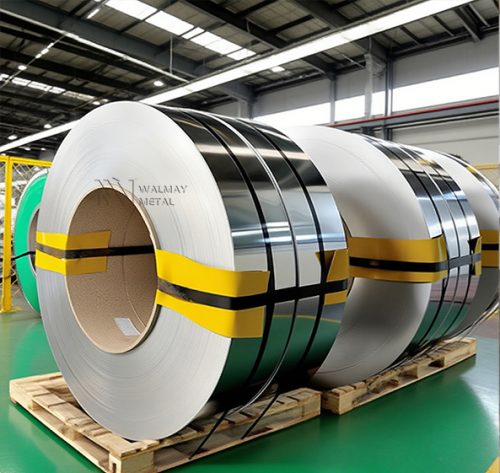
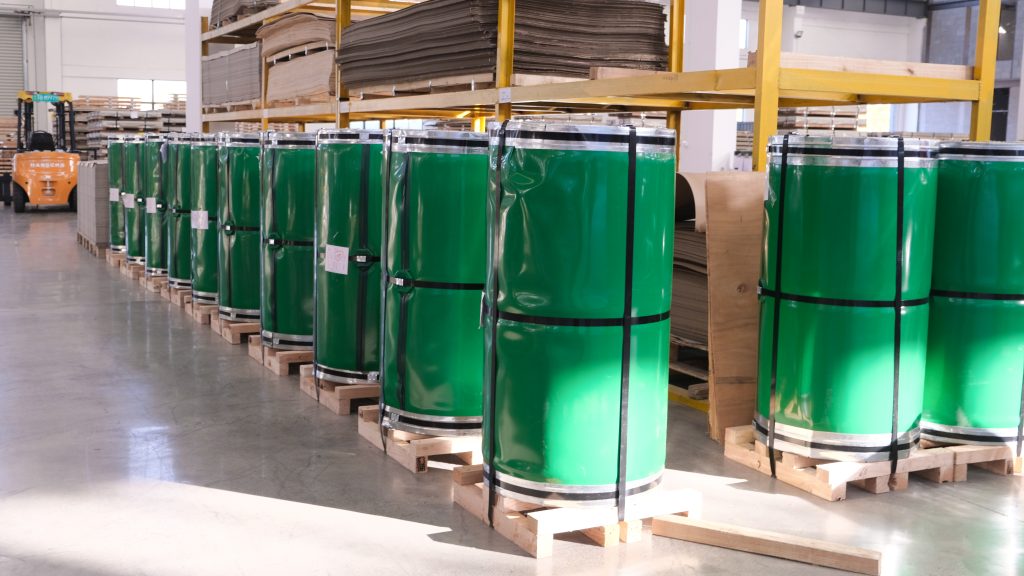
| Packing | Eye to sky or eye to wall on a pallet, edge and outer protection, PVC film on polished |
| Incoterms | FOB, CIF, DAP |
Send thickness, width, finish, grade, coil inner diameter, maximum coil weight and total tonnage, plus any slitting or cut-to-length list. Related products: 316L BA mirror coil, 430 coil, 201 hot rolled coil, 321 coil, 304 sheet, strip, and the full coil and strip range.
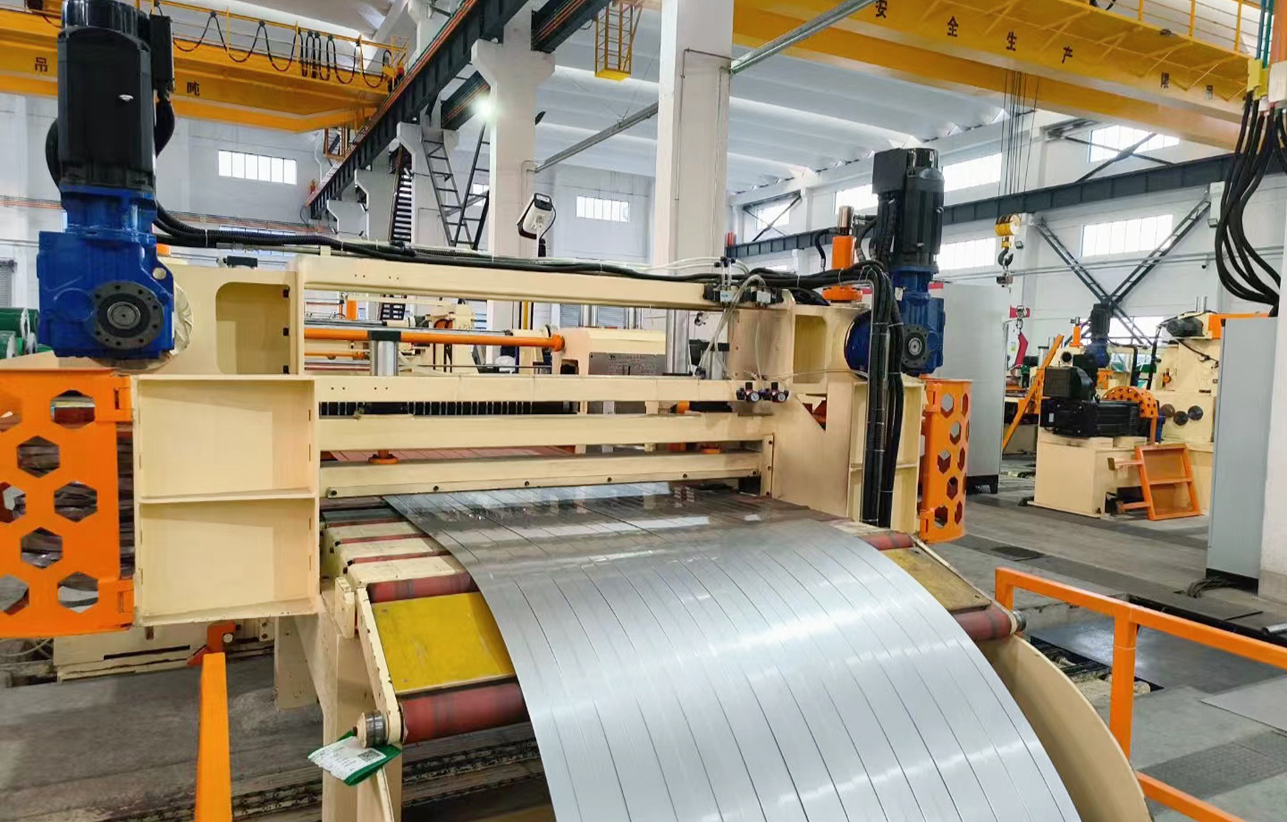
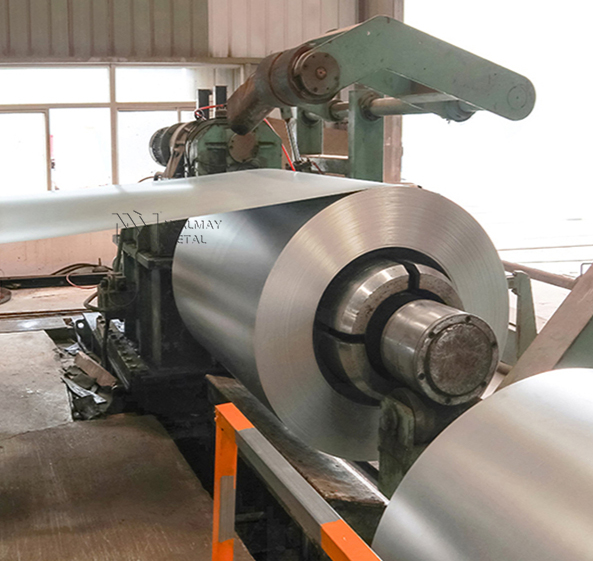
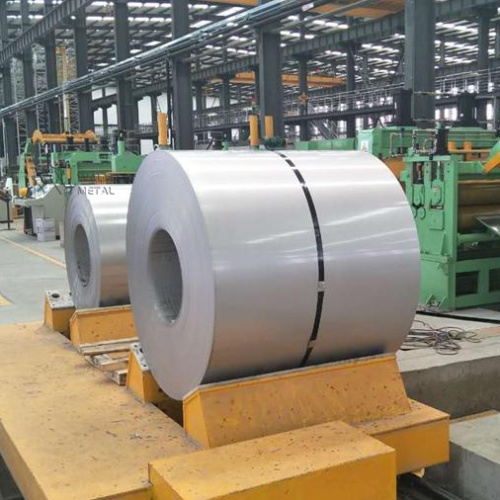
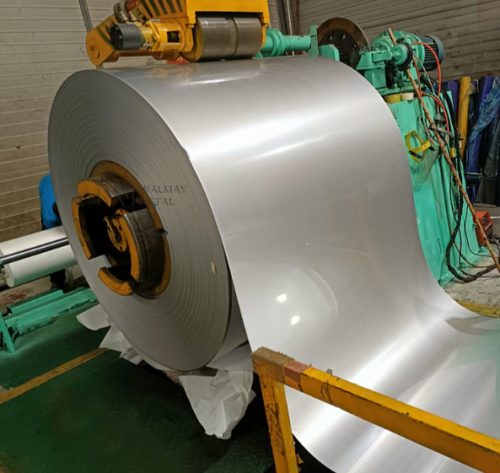
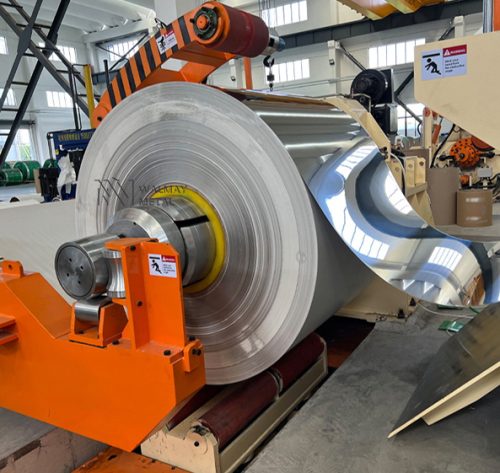
Coil Feeding into Processing Machine
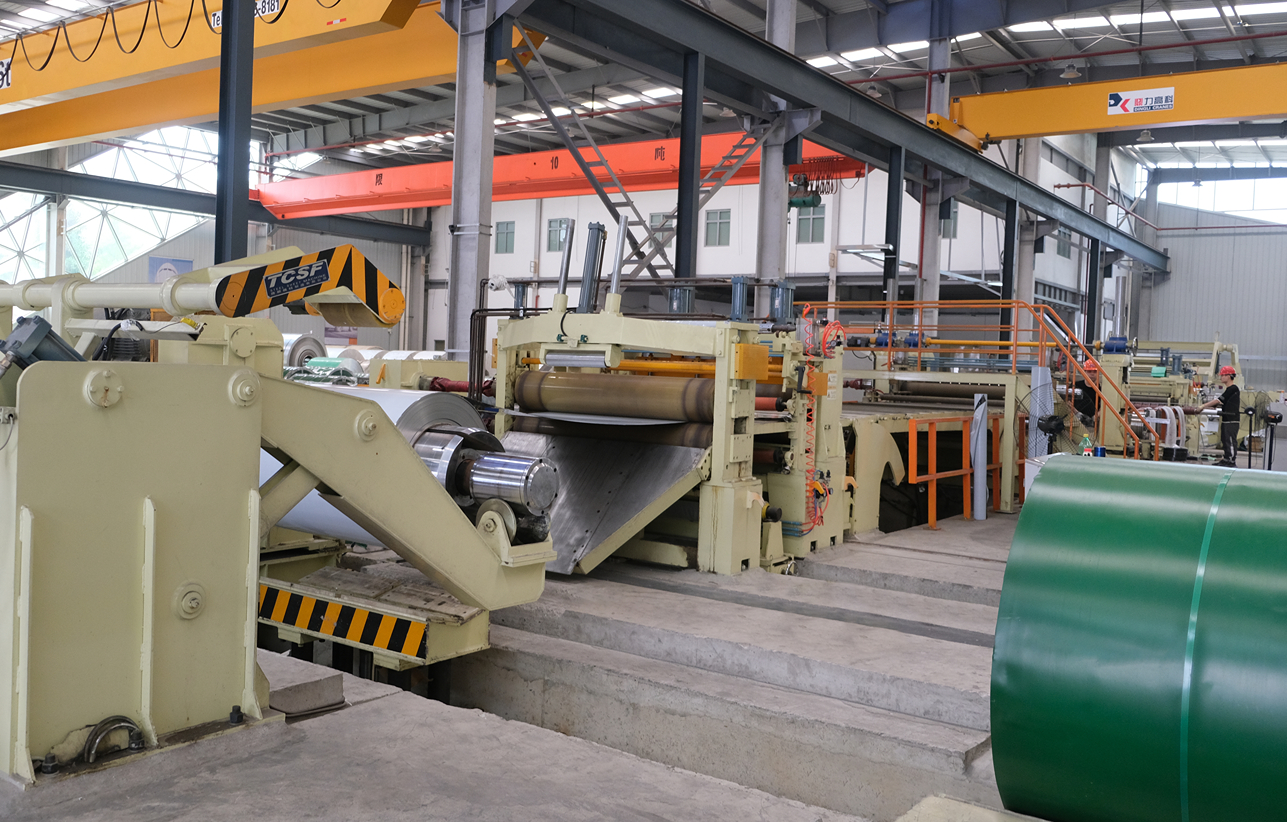
Parallel Coil Processing Lines
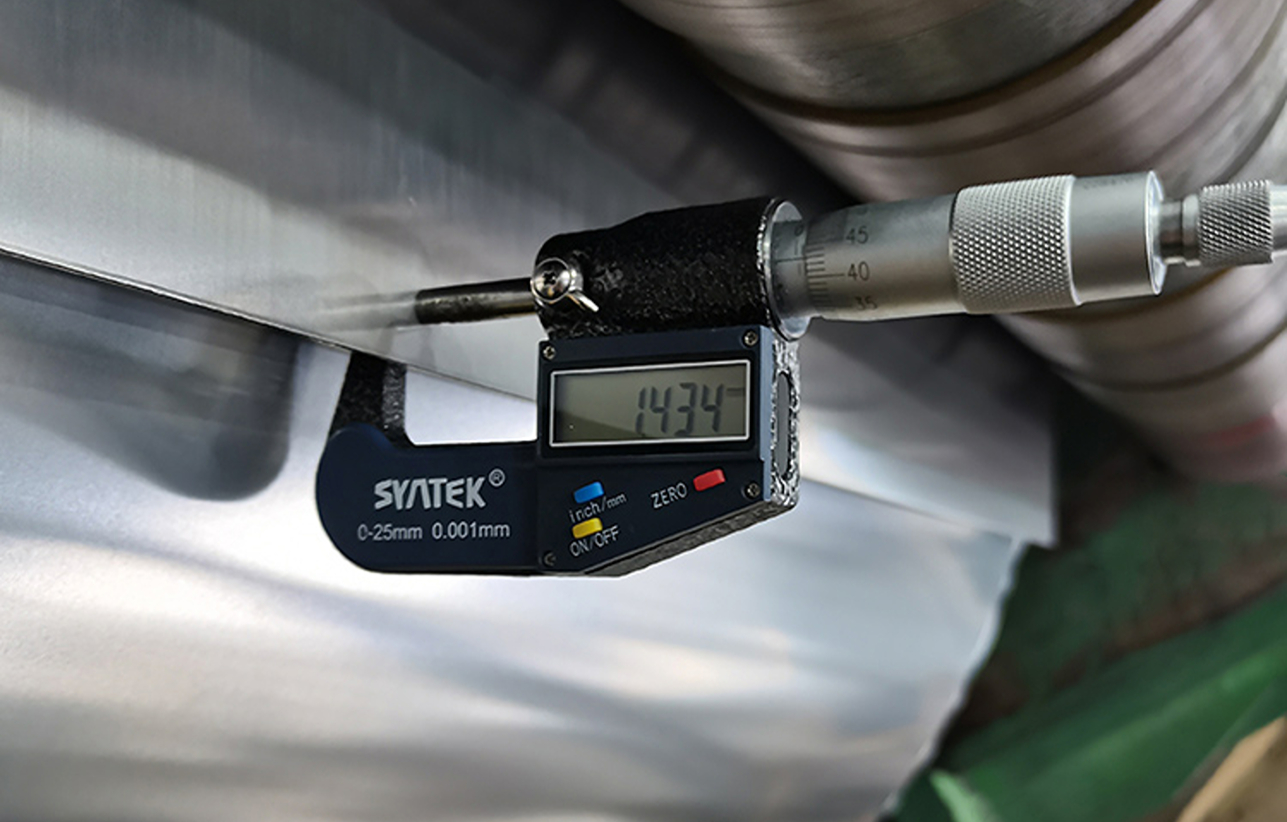
Coil Thickness Measurement
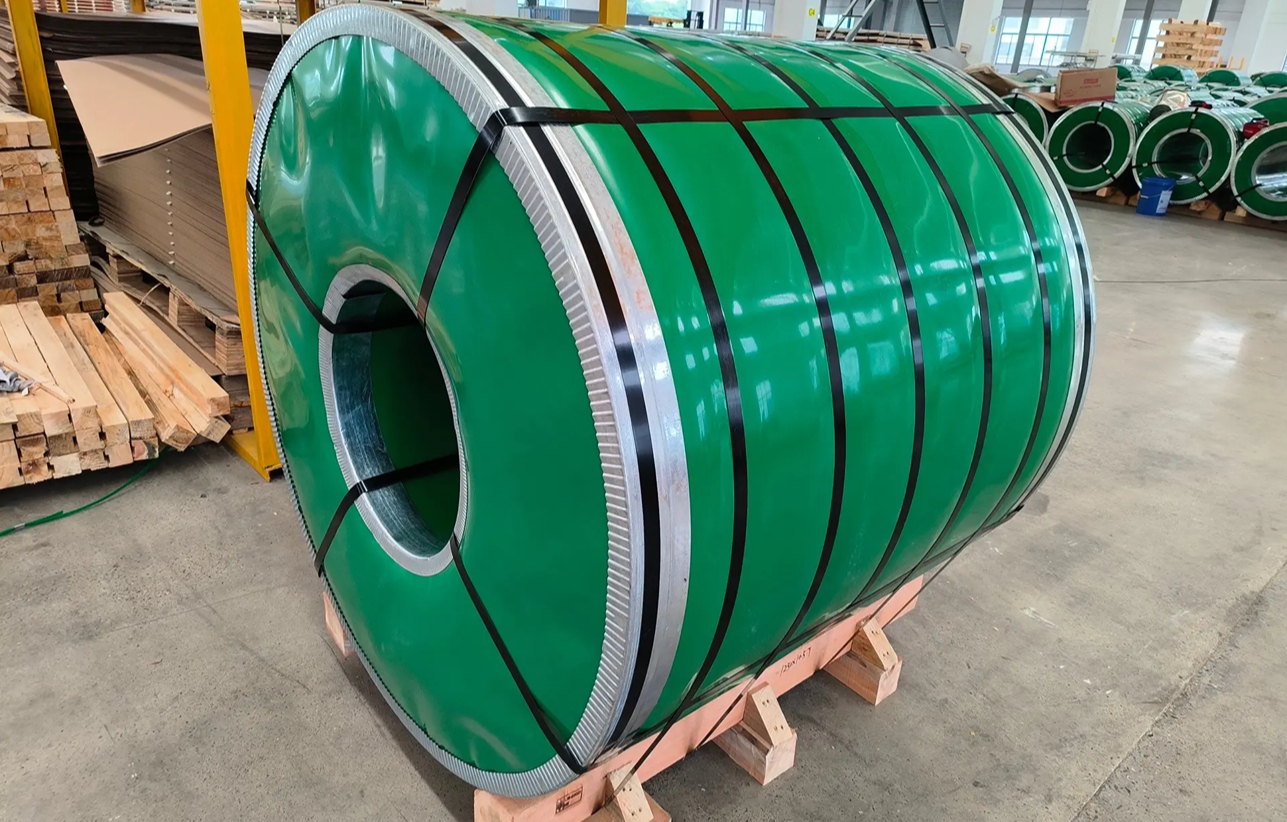
Single Coil Packaging
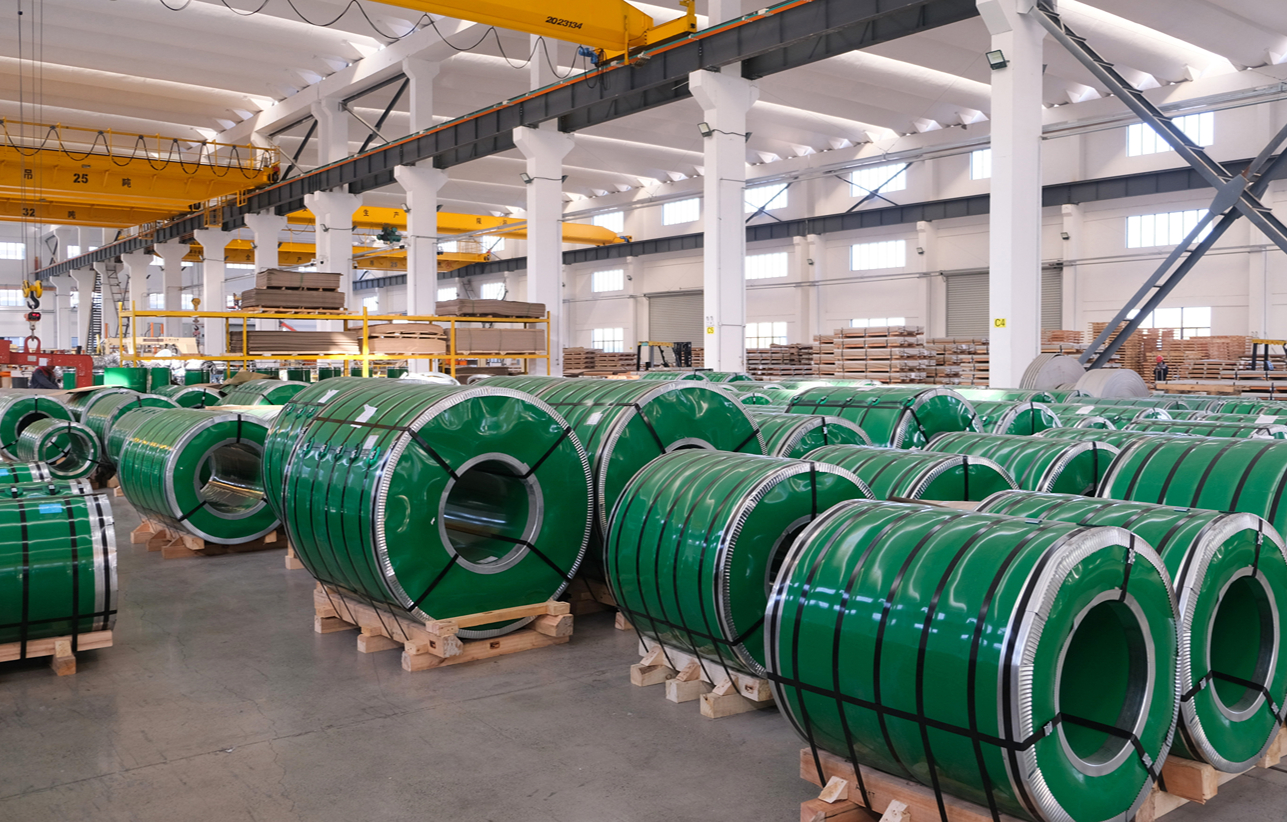
Factory Coil Storage
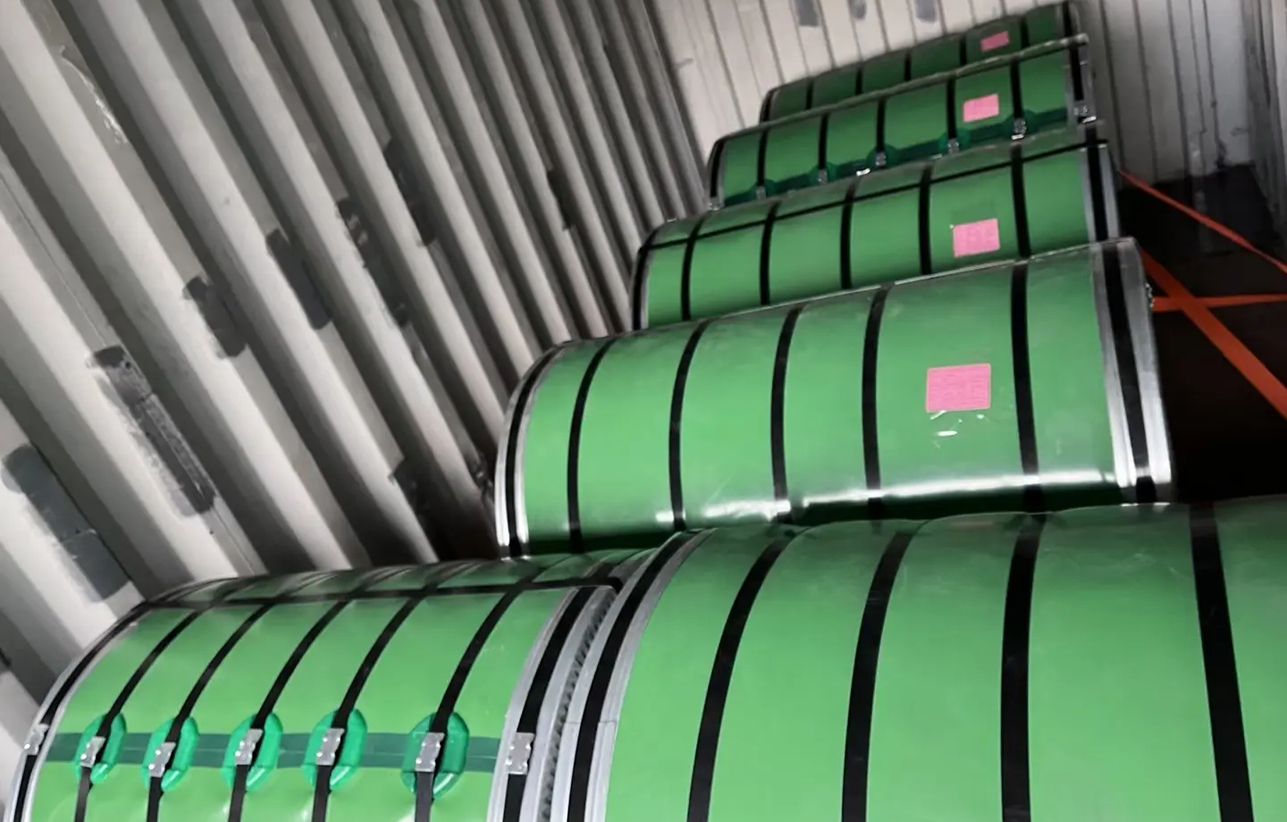
Truck Loading of Coils


304 stainless steel coil is cold rolled flat product wound continuously, and it is how flat stainless is bought when it will be processed on a line rather than handled sheet by sheet. Walmay supplies 304 and 304L coil to ASTM A240 from 0.3 mm to 3.0 mm thick and 600 mm to 1,550 mm wide, in 2B, BA, No.4 brushed and mirror finishes, with coil weights from 500 kg to 5 tonnes. We also slit to width and cut to length in house, so a single coil can be delivered as strip, sheets, or blanks to your list.

A coil is a single continuous length of strip or sheet wound onto itself, typically several hundred metres long. Buying coil rather than sheet changes three things:
The trade-off is handling: a coil needs a crane, a decoiler and the space to run it, and once it is on your floor you have committed to the whole weight. Where volumes are modest, buying sheet or slit strip is more practical even at a higher rate.
Coil weight per metre equals width in metres multiplied by thickness in millimetres multiplied by 8.0. Inverting that gives the length in a tonne, which is the figure to plan production against.
| Thickness | 1,219 mm wide, kg/m | Metres per tonne | 1,500 mm wide, kg/m | Metres per tonne |
|---|---|---|---|---|
| 0.4 mm | 3.90 | 256 m | 4.80 | 208 m |
| 0.5 mm | 4.88 | 205 m | 6.00 | 167 m |
| 0.6 mm | 5.85 | 171 m | 7.20 | 139 m |
| 0.8 mm | 7.80 | 128 m | 9.60 | 104 m |
| 1.0 mm | 9.75 | 103 m | 12.00 | 83 m |
| 1.2 mm | 11.70 | 85 m | 14.40 | 69 m |
| 1.5 mm | 14.63 | 68 m | 18.00 | 56 m |
| 2.0 mm | 19.50 | 51 m | 24.00 | 42 m |
| 2.5 mm | 24.38 | 41 m | 30.00 | 33 m |
| 3.0 mm | 29.25 | 34 m | 36.00 | 28 m |
A 3 tonne coil of 1.0 mm material at 1,219 mm wide therefore holds about 308 metres, which yields roughly 126 sheets at 2,438 mm long.


Coil is priced per tonne on a base price plus alloy surcharges for nickel and chromium, which reset frequently and account for most of the movement between quotations. Around 8 percent of 304 is nickel, so the nickel market drives the figure. On top of that:
Our price commentary tracks the alloy inputs behind these movements.
Walmay will help match the right stainless product form and specification for your application, confirm quantities and packing needs, and provide requested documents based on order requirements.
Loading form…