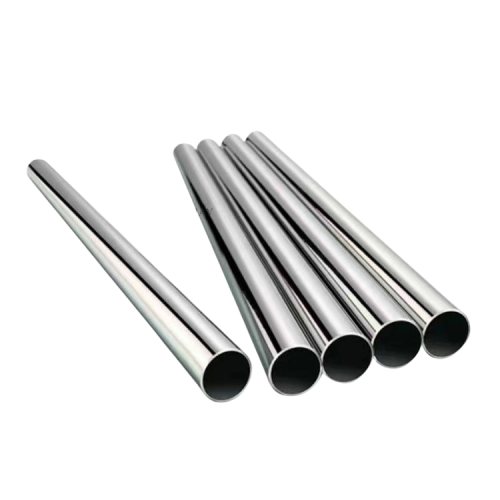
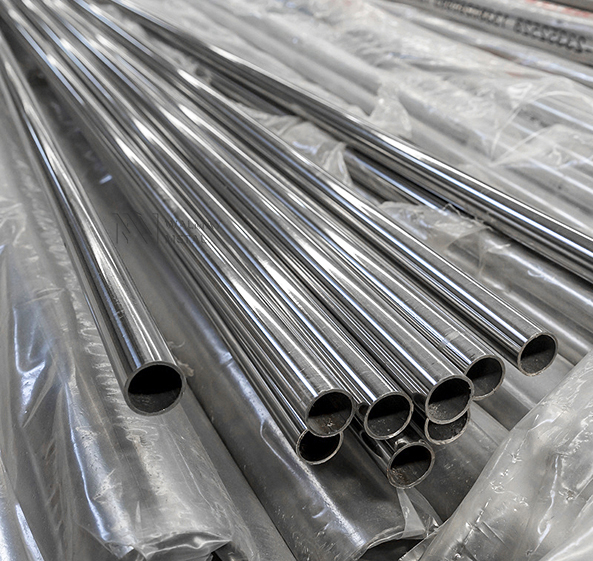
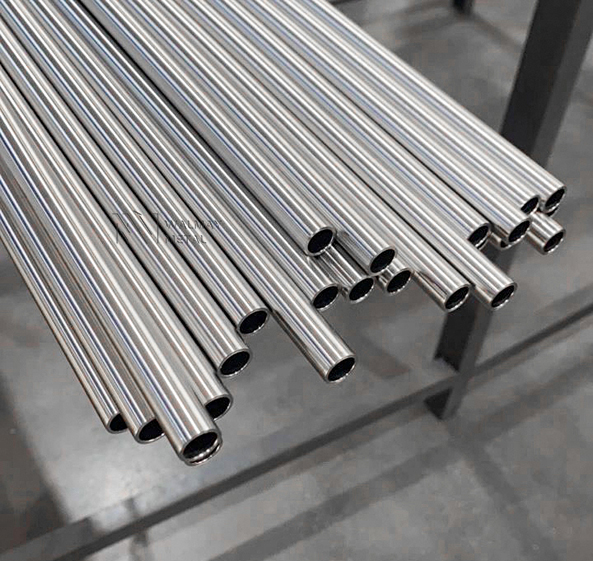
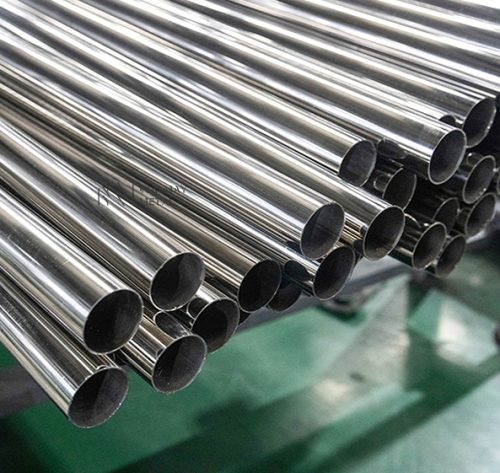
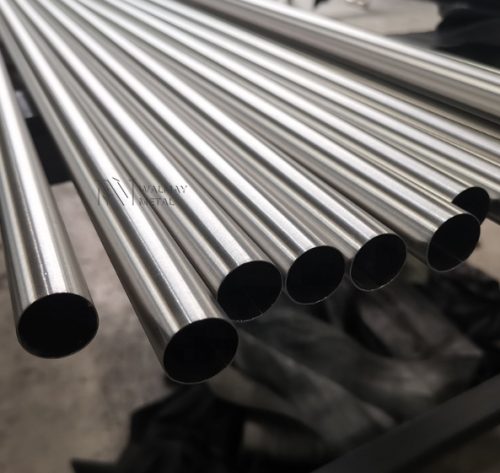
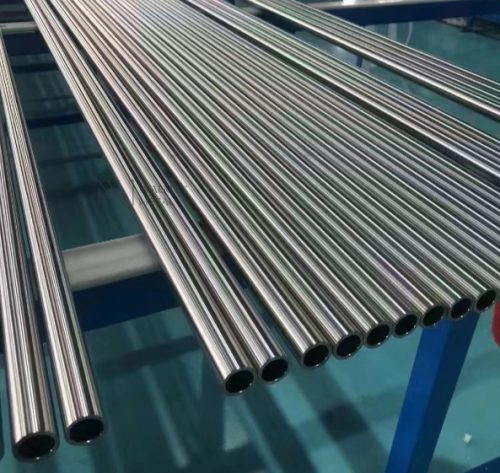
304 stainless steel pipe is the default austenitic pipe for water, food, chemical and general process service: 18 to 20 percent chromium and 8 to 10.5 percent nickel, fully weldable, and available in every schedule from 5S to 80S. Walmay supplies it seamless to ASTM A312 and welded to ASTM A312 or A778, from 1/8 inch to 24 inch NPS, along with tube to ASTM A554 and A269 in outside diameters from 6 mm to 168 mm. Enquiries written as 304 stainless steel tube, 304 stainless steel tubing or 304ss tubing usually reach us for the same material, and the section below explains where the products genuinely differ.
| Item | Detail |
|---|---|
| Grade | 304, UNS S30400, and 304L, UNS S30403 |
| Pipe standards | ASTM A312 / ASME SA312 seamless and welded, ASTM A358, ASTM A778 |
| Tube standards | ASTM A554 ornamental, ASTM A269 and A213 |
| Size range, pipe | 1/8 in to 24 in NPS, DN 6 to DN 600 |
| Size range, tube | 6-168 mm OD, 0.5-6.0 mm wall |
| Schedules | 5S, 10S, 20, 40S, 80S, and heavier on request |
| Length | 6 m random, 3 m, or cut to length |
| Ends | Plain, bevelled to 30 degrees, threaded |
| Condition | Solution annealed and pickled |
| Certification | EN 10204 3.1, hydrostatic or eddy current test per A312 |
| Element | 304 | 304L |
|---|---|---|
| Carbon | 0.08 max | 0.035 max |
| Chromium | 18.0-20.0 | 18.0-20.0 |
| Nickel | 8.0-11.0 | 8.0-13.0 |
| Manganese | 2.00 max | 2.00 max |
| Silicon | 1.00 max | 1.00 max |
| Phosphorus | 0.045 max | 0.045 max |
| Sulphur | 0.030 max | 0.030 max |
Note that ASTM A312 allows slightly different nickel and carbon ranges than the A240 plate specification, which is why a pipe certificate and a plate certificate for the same grade do not read identically.
| Property | 304 | 304L |
|---|---|---|
| Yield strength minimum | 205 MPa | 170 MPa |
| Tensile strength minimum | 515 MPa | 485 MPa |
| Elongation | 35 percent | 35 percent |
| Hardness | 90 HRB max | 90 HRB max |
| Density | 8.0 g/cm3 | 8.0 g/cm3 |
| Maximum continuous service | About 870 C | About 870 C |
Dimensions to ASME B36.19M, with weight calculated for 304 at 8.0 g/cm3.
| NPS | OD | Sch 5S wall | Sch 10S wall | Sch 40S wall | Sch 80S wall | Sch 40S kg/m |
|---|---|---|---|---|---|---|
| 1/2 in | 21.3 mm | 1.65 mm | 2.11 mm | 2.77 mm | 3.73 mm | 1.27 |
| 3/4 in | 26.7 mm | 1.65 mm | 2.11 mm | 2.87 mm | 3.91 mm | 1.69 |
| 1 in | 33.4 mm | 1.65 mm | 2.77 mm | 3.38 mm | 4.55 mm | 2.50 |
| 1 1/2 in | 48.3 mm | 1.65 mm | 2.77 mm | 3.68 mm | 5.08 mm | 4.05 |
| 2 in | 60.3 mm | 1.65 mm | 2.77 mm | 3.91 mm | 5.54 mm | 5.44 |
| 3 in | 88.9 mm | 2.11 mm | 3.05 mm | 5.49 mm | 7.62 mm | 11.29 |
| 4 in | 114.3 mm | 2.11 mm | 3.05 mm | 6.02 mm | 8.56 mm | 16.07 |
| 6 in | 168.3 mm | 2.77 mm | 3.40 mm | 7.11 mm | 10.97 mm | 28.19 |
| 8 in | 219.1 mm | 2.77 mm | 3.76 mm | 8.18 mm | 12.70 mm | 42.42 |
| 10 in | 273.0 mm | 3.40 mm | 4.19 mm | 9.27 mm | 12.70 mm | 60.00 |
| 12 in | 323.8 mm | 3.96 mm | 4.57 mm | 9.53 mm | 12.70 mm | 73.44 |
For any pipe, weight in kilograms per metre is (OD minus wall) multiplied by wall multiplied by 0.0251 for 304. The S schedules, 5S, 10S, 40S and 80S, are the stainless series and are thinner than the carbon steel schedules of the same number in the larger sizes, which is why stainless piping systems save weight.
| Criterion | Seamless | Welded |
|---|---|---|
| Manufacture | Extruded and drawn from a solid billet | Formed from strip and longitudinally welded |
| Longitudinal weld | None | One, usually TIG or laser, often bead rolled |
| Wall thickness uniformity | Plus or minus 12.5 percent typical | More uniform, plus or minus 10 percent |
| Concentricity | Less consistent | Better |
| Availability above 12 in | Limited | Standard |
| Cost | 30-60 percent higher | Baseline |
| Code acceptance | Full, no weld joint factor | Requires a weld joint efficiency factor in design |
| Best for | High pressure, thick wall, code work under 12 in | General service, larger diameters, cost-sensitive work |
Detail on the seamless process, its dimensional consequences and where the extra cost is justified is on our seamless pipe page. For most water, food and general process work, welded pipe to A312 is equal in service and materially cheaper.
| Item | Detail |
|---|---|
| Minimum order | 500 kg from stock, 3 tonnes for a mill run |
| Lead time from stock | 7-12 days |
| Lead time mill run | 30-45 days |
| Stock range | 1/2 in to 8 in NPS in Sch 10S and 40S, 304 and 304L |
| Testing | Hydrostatic or eddy current per A312, PMI, dye penetrant on request |
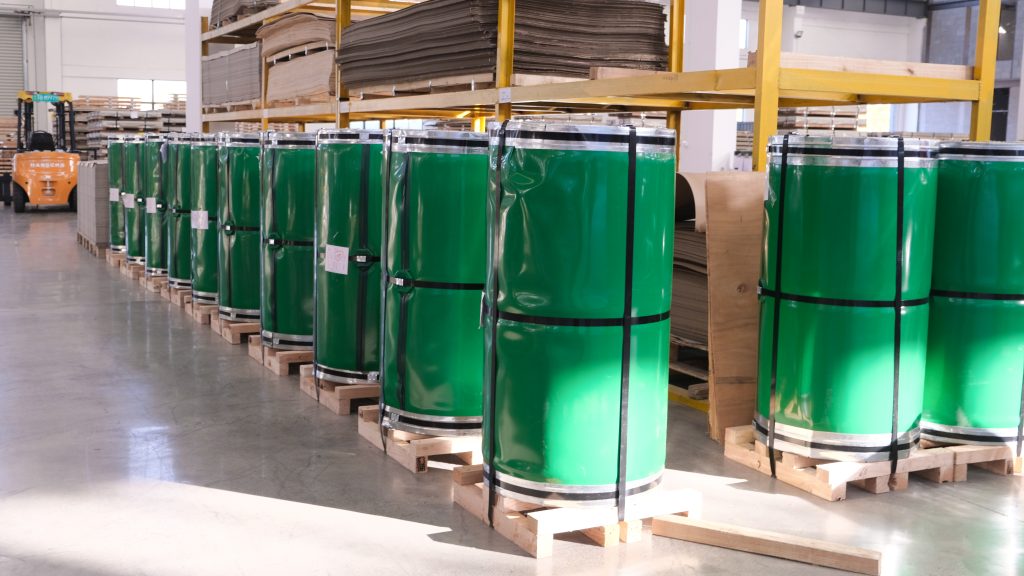
| Packing | Bundled in hexagonal bundles, plastic end caps, crated for small sizes |
| Incoterms | FOB, CIF, DAP |
Send NPS or OD, schedule or wall thickness, seamless or welded, length, end preparation and quantity. Related products: 316 pipe, 304L pipe, seamless pipe, square tube, and the full pipe and tube range.
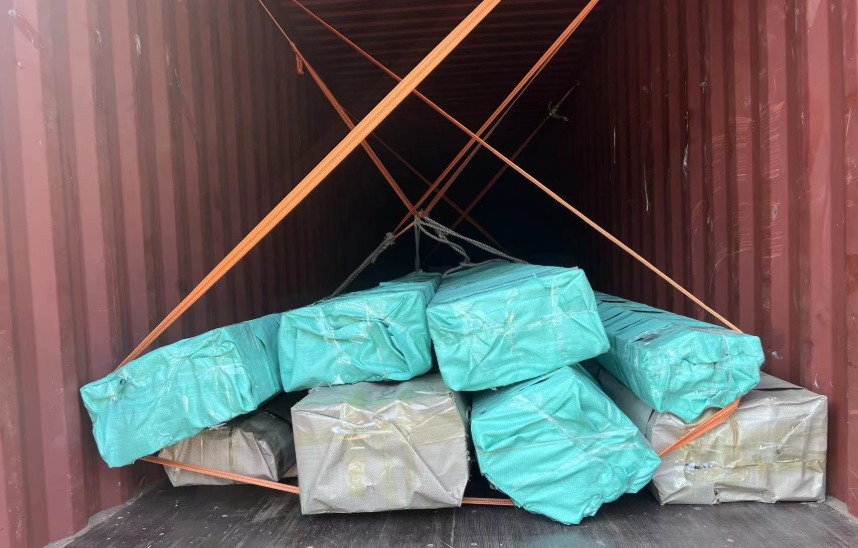
Stainless Steel Tubes Packed in Truck
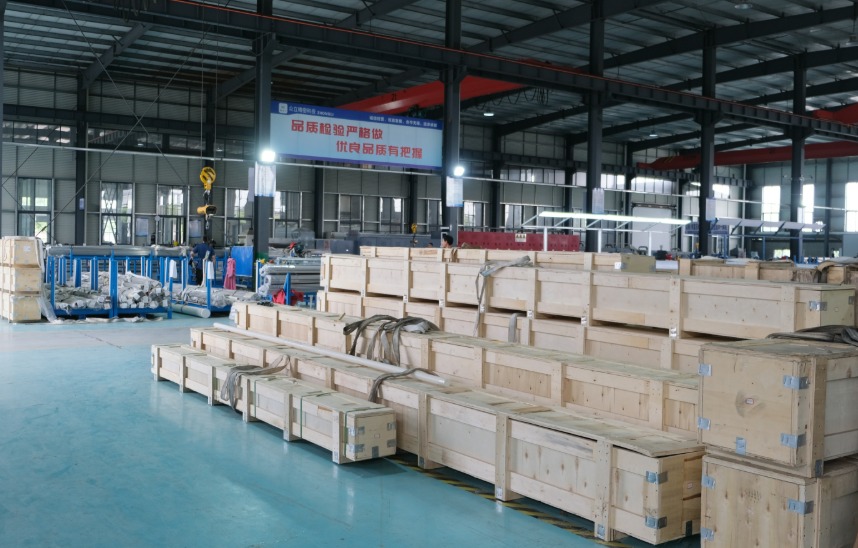
Wooden Crate Packaging in Factory
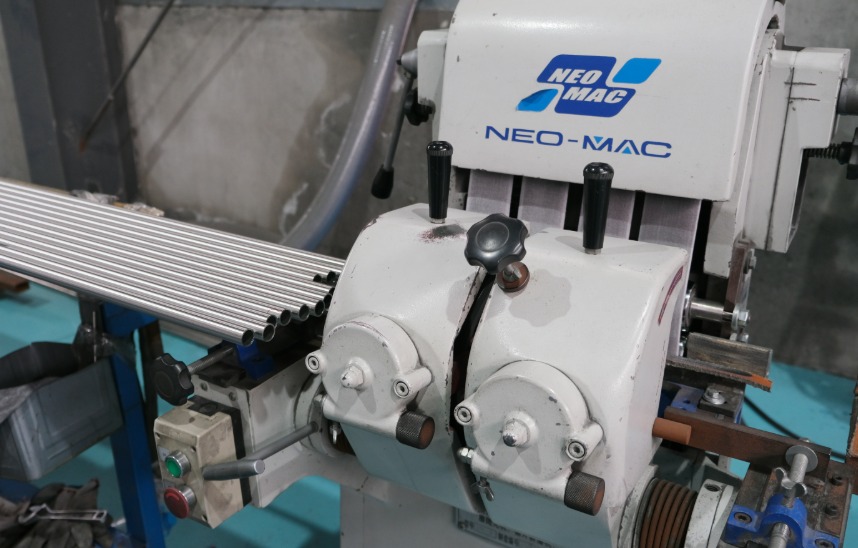
Neo-Mac Machine with Stainless Steel Tubes
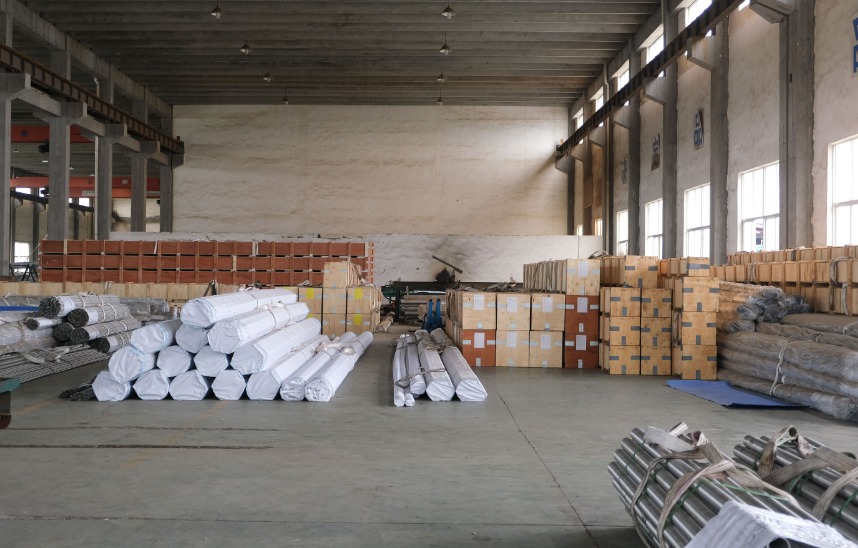
Factory Tube Packaging Process
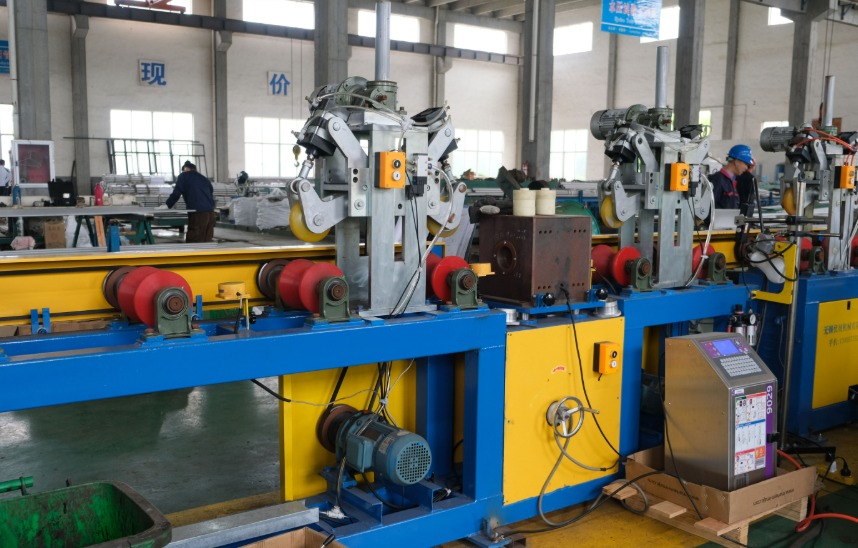
Industrial Manufacturing Equipment
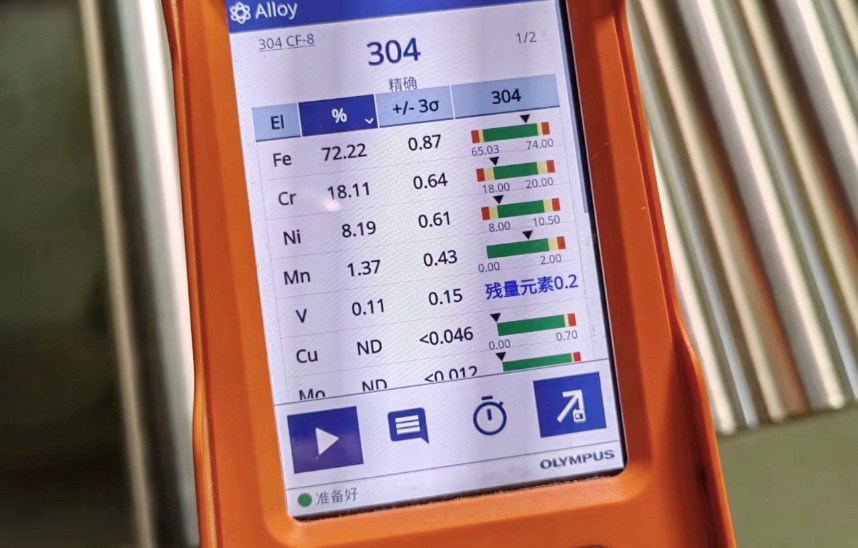
Stainless Steel Composition Analyzer


304 stainless steel pipe is the default austenitic pipe for water, food, chemical and general process service: 18 to 20 percent chromium and 8 to 10.5 percent nickel, fully weldable, and available in every schedule from 5S to 80S. Walmay supplies it seamless to ASTM A312 and welded to ASTM A312 or A778, from 1/8 inch to 24 inch NPS, along with tube to ASTM A554 and A269 in outside diameters from 6 mm to 168 mm. Enquiries written as 304 stainless steel tube, 304 stainless steel tubing or 304ss tubing usually reach us for the same material, and the section below explains where the products genuinely differ.
The three words are used interchangeably in conversation but they identify different products with different dimensional systems.
| Aspect | Pipe | Tube and tubing |
|---|---|---|
| Sized by | Nominal Pipe Size and schedule | Actual outside diameter and wall thickness |
| Controlled dimension | Inside diameter, approximately | Outside diameter, precisely |
| Standard | ASTM A312 seamless and welded | ASTM A554 ornamental, A269 and A213 for instrumentation and heat exchangers |
| OD tolerance | Plus or minus 1 percent typically | Plus or minus 0.1 mm on precision tube |
| Purpose | Conveying fluid, pressure containment | Structure, mechanics, heat transfer, instrumentation |
| Typical joint | Butt weld, flange, thread | Compression fitting, socket weld, mechanical joint |
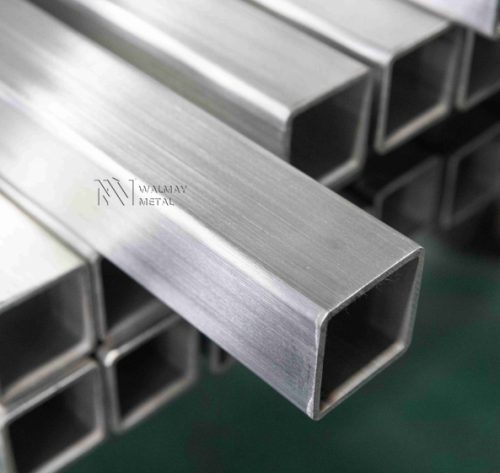
The consequence in practice: a 2 inch NPS pipe has an actual outside diameter of 60.3 mm, not 50.8 mm, whereas a 2 inch tube is exactly 50.8 mm across. Ordering 2 inch pipe when the drawing calls for 2 inch tube produces parts that will not fit any fitting on the job. When the application is structural or decorative and the OD must be exact, ask for tube; when it is a piping system with schedules and flanges, ask for pipe. Square and rectangular sections are covered on our square tube and rectangular tube pages.
Where the outside diameter is the controlled dimension, the product is tube. We supply three families:
| Family | Standard | Tolerance | Typical use |
|---|---|---|---|
| Ornamental and structural tube | ASTM A554 | OD plus or minus 0.5 percent | Handrails, frames, furniture, balustrades |
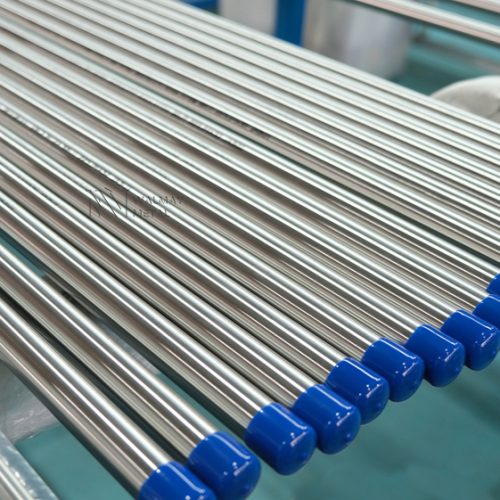
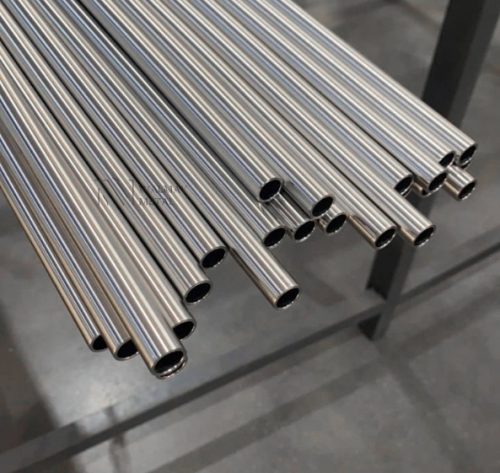
| Precision and instrumentation tube | ASTM A269 | OD plus or minus 0.1 mm | Instrument lines, compression fittings, hydraulics |
| Heat exchanger tube | ASTM A213 | Tight wall and OD control | Condensers, coolers, boilers |
Shorthand such as 304ss tubing normally means one of the first two, and the distinction matters because a compression fitting will not seal reliably on an ornamental-tolerance tube. If the tube will take a ferrule fitting, specify A269. Polished tube for visible work is covered on our polished pipe page.

304 is used for potable water worldwide and is accepted under drinking water regulations in the major markets, including NSF/ANSI 61 certification for products in the United States and the equivalent European approvals. It does not leach and it does not support biofilm the way some plastics do. Three conditions apply:


We supply pipe cut to length, bevelled for welding, bent, polished and threaded. 304 pipe bends well on a mandrel bender to 1.5 times diameter centreline radius in thin wall and 2 to 3 times in heavier wall. Welding uses 308L filler, ER308LSi for TIG and MIG, with argon back-purging on any joint that will contain product. For sections above about 6 mm wall that will not be solution annealed, specify 304L to avoid sensitisation.
Our cutting, bending, welding, polishing and surface treatment operations are described on the fabrication page.
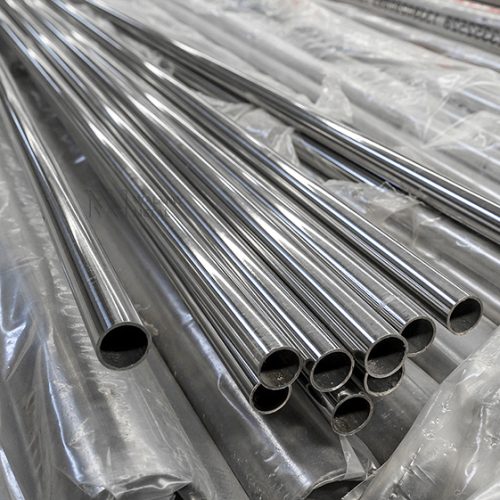


Walmay will help match the right stainless product form and specification for your application, confirm quantities and packing needs, and provide requested documents based on order requirements.
Loading form…