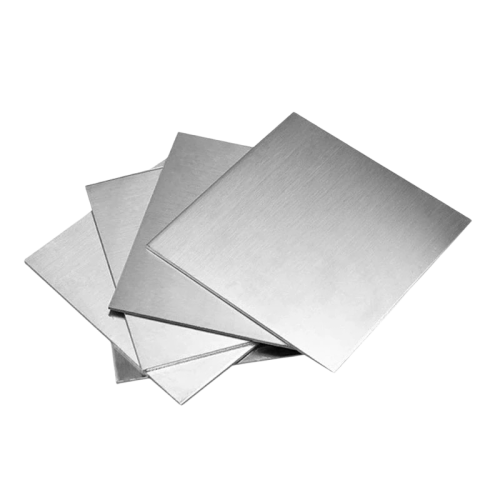
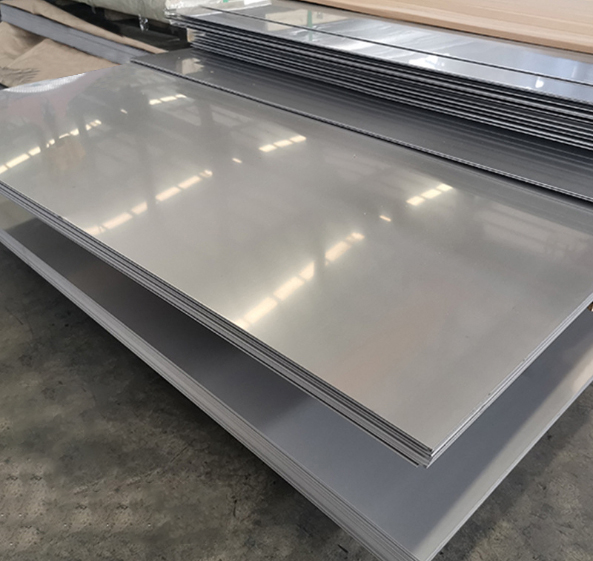
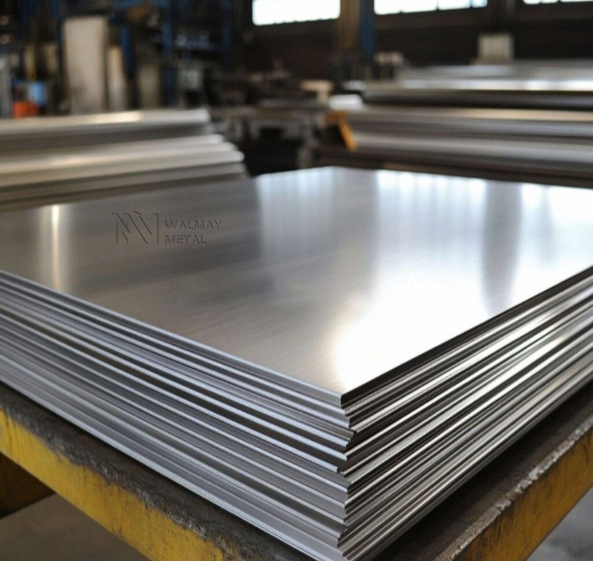
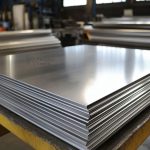
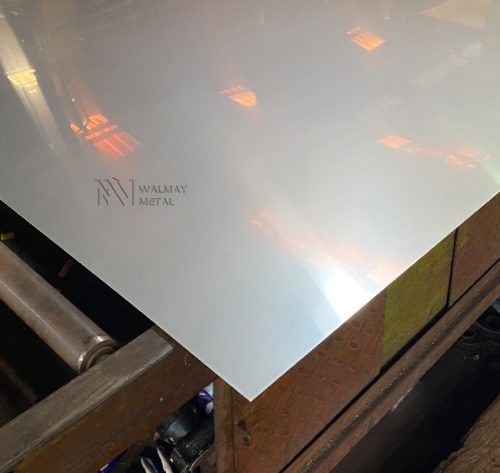
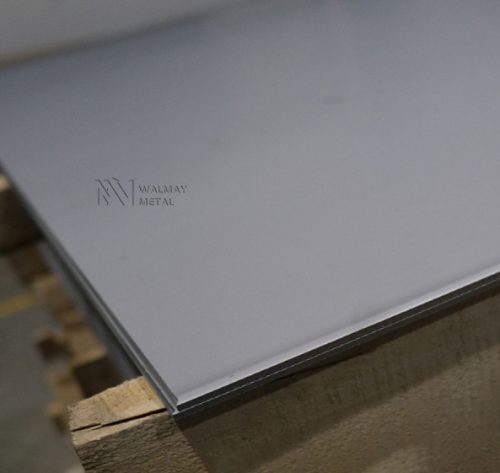
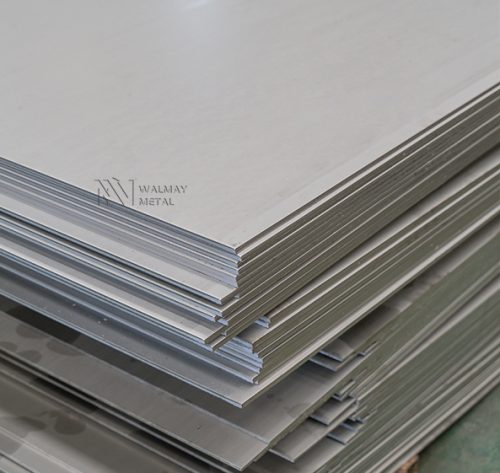
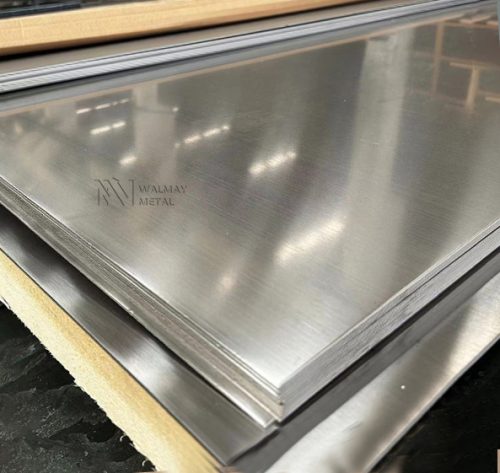
SS 316 plate is the heavy flat product of the molybdenum-bearing austenitic grade, supplied hot rolled, pickled and annealed in the No.1 condition. Walmay stocks it from 3 mm to 100 mm thick, up to 2,500 mm wide and 12,000 mm long, to ASTM A240 and ASME SA240, dual certified 316/316L on most heats and cut to your drawing by plasma or waterjet. Where the material is thinner than about 4.75 mm and specified by surface finish rather than by mechanical properties, the cold rolled product on our 316 and 316L sheet page is the correct one.
| Item | Detail |
|---|---|
| Grade | 316, UNS S31600, and 316L, UNS S31603 |
| Standards | ASTM A240 / ASME SA240, ASTM A480, EN 10088-2, JIS G4304 |
| Thickness | 3-100 mm |
| Width | 1,500, 2,000, 2,500 mm |
| Length | 3,000, 6,000, 12,000 mm, or cut to size |
| Surface | No.1, hot rolled annealed and pickled |
| Condition | Solution annealed |
| Testing | Tensile, hardness, PMI, ultrasonic to ASTM A435 on request |
| Certification | EN 10204 3.1, third-party 3.2 on request |
| Element | 316 | 316L |
|---|---|---|
| Carbon | 0.08 max | 0.030 max |
| Chromium | 16.0-18.0 | 16.0-18.0 |
| Nickel | 10.0-14.0 | 10.0-14.0 |
| Molybdenum | 2.00-3.00 | 2.00-3.00 |
| Manganese | 2.00 max | 2.00 max |
| Silicon | 0.75 max | 0.75 max |
| Property | 316 | 316L |
|---|---|---|
| Yield strength minimum | 205 MPa | 170 MPa |
| Tensile strength minimum | 515 MPa | 485 MPa |
| Elongation | 40 percent | 40 percent |
| Density | 8.0 g/cm3 | 8.0 g/cm3 |
| Maximum ASME design temperature | 425 C for 316L in most codes | 425 C |
| PREN | About 25 | About 25 |
| Parameter | Typical tolerance |
|---|---|
| Thickness, 3-10 mm | Plus or minus 0.4 mm |
| Thickness, 10-25 mm | Plus or minus 0.7 mm |
| Thickness, 25-50 mm | Plus or minus 1.0 mm |
| Thickness, above 50 mm | Plus or minus 1.5 mm |
| Width and length as rolled | Plus 20 mm, minus 0 |
| Cut to size by plasma | Plus or minus 1.0 mm |
| Cut to size by waterjet | Plus or minus 0.3 mm |
| Flatness after levelling | 3 mm per metre or better |
| Item | Detail |
|---|---|
| Delivery condition | Hot rolled, solution annealed at 1,040-1,120 C, water quenched, pickled to No.1 |
| Mechanical testing | Tensile and elongation per heat and thickness lot to ASTM A240 |
| Hardness | 217 HB or 95 HRB maximum |
| Intergranular corrosion test | ASTM A262 Practice E, available on request for welded service |
| Ultrasonic testing | ASTM A578 to a stated acceptance level, normally specified for pressure plate above 12 mm |
| PMI | Positive material identification on delivery, confirming molybdenum |
| Equivalent designations | UNS S31600 and S31603, EN 1.4401 and 1.4404, JIS SUS316 and SUS316L, GB 06Cr17Ni12Mo2 |
| ASME designation | SA240 Type 316 and 316L for code work |
Where the plate is destined for a pressure vessel, order it to ASME SA240 rather than ASTM A240 and state the code and design temperature, because the allowable stresses and the required documentation differ. Ultrasonic testing to A578 is worth adding on thick plate for vessel shells: a lamination discovered after forming and cutting is expensive, and the test is not.
| Item | Detail |
|---|---|
| Minimum order | 1 tonne from stock, 5 tonnes for a mill rolling |
| Lead time from stock | 7-12 days, plus 3-7 days if cutting to drawing |
| Lead time mill run | 35-50 days |
| Packing | Steel-strapped bundles on timber bearers, edge protection |
| Documentation | EN 10204 3.1, PMI report, dimensional report on cut parts |
| Incoterms | FOB, CIF, DAP |
Send thickness, plate size or a DXF cut list, quantity, whether you need 316, 316L or dual certified, and any testing requirement. Related products: 316 and 316L sheet, 304L plate, hot rolled plate, 2205 duplex sheet, and the full sheet and plate range.
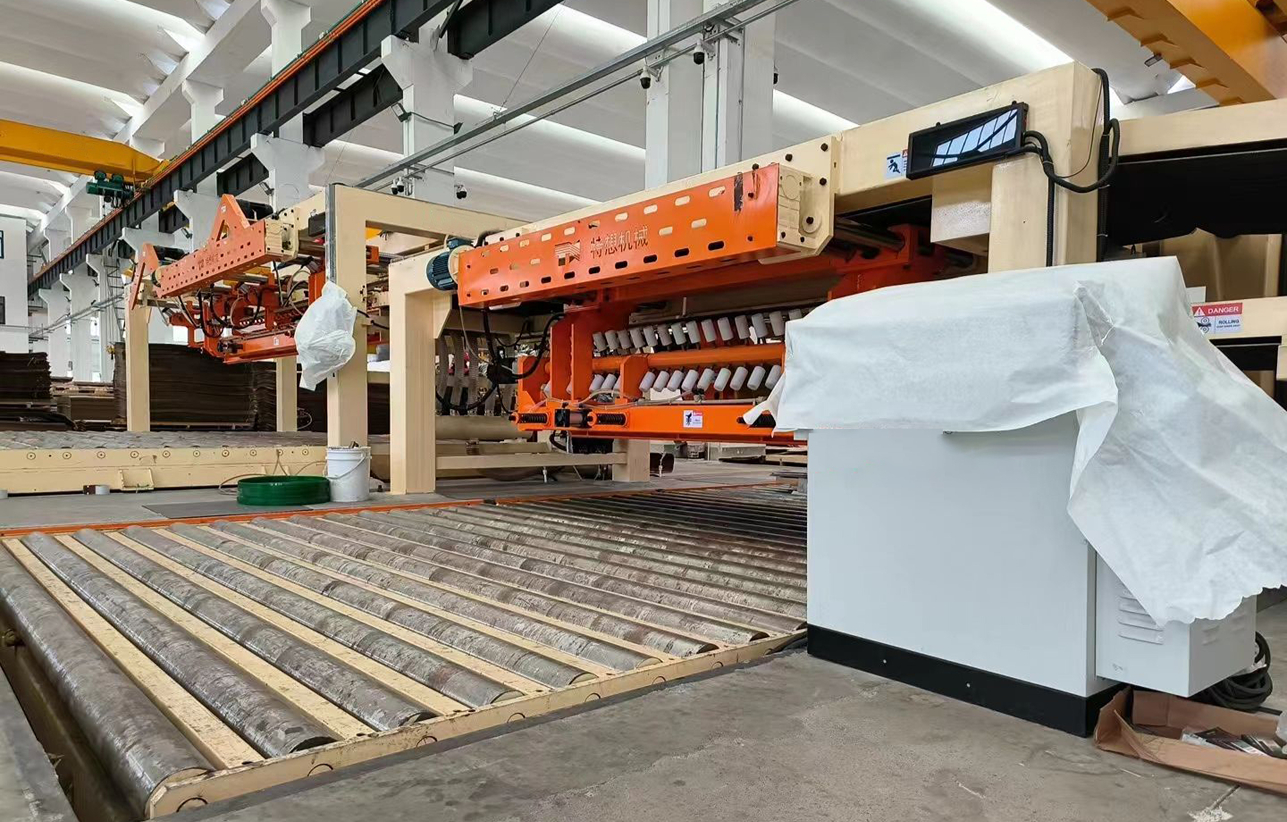
Stainless Steel Plate Bending/Stamping Process
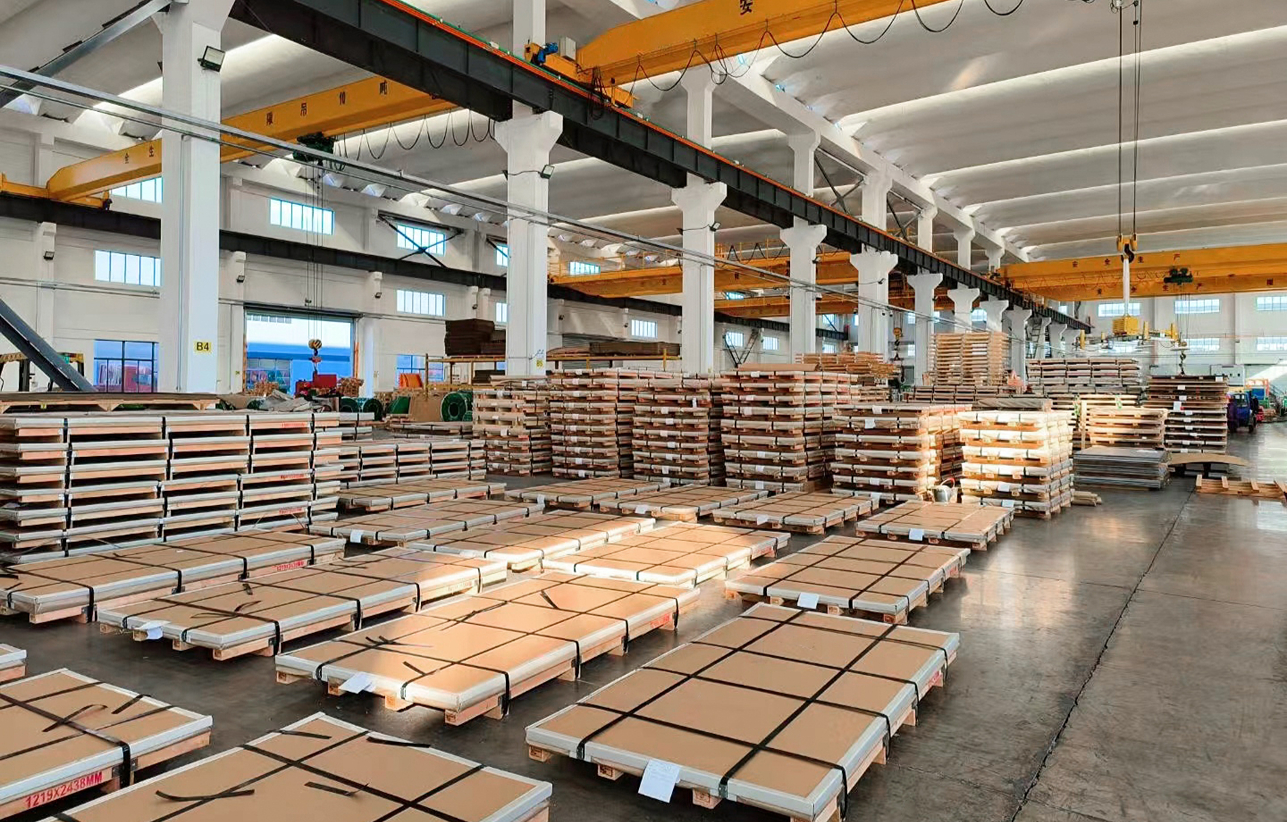
Stainless Steel Plates on Storage Rack
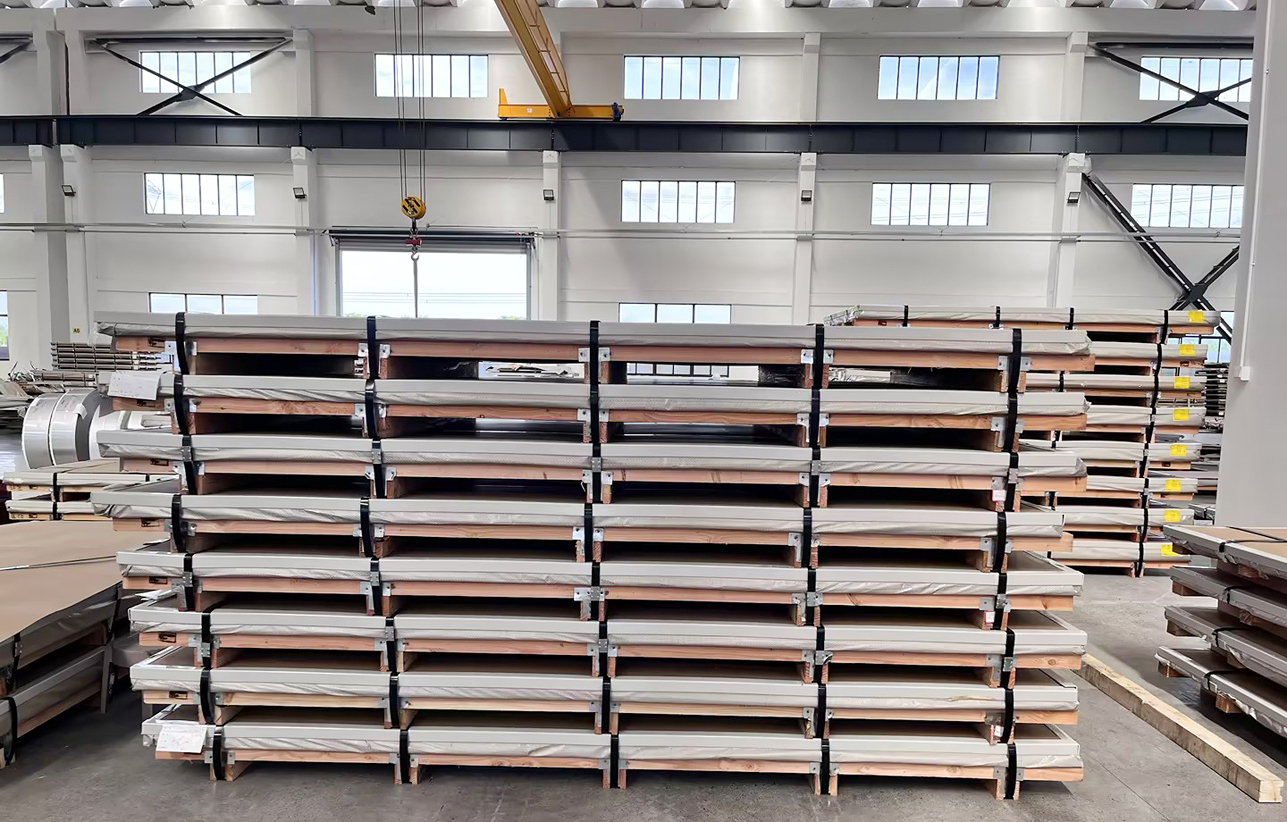
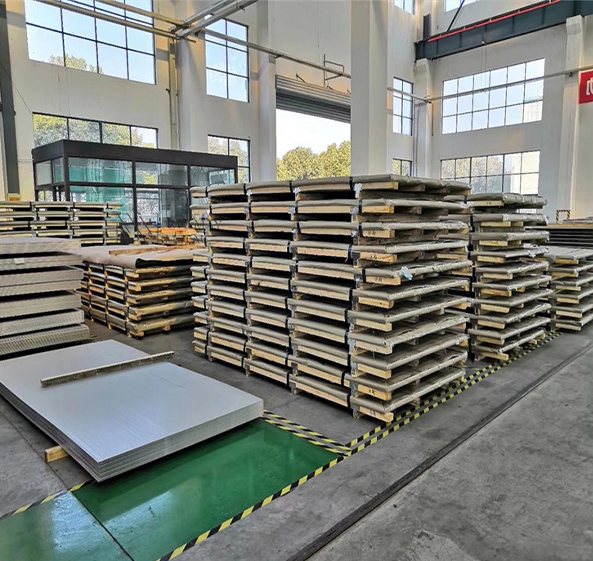
Palletized Stainless Steel Plates
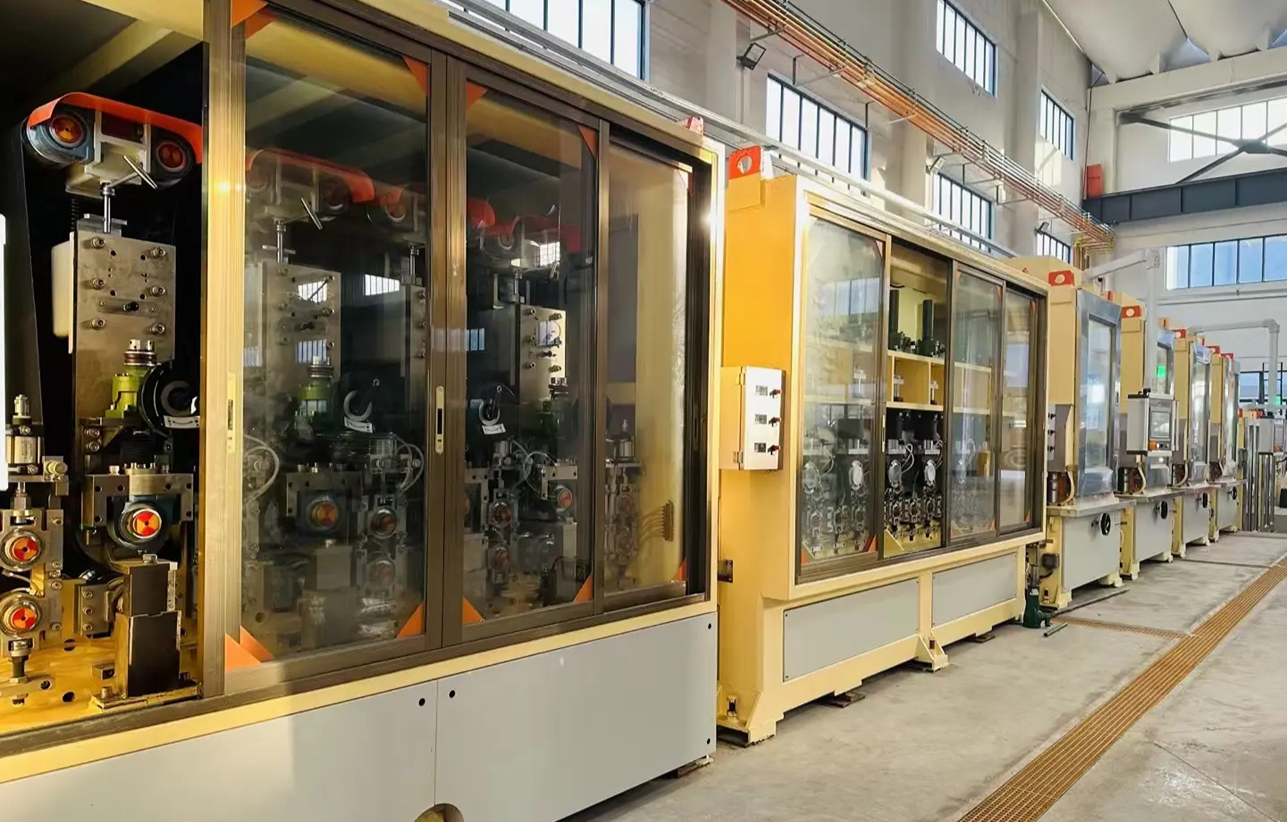
Stainless Steel Plate Rolling Line
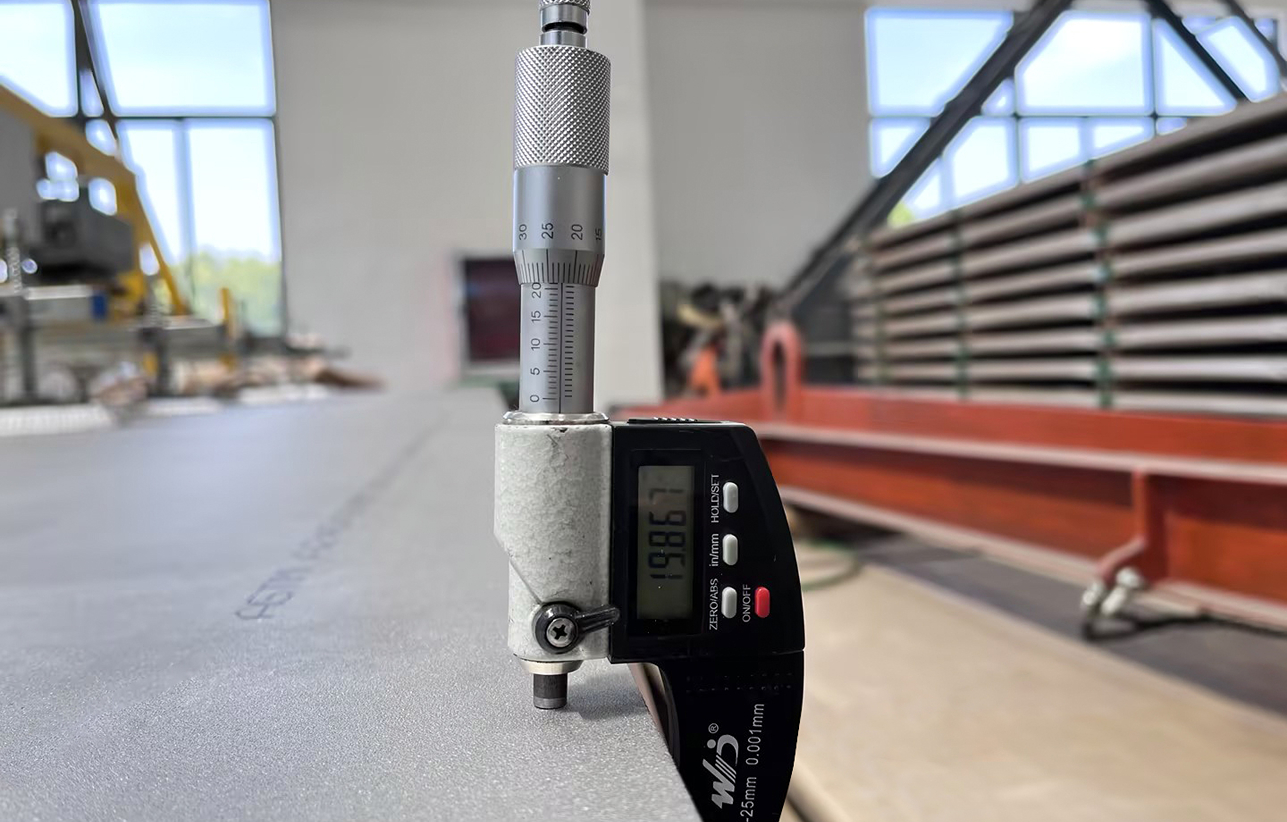
Precision Thickness Inspection of Stainless Steel Plate
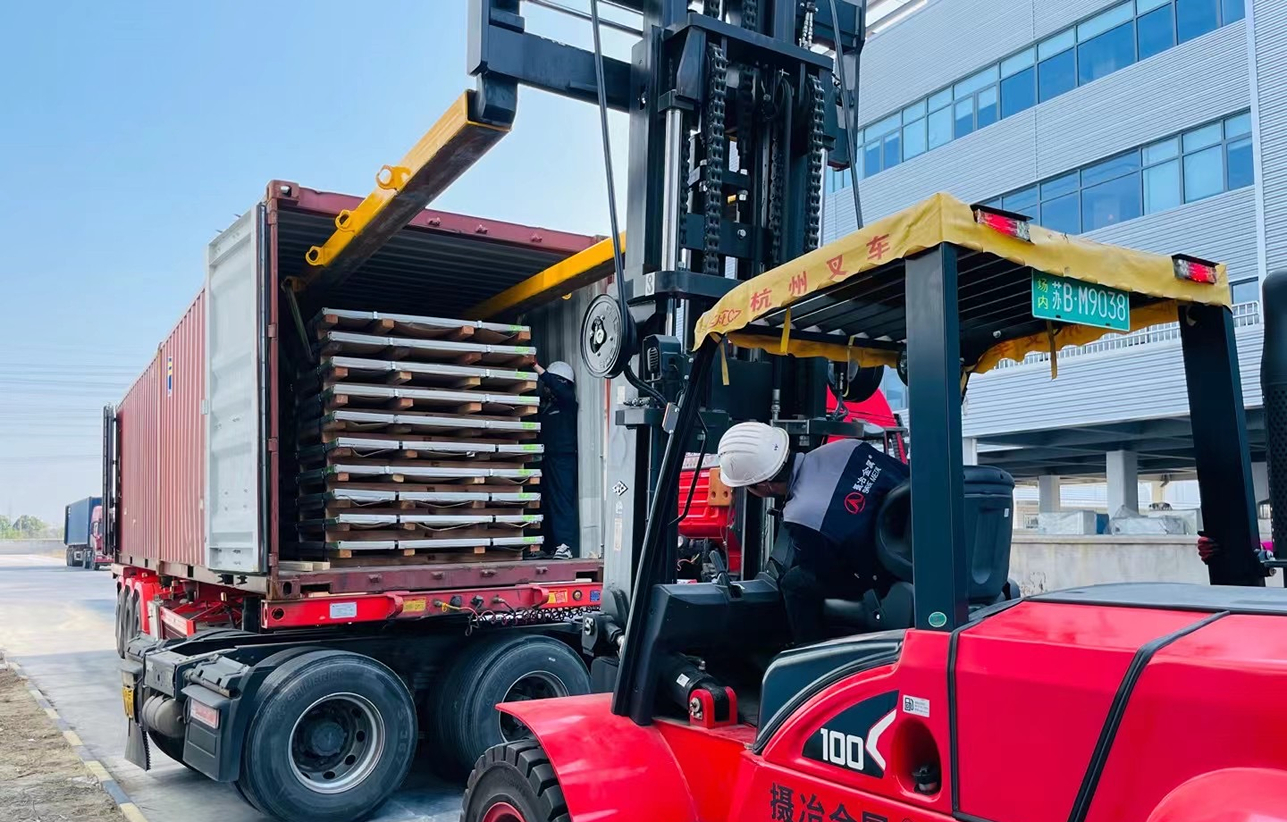
Forklift Loading Stainless Steel Plates for Shipment


SS 316 plate is the heavy flat product of the molybdenum-bearing austenitic grade, supplied hot rolled, pickled and annealed in the No.1 condition. Walmay stocks it from 3 mm to 100 mm thick, up to 2,500 mm wide and 12,000 mm long, to ASTM A240 and ASME SA240, dual certified 316/316L on most heats and cut to your drawing by plasma or waterjet. Where the material is thinner than about 4.75 mm and specified by surface finish rather than by mechanical properties, the cold rolled product on our 316 and 316L sheet page is the correct one.
SS is simply an abbreviation of stainless steel, so SS 316 and 316 stainless steel describe the same alloy. The designations you will see on drawings and certificates all point to it:
| Designation | System |
|---|---|
| SS 316 / Type 316 | Common trade and AISI usage |
| UNS S31600, UNS S31603 for the L grade | Unified Numbering System, used on US certificates |
| 1.4401, 1.4404 for the L grade | EN material number |
| X5CrNiMo17-12-2, X2CrNiMo17-12-2 | EN steel name |
| SUS 316, SUS 316L | JIS |
| ASTM A240 Gr 316 | The plate specification itself |
The alloy is 16 to 18 percent chromium, 10 to 14 percent nickel and 2 to 3 percent molybdenum. That molybdenum addition is what separates it from 304 and raises its pitting resistance equivalent number to about 25.
Weight is thickness in millimetres multiplied by 8.0 kilograms per square metre.
| Thickness | Weight per m2 | Weight of a 1,500x6,000 plate | Weight of a 2,000x6,000 plate |
|---|---|---|---|
| 3 mm | 24 kg | 216 kg | 288 kg |
| 5 mm | 40 kg | 360 kg | 480 kg |
| 6 mm | 48 kg | 432 kg | 576 kg |
| 8 mm | 64 kg | 576 kg | 768 kg |
| 10 mm | 80 kg | 720 kg | 960 kg |
| 12 mm | 96 kg | 864 kg | 1,152 kg |
| 16 mm | 128 kg | 1,152 kg | 1,536 kg |
| 20 mm | 160 kg | 1,440 kg | 1,920 kg |
| 25 mm | 200 kg | 1,800 kg | 2,400 kg |
| 30 mm | 240 kg | 2,160 kg | 2,880 kg |
| 40 mm | 320 kg | 2,880 kg | 3,840 kg |
| 50 mm | 400 kg | 3,600 kg | 4,800 kg |
For a cut part, multiply the finished area by the same figure and allow for kerf. Plates above about 2,500 kg need lifting arrangements confirmed before delivery, which is worth checking against your crane capacity at the quotation stage.

Plate is where this choice stops being academic. Below about 6 mm a welded 316 joint cools fast enough that chromium carbide precipitation is limited. In 10, 20 or 40 mm plate the heat-affected zone spends far longer in the 425 to 815 C sensitisation range, so a standard 316 weld can end up with chromium-depleted grain boundaries and fail by intergranular corrosion in the exact service the grade was chosen for.
Practical rule: order 316L for any welded plate fabrication that will not be solution annealed afterwards. Order 316 only where the section is unwelded, or where the higher yield strength is needed and a post-weld anneal is planned. Dual certified plate resolves both cases and is what we normally stock.
Hot rolled plate is normally bought to be cut, and cutting is where most of the cost sits.
| Method | Thickness range | Edge quality | Notes |
|---|---|---|---|
| Plasma | 3-60 mm | Slight bevel, small heat-affected zone | Fastest and most economical for profiles |
| Waterjet | 3-100 mm | Square, no heat input | Choose where the edge will be sealing or welded without dressing |
| Laser | 3-25 mm | Very clean, narrow kerf | Best for tight profiles in the thinner range |
| Sawing | Any | Square | Strips and blanks |
We also carry out drilling, bevelling for weld preparation, bending up to the capacity of the press, welding with 316L filler, and pickling and passivation as part of surface treatment. Full detail on our fabrication services page.


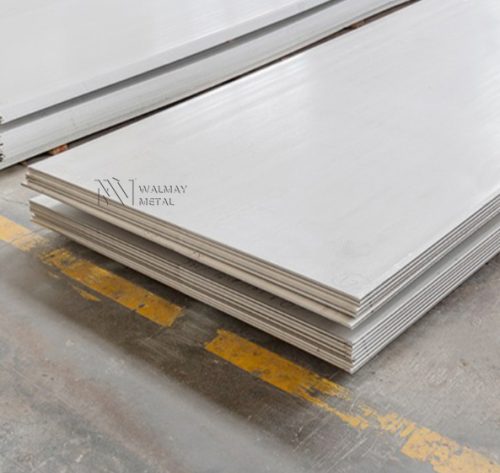

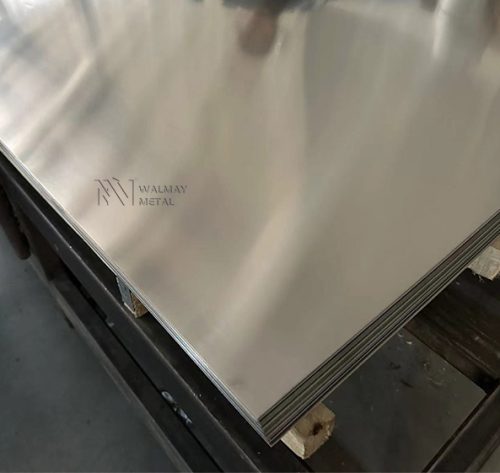
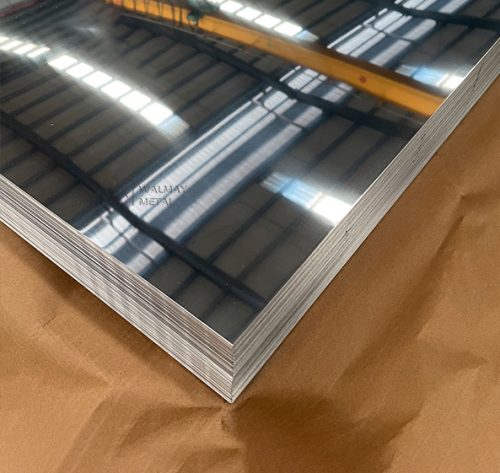
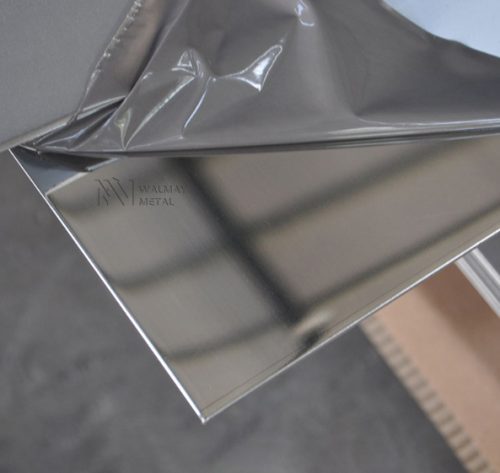
View Stainless Steel Plate & Sheet Supplier [CO:wp/v2/products/name]
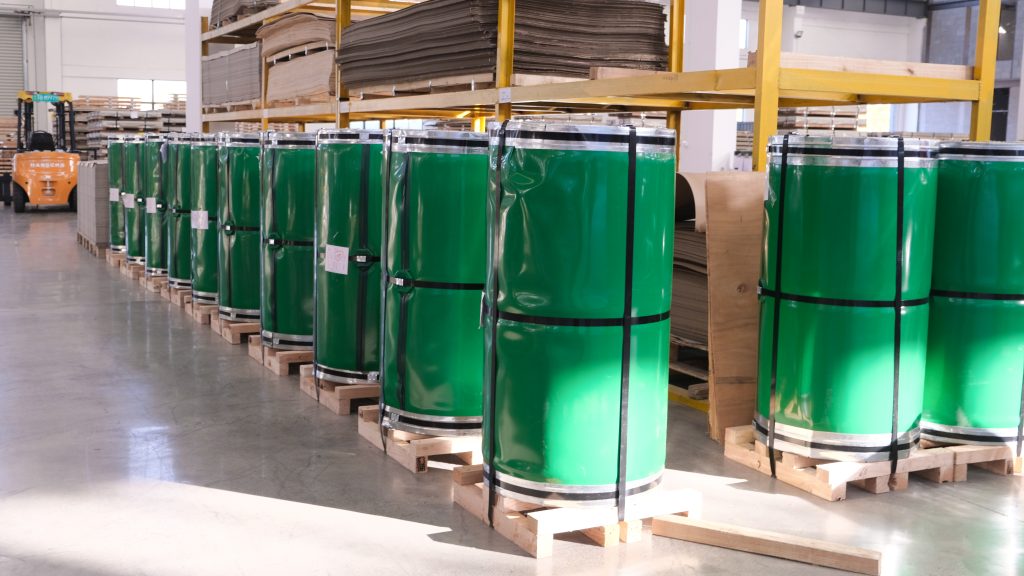
Walmay will help match the right stainless product form and specification for your application, confirm quantities and packing needs, and provide requested documents based on order requirements.
Loading form…