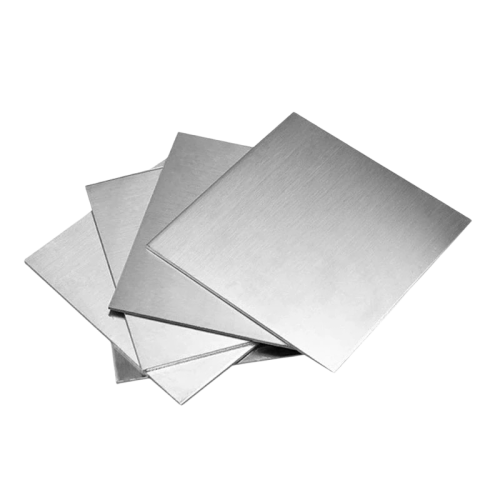
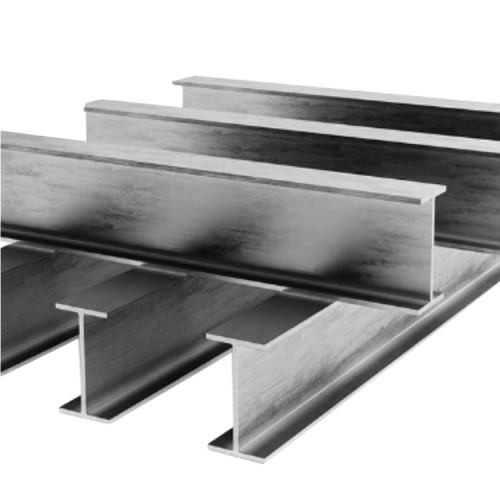
Food grade stainless steel sheets are the surfaces on which food and pharmaceutical products are made: process tables and worktops, tank and vessel walls, hopper linings, hygienic wall cladding, guarding and equipment panels. What makes a sheet food grade is not a single grade designation but a combination of two things, the alloy and the surface roughness, because a surface that cannot be cleaned to a verifiable standard fails an audit regardless of what it is made from. Walmay supplies 304, 304L, 316 and 316L sheet in BA, No.4 and electropolished finishes with the Ra value certified, cut to size, for facilities audited to 3-A, EHEDG, FDA and GMP requirements.

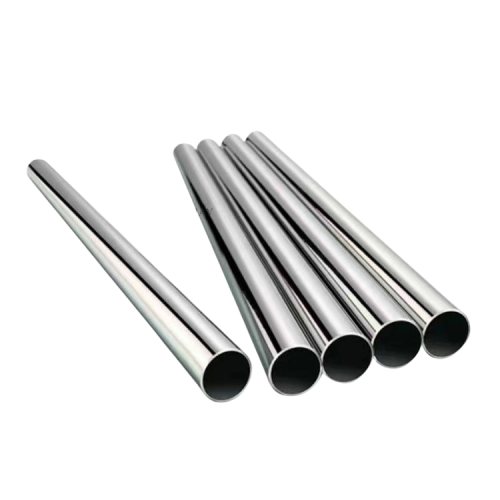
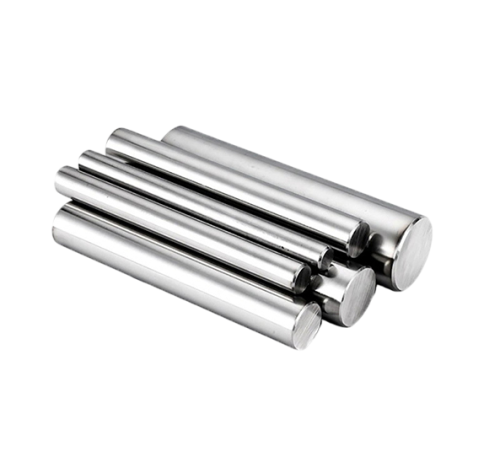
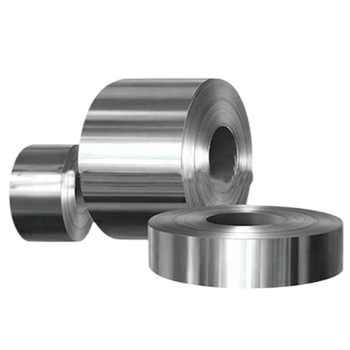
As a leading supplier and manufacturer, Walmay provides premium stainless steel plates, tubes, coils & bars—meeting the strict hygiene standards of food and pharmaceutical workshops worldwide.
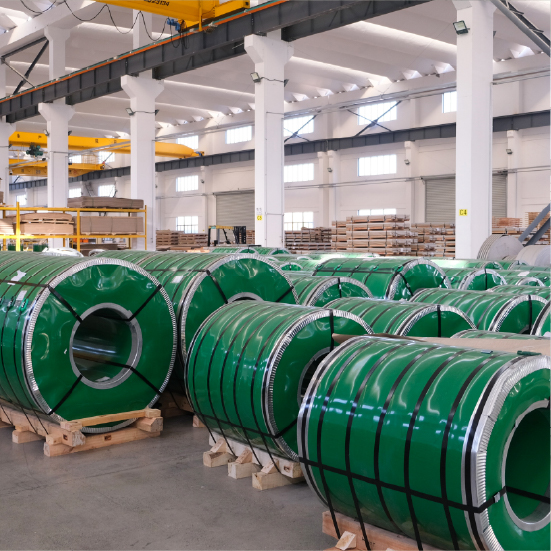
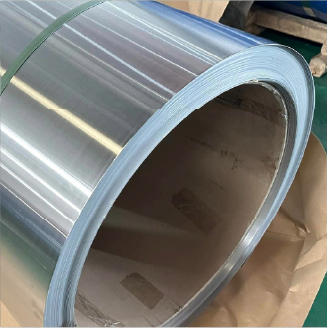
Food grade stainless steel sheets are the surfaces on which food and pharmaceutical products are made: process tables and worktops, tank and vessel walls, hopper linings, hygienic wall cladding, guarding and equipment panels. What makes a sheet food grade is not a single grade designation but a combination of two things, the alloy and the surface roughness, because a surface that cannot be cleaned to a verifiable standard fails an audit regardless of what it is made from. Walmay supplies 304, 304L, 316 and 316L sheet in BA, No.4 and electropolished finishes with the Ra value certified, cut to size, for facilities audited to 3-A, EHEDG, FDA and GMP requirements.
This is the point that causes most confusion at specification stage. No standard defines a grade named food grade stainless steel. What regulations and hygienic design standards require is that a product-contact surface be corrosion resistant in the intended service, non-toxic, non-absorbent, and smooth enough to be cleaned and inspected. In practice that resolves to a short list of grades and a roughness limit.
| Requirement | How it is satisfied |
|---|---|
| Corrosion resistance in service | 304 or 304L for most food contact, 316 or 316L where chlorides or aggressive cleaning are present |
| Non-toxic and inert | Austenitic stainless steels do not leach in food service and are accepted under FDA 21 CFR and EU 1935/2004 framework requirements |
| Cleanable surface | A stated maximum Ra, commonly 0.8 micrometres for 3-A and EHEDG product-contact surfaces |
| Crevice-free construction | Continuous welds ground and polished, radiused internal corners, no lap joints in product zones |
| Traceability | EN 10204 3.1 certificate with heat number, plus a surface finish report |
So a compliant specification reads, for example, 316L to ASTM A240, 2 mm, BA finish, Ra 0.5 micrometres maximum, with 3.1 certificate. A specification that says food grade stainless and nothing else has not specified anything that can be inspected.
| Area | Recommended grade | Why |
|---|---|---|
| Dry food handling, bakery, packaging | 304 / 304L | Adequate corrosion resistance, lowest cost of the compliant grades |
| Wet food processing, vegetable and meat | 304L, 316L where brine or chlorinated wash is used | Chlorides from product and cleaning attack 304 |
| Dairy and brewing | 304L for most surfaces, 316L for CIP and acid contact | Acid cleaning cycles and chloride sanitisers |
| Brine, pickling, sauces, high-salt products | 316L | Chloride content pits 304 |
| Pharmaceutical product contact | 316L, electropolished | GMP surface and cleaning validation requirements |
| WFI and clean steam systems | 316L, electropolished, low ferrite | High-purity water is aggressive to lower grades |
| Wall cladding and ceilings, non-contact | 304 | No product contact, so appearance and durability govern |
| Floor drains and gullies | 316L | Standing water, cleaning chemicals, mechanical wear |
| Fixings and fasteners in wet zones | 316L | Crevice geometry makes fasteners the weak point |
| High-chloride or acid CIP with heat | 2205 duplex or 904L | Above the limit of 316L |
The general rule that saves money and passes audits: use 304 or 304L in dry and non-contact areas, and 316L wherever chloride is present in the product, in the water, or in the cleaning regime. Specifying 316L across an entire facility is unnecessary; specifying 304 in a brine room will fail.
Surface roughness is what auditors measure, and it is the parameter most often left off a purchase order.
| Finish | How produced | Typical Ra | Hygienic status |
|---|---|---|---|
| 2B | Cold rolled, annealed, pickled, skin passed | 0.1-0.5 um | Acceptable for many product-contact surfaces if Ra is verified |
| 2D | Cold rolled, annealed, matte | 0.4-1.0 um | Usually too rough for product contact |
| BA | Bright annealed | 0.05-0.1 um | Excellent, meets 3-A and EHEDG comfortably |
| No.4 | Mechanically brushed, 150-180 grit | 0.2-0.5 um | Acceptable, and hides wear better than BA |
| No.4 fine, 240 grit | Brushed | 0.2-0.4 um | Preferred for visible product-contact surfaces |
| No.8 mirror | Polished and buffed | Under 0.05 um | Excellent, but shows every mark in service |
| Electropolished | Electrochemical removal after mechanical polishing | 0.1-0.4 um, with improved surface chemistry | The pharmaceutical standard |
The commonly cited thresholds are 0.8 micrometres Ra for 3-A Sanitary Standards and EHEDG product-contact surfaces, and stricter internal limits, often 0.4 micrometres or below, for pharmaceutical work. Note that Ra alone does not tell the whole story: a surface with the same Ra can have a different profile, and directional grain, as on a No.4 finish, drains and cleans differently from a non-directional one. This is why hygienic design standards specify crevice-free geometry and drainability as well as roughness.

Mechanical polishing leaves a deformed surface layer with embedded abrasive particles and smeared metal. Electropolishing reverses the plating process, removing metal electrochemically so that peaks dissolve faster than valleys. Three things improve:
For WFI, clean steam and product-contact pharmaceutical surfaces, electropolishing after fabrication is the normal requirement, and it is specified alongside a delta ferrite limit on welds, because ferrite etches at a different rate and shows as a visible line.
The grade and finish only survive if the fabrication respects them.
| Rule | Reason |
|---|---|
| Continuous welds in product zones, ground and polished flush | Stitch welds and lap joints create crevices that cannot be cleaned |
| Back-purge every weld with argon | Heat tint inside a pipe or tank is chromium depleted and will pit |
| Radius internal corners, minimum 6 mm and often 25 mm | Sharp corners cannot be reached by cleaning |
| Slope surfaces and pipework to drain | Standing water breeds biofilm and concentrates chloride |
| Stainless-only tooling and abrasives | Free iron from carbon steel tools rusts on the surface and contaminates product |
| Pickle and passivate after fabrication | Restores the passive film after welding and grinding |
| No exposed threads or blind holes in product zones | Uncleanable geometry |
| Specify weld filler to match, 308L on 304, 316L on 316L | A 308L bead on 316L has no molybdenum and pits first |
We perform cutting, levelling, bending, welding, polishing and surface treatment in house, with inspection and Ra reporting, described on our fabrication page. Our food processing guide works through grade, finish and hygiene together in more detail.
| Product | Typical use in the plant |
|---|---|
| 316L sheet and plate | Tank walls, worktops, hopper linings, product-contact panels |
| 304 sheet | Dry area surfaces, guarding, non-contact cladding |
| 316L pipe | Product, CIP and clean steam lines to A270 with Ra certified |
| 304 pipe and tube | Utilities, compressed air, heating and services |
| Square tube | Equipment frames, table legs, support structures |
| Round bar and hex bar | Shafts, machined fittings, hygienic fasteners |
| Flat bar and angle | Frames, brackets, edge trim, plinths |
| Brushed sheet | Visible non-contact panels and doors |
| 316 plate | Vessel shells, tubesheets, structural plate |
| Item | Detail |
|---|---|
| Minimum order | 1 tonne from stock |
| Lead time from stock | 7-12 days, plus 3-7 days for cutting and polishing |
| Certification | EN 10204 3.1 with heat number and full analysis |
| Surface documentation | Ra measurement report, finish designation, electropolishing certificate where applicable |
| Additional testing | PMI to confirm grade, delta ferrite on welds, dimensional report |
| Packing | PVC film on finished faces, interleaved paper, crated, labelled by zone |
| Incoterms | FOB, CIF, DAP |
Tell us the grade, thickness, finish, the maximum Ra your specification allows, and which standard you are audited against, and we will confirm what is achievable as rolled versus what needs polishing or electropolishing after fabrication.

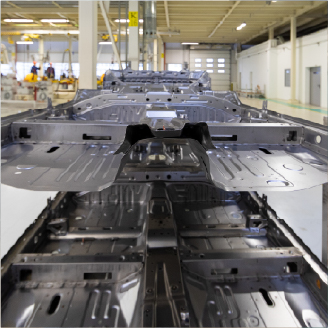

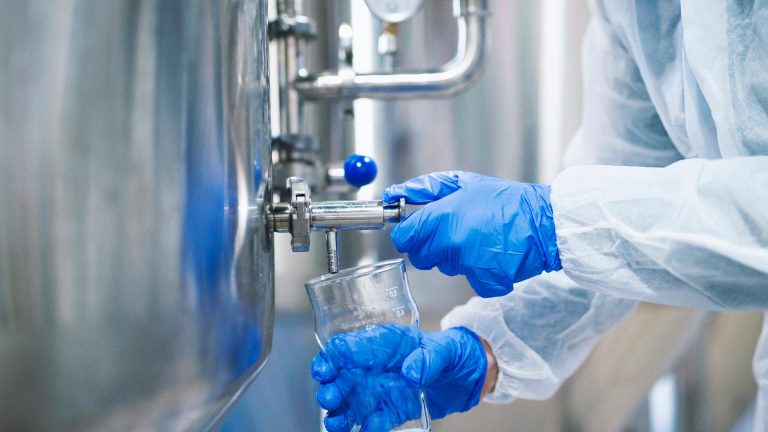
Supporting environments where biocompatibility, material stability, and process control are critical considerations.
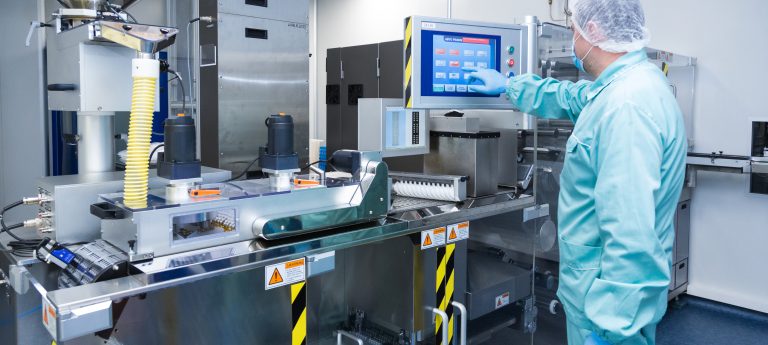
Materials selected for hospital areas that require frequent cleaning and long-term surface integrity.
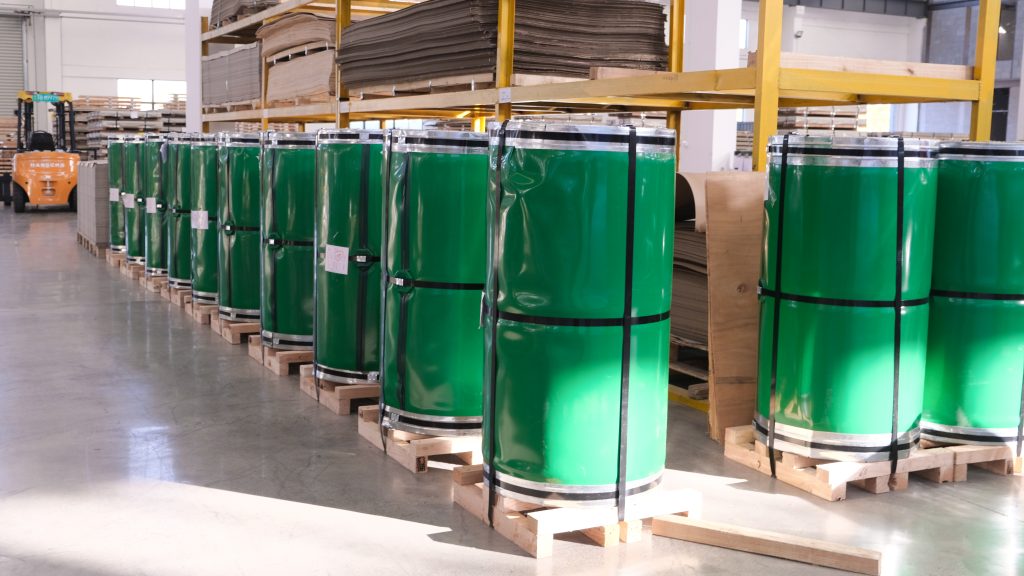
Material options commonly specified for devices requiring cleanability, dimensional consistency, and documentation support.
Walmay will help match the right stainless product form and specification for your application, confirm quantities and packing needs, and provide requested documents based on order requirements.
Loading form…
Walmay will help match the right stainless product form and specification for your application, confirm quantities and packing needs, and provide requested documents based on order requirements.
Loading form…